Yemen: realities and misconceptions

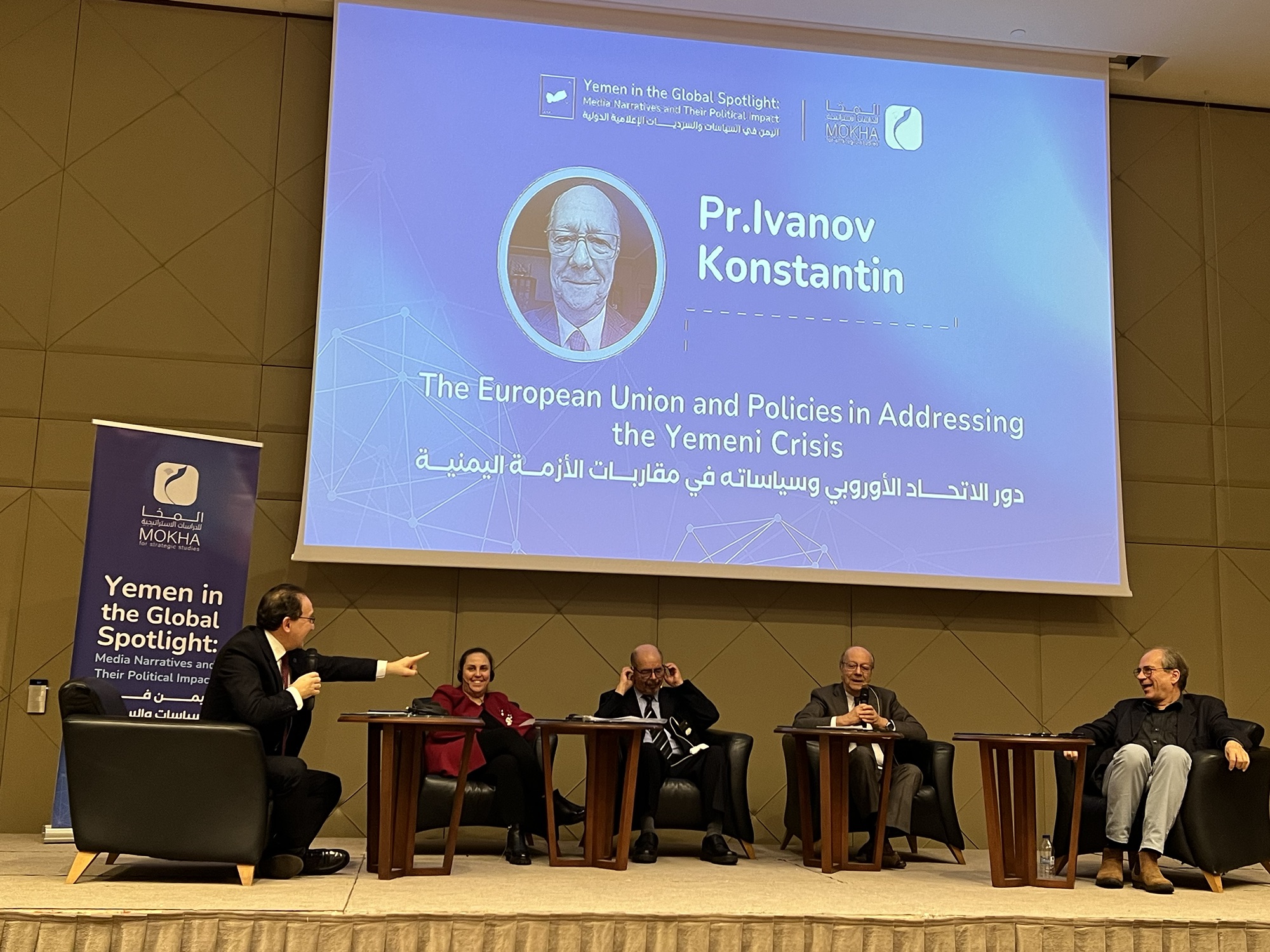
Istanbul 30.11.2024 At present the major focus of Russian media shifted from the ongoing internal conflict devastating the Yemeni society to the impact of the Houthi rebels storming the international stage with their political ultimatum to the Israeli government. The new profile of the Houthis as an ambitious, and reckless force on international stage, has defined their status as a world-class negative influencer. The violent attacks on the maritime transport in Red sea, and heavy economic toll on trade, especially for Europe, overshadowed the ongoing clashes between the Houthi rebels, and the Saudi coalitions, backed by Yemen’s internationally recognized government.
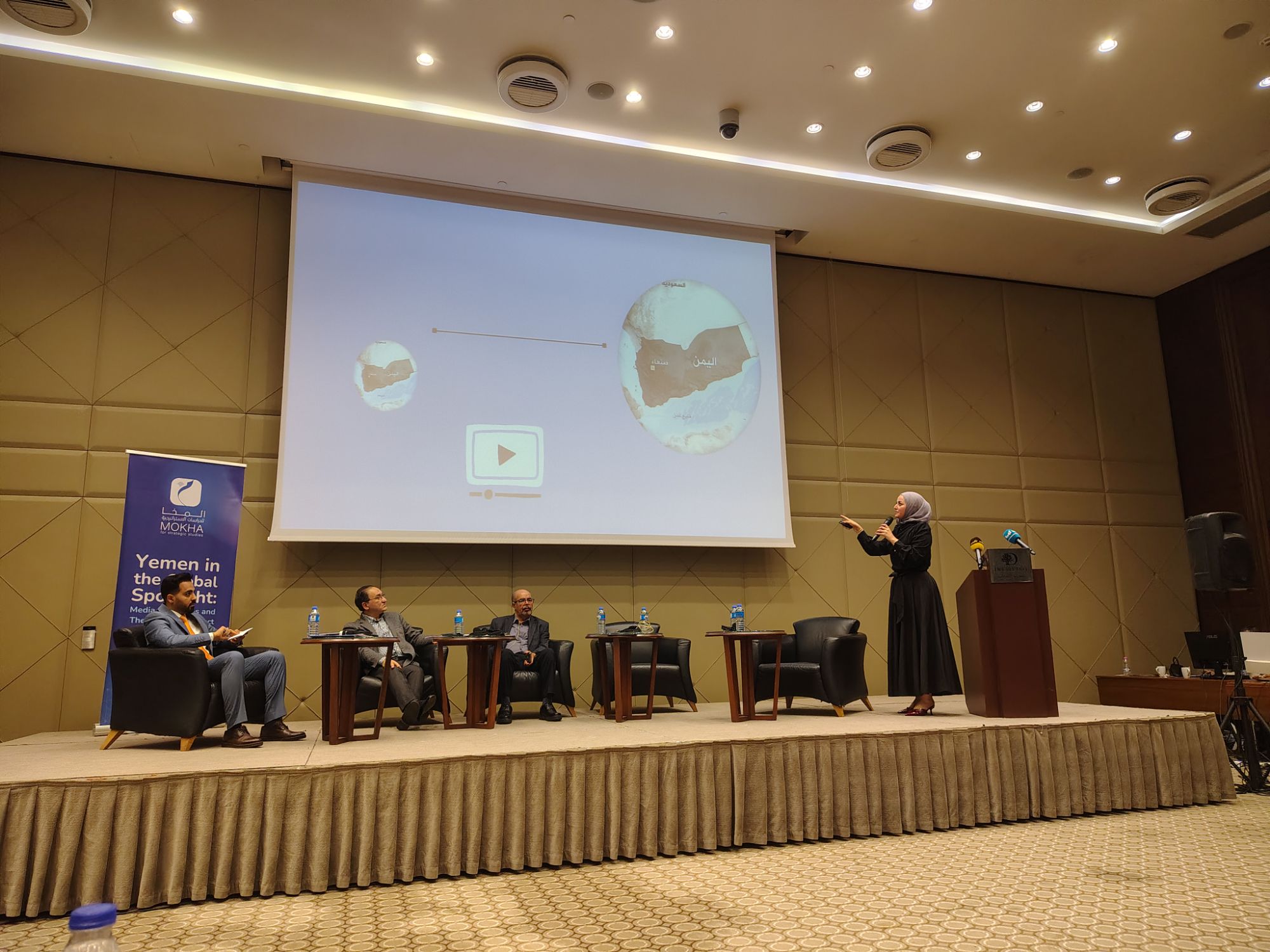
img_20241129_115835370_hdr6610784272087578829
Recent International Criminal Court arrest warrants to Israel Prime Minister Benjamin Netanyahu and former Defense Minister Yoav Gallant for war crimes and crimes against humanity in the Gaza Strip placed Houthis on the progressive side of the political avenue, which significantly complicated the search for the peace settlement within Yemen society.

Previously dialogue between the Houthis and Saudi Arabia, along with Iranian-Saudi rapprochement, has inspired hope for a negotiated solution for Yemen.

Unfortunately, the talks were marred by violence, and have not risen up to the expectations. Meanwhile the Southern Transitional Council (STC) has also renewed clams for an independent southern Yemeni state, casting a long shadow on peace prospects. Even more alarming became al-Qaeda Arabian Peninsula (AQAP) teaming with the Houthis. According to a report by UN experts, the two terrorist groups agreed to overlook their differences, and focus on weakening the Yemeni internationally recognized government.

These recent trends are reflected in Russian media, pointing to the Houthi movement as highly unpredictable, volatile, and unreliable force. Although it has gone through several stages both in structure and ideology, the only constant trend is its permanent fluidity, perceived as chronic instability, and dangerous mutations mentioned above, transforming Houthis into a grouping where the ideology, and subsequent strategies are replaced by political adventurism, eroding to terrorism. Subsequently the beginning of this year the U.S. State Department had no other choice than accept the new realities, and announced Ansarallah, commonly referred to as the Houthis, as a “Specially Designated Global Terrorist group”.

Following the suit, Russian media much more reserved, predicting that the movement will continue mutations, adapting to the changing environment, which makes impossible to project the ultimate result in ideological and political terms. Containing elements of a national-patriotic, religious, and political movement, Houthis accumulated a considerable weight in the eyes of the followers, referring in each specific context to a particular fragment of the movement, sensitive to a particular aspect.

At the same time, Russian government has managed till recently to maintain dialogue with all the main participants in the Yemeni conflict. Diplomats regularly engage in discussions with representatives of the internationally recognized Presidential Governance Council (PGC), the separatist Southern Transitional Council (STC), and the former ruling General People’s Congress (GPC) party, which has now entered into a coalition with the Houthis.
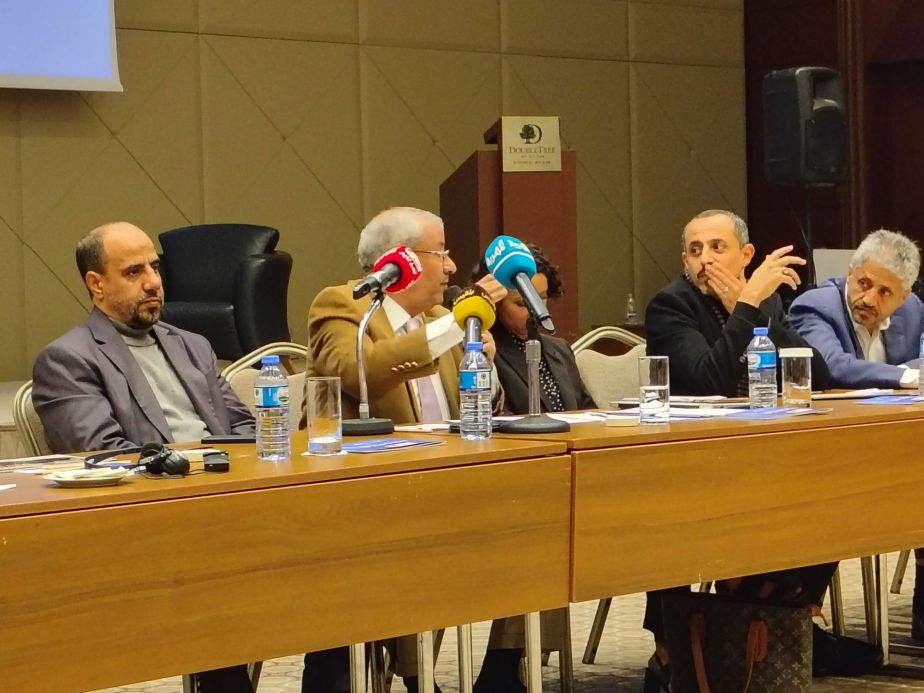
img_1384

Although the Wall Street Journal (WSJ) reported that Russia transmitted satellite data via Iran to Yemen’s Houthis, which they used to attack ships in the Red Sea, they were citing anonymous sources, and did not offer any tangible proof. A Kremlin spokesperson said he was not familiar with the contents of the publication, and declined any comment. However, according to a journalistic investigation conducted by the WSJ editorial board, the Russian authorities were thus helping Yemen’s Houthis to carry out more accurate strikes on Western ships. The experts explained the episodes as the symmetric answer to the U.S. and the allies for assisting the Ukrainian troops with the satellite information for the relevant attacks.
img_1379

For a long time, Russia tried to take an equidistant position in relations with the participants in the Yemeni conflict. Nevertheless Russian military advisers are engaged in the Houthi-controlled capital Sanaa, and Russian diplomats do not rule out the future shipments of weapons to the rebels. However till now Russia is reluctant to transfer missiles and other weapons to the Houthis, preferring to maintain functional relations with Saudi Arabia, CNN reports. However by no means the Russian government position towards Houthis is altruistic. Just a few days before the full-scale invasion to Ukraine, the Houthis issued the “recognition of Donetsk and Luhansk as independent Republics.”
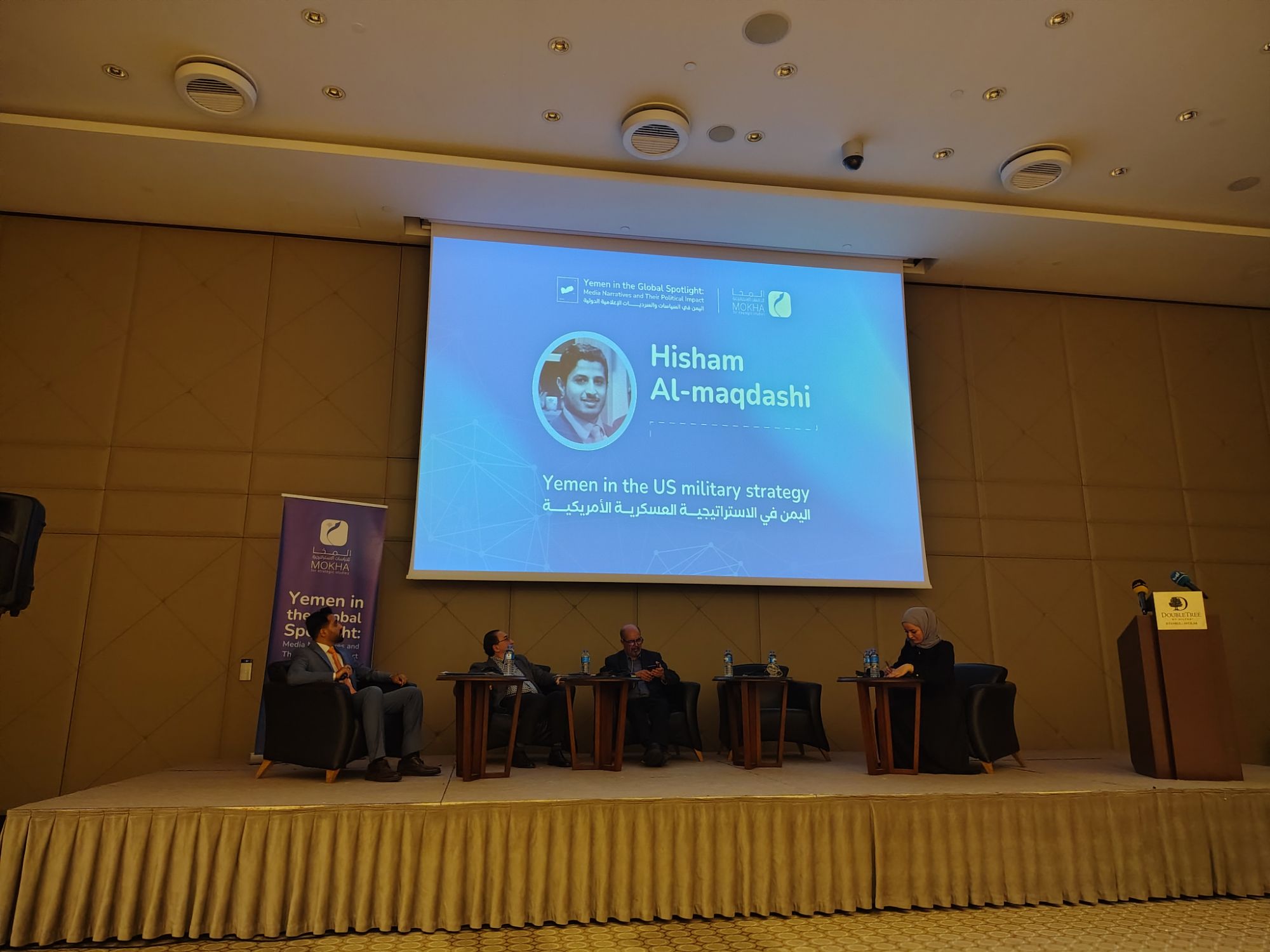
img_20241129_114352664_hdr1710045161123171694

Meanwhile, the humanitarian crisis has aggravated: 21.6 million people need aid, including 11 million children, and more than 4.5 million are displaced. Surprisingly, instead of the care for the vital needs of the population, the Houthi authorities have drastically expanded restrictions against women’s movement in their territories since taking control of Sanaa, and much of northern Yemen in the last nine years. The same time Yemeni government forces and STC have restricted women’s movement in the south.

Subsequently the sharp criticism of Human rights organizations has been focused on lack of efforts from the behalf of the warring parties to insure the access of population to the basic necessities, as food, and clean water. Instead they have been raising barriers to women’s freedom of movement, which aggravated their dire situation further. These restrictions have a highly negative impact on women’s lives and impedes their ability to receive health care, pay family visits. It also have a negative effect on women’s education, and employment. Although legally Yemen women are not prohibited to work, the multiple impediments, including the recent ones, do not allow to implement the formally existing opportunities into practice. The human rights defenders lament that the Constitutional rights of the Yemeni women have been not implemented in spite of being clearly articulated in the unification Constitution in Articles 40, and 41: “Every citizen has the right to participate in the political, economic, social and cultural life of the country.”

The UN reporters are increasingly concerned about the situation of Yemeni women, and girls. Women and girls are 49% of the 18.2 million people in need of humanitarian assistance, and face food insecurity, water shortages, disease, lack of access to basic life-saving services, such as health care and education, poverty and deprivation of economic opportunities, and systematic exclusion and suppression of their rights.

Withing the population of 6.3 million Yemeni women and girls are at heightened risk of gender-based violence, including domestic and sexual violence, and many have been forced to resort to extreme coping mechanisms, including forced and early marriage, with over 30% of girls married by the age of 18. Women and girls from minorities and marginalized groups, including the Muhamasheen and Baha’i, are further disproportionately impacted. Muhamasheen women and girls are increasingly subjected to targeted attacks, including sexual violence, torture, and exploitation, the UN experts say.

Women’s human rights, particularly their freedom of movement, are heavily restricted by all the warring parties in Yemen. The imposition of a mahram, dress codes, and restrictions on freedom of expression, especially in Houthi-controlled areas, impede women’s ability to develop, to learn, to work, including in the humanitarian sector, to access healthcare, and to participate in public life. These policies are clearly not conducive to public good, as the UN experts insist, indicating to scientific research results indicating that the women’s economic empowerment has a healing effect on well-being in communities locally, and for the society in general. Empowering women, and promoting gender equality is crucial to enhance economic development and achieving more harmonious societies, which are crucial elements in preventing armed conflicts.

The increasing efforts to fortify conflict prevention by engaging women in various aspects of society life, including the positions of power, are reflected in the passage of United Nations Security Council Resolution 1325 in October 2000, which “urges Member States to ensure increased representation of women at all decision-making levels in national, regional and international institutions and mechanisms for the prevention, management, and resolution of conflict.”

The mentioned above leads to conclusion that the entire potential of Yemeni women, as a powerful force for the conflict resolution, and harmonization of the society with a view on development, and prosperity, has not been released yet. Since 2006, Yemen ranks as the lowest in the world for gender equality; maintaining the 142th place of 142 countries in the Global Gender Gap report.
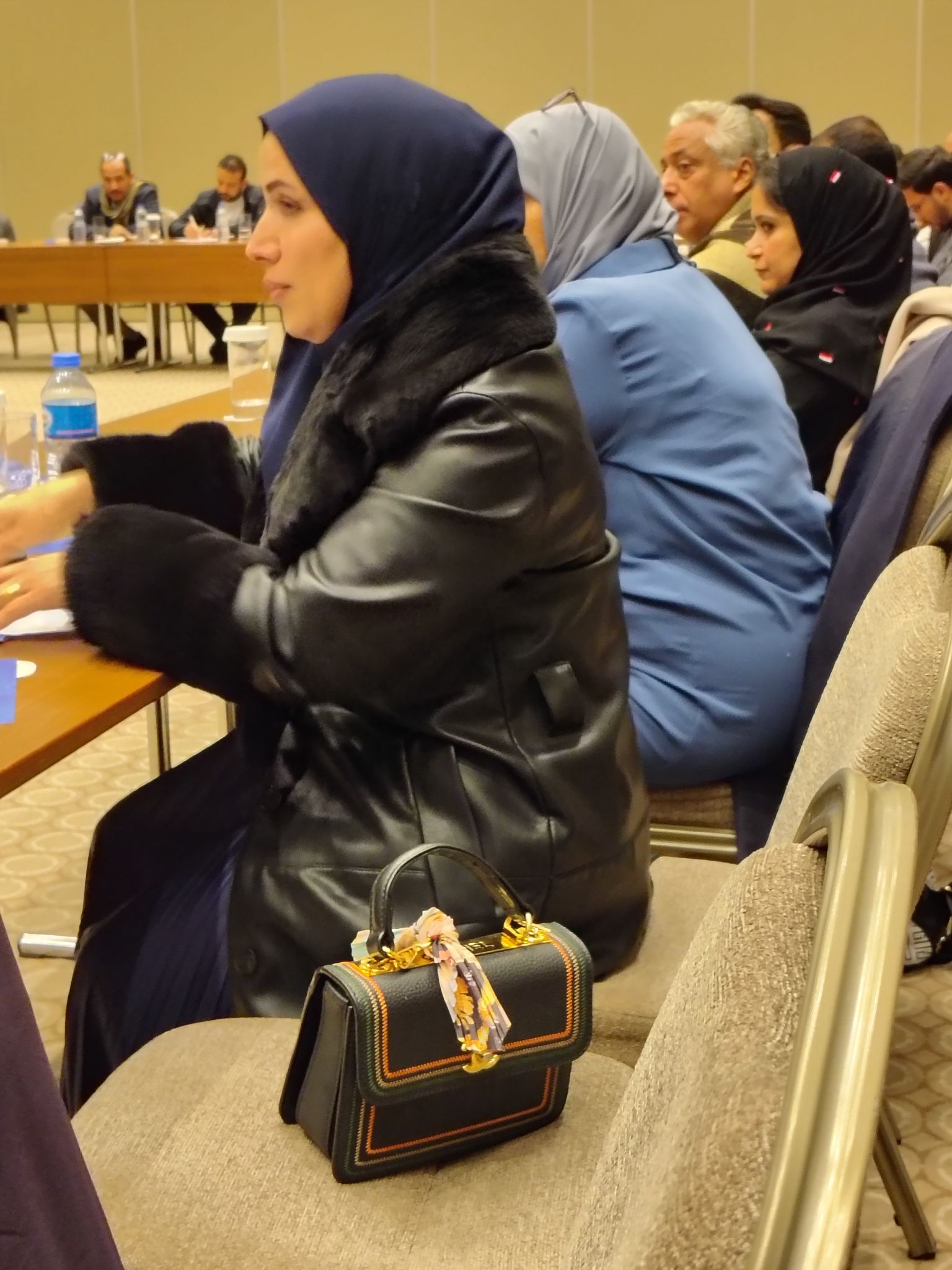
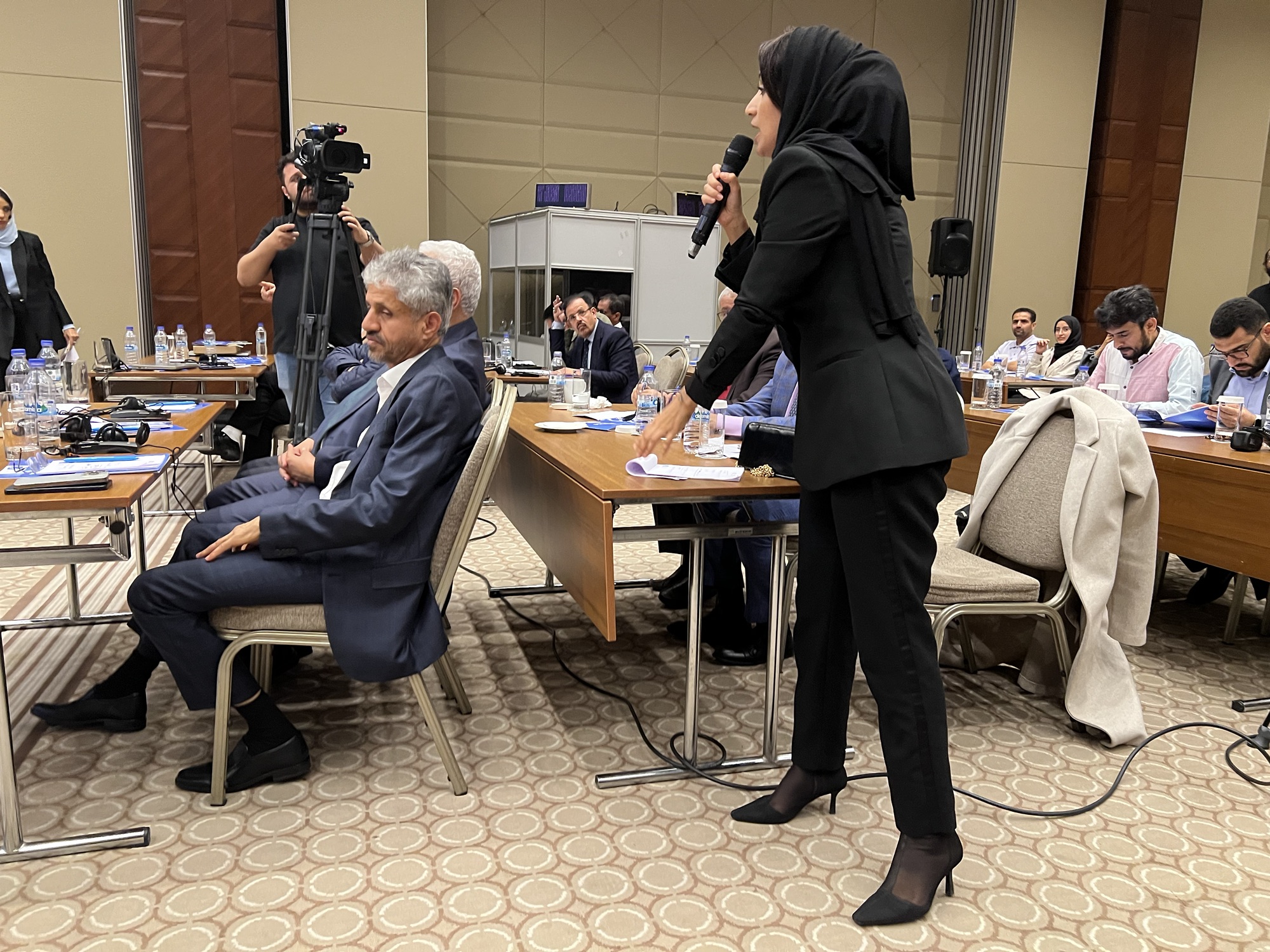
img_20241129_150948714_hdr1612079489981499157

Nowadays when the risk of renewed active hostilities in Yemen is high, especially taking into consideration the Houthis’ ravaging in the Red Sea, attacking the merchant vessels. The strikes caused 300% raise in price of shipments, and subsequent efforts of the U.S., the UK, and Israel to restore the safety of navigation by military means. This tough response further aggravated the situation, causing collateral damage to civilians, already exhausted by the long, and cruel civil war. This multifaceted tumultuous situation might influence a decision for a new campaign of the Houthis to the South in attempt to take the territories under control.
Within this dangerous prospect the efforts for peaceful resolution should be doubled, including engagement of all interested members of the society, especially those who were unjustly overlooked as millions of Yemeni women.
Iran: Mogherini as ‘guardian’ of Obama legacy

Even after 20 slain protesters in Iran, the European Union top diplomat Federica Mogherini did not break her silence. After days of growing unrest, the European External Actions Service (EEAS) press person tweeted a carefully worded neutral line about monitoring the situation, and an ambivalent “being in touch” with the Iranian authorities. What about? Does the European diplomacy express “concerns” about killings, or demands to “restrain from violence”?

Where is the usual ‘eloquence’ of the 3 611 strong European diplomacy body?

In contrast to many other cases the European diplomats do not write the appropriate: “the EU strongly condemns the continued systematic, widespread and gross violations and abuses of human rights” in Iran. Neither does EU diplomacy express support to Iranian people, raising in discontent with the oppressive regime of Ayatollahs… There is no enthusiasm even slightly reminiscent of embracing Arab Spring or Maidan revolution in Ukraine. The neutrality of the EU diplomacy in case of the cause of Iranian people  is close to autism.

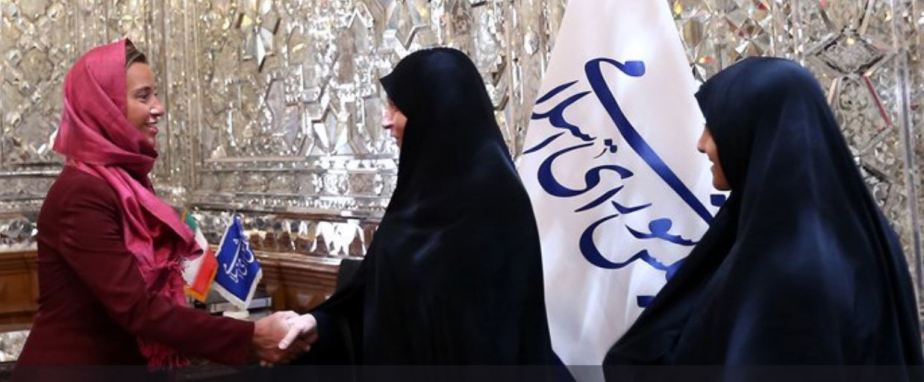
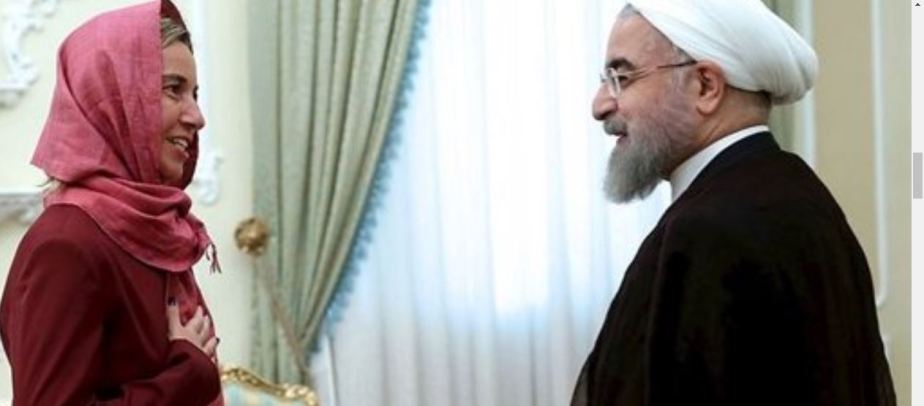
However a glance to into Mogherini’s record explains it all. An adept of political Islam, claiming it belongs to Europe, EU High Representative stretched her efforts to build an amiable dialogue with the Ayatollahs to an extend visible to everyone – the wearing of veil, a religious symbol of submission of a woman to a man, appalling to all those believing in gender equality, enshrined among top European values.

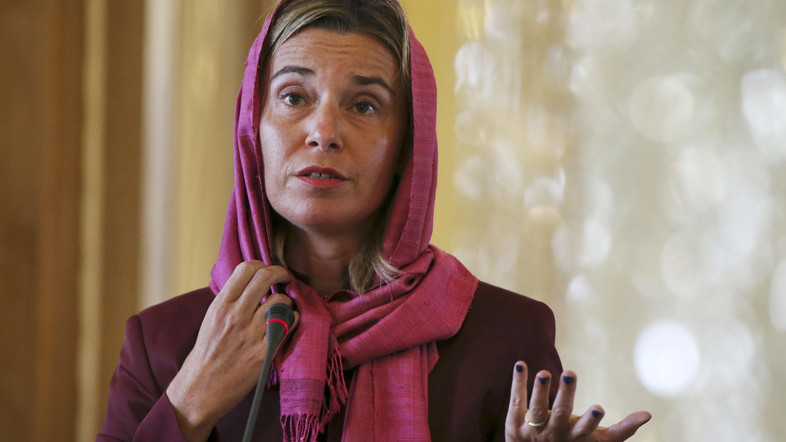
Mogherini pink veil

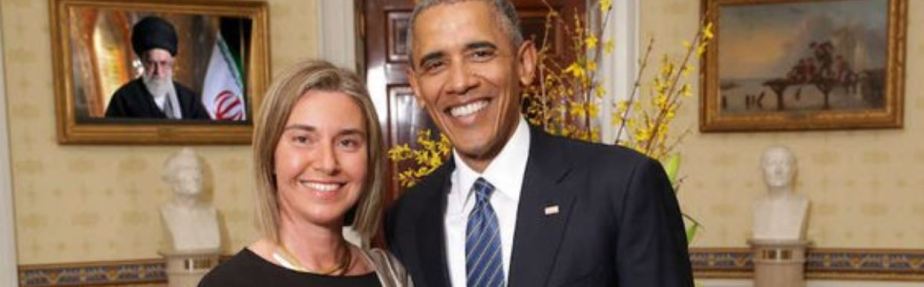
The camouflage or masquerade, as some insisted,  pleasing  of the very same clerics who defend Medieval executions by lapidation, was aimed at reaching the notorious multilateral nuclear deal with Iran, the one Mogherini defends with ‘teeth and claws’ as an ‘achievement’ of the EU diplomacy she leads; and the highlight of the legacy of Obama administration, Obama perceived as a political ally of the EU, on contrary to Trump, regarded as a foe of Brussels bureaucracy.

Image: social media.

Mogherni Obama

The nuclear deal, promoted by the EU,  giving oxygen to ayatollahs by removing international sanctions, has been widely criticised  during the presidential election campaign in 2016 by Donald Trump pledged to throw it out.

The ongoing protests of Iranian people threaten the powers of Iranian clerics, thus partners of  the nuclear deal Mogherini protects: the cause of freedom and democracy of Iranians sacrificed in preservation of a political legacy. The choice of dead silence of Mogherini confirming the EU diplomacy is a self-serving politicised clan defending their own interests at cost of promotion of  freedom and democracy worldwide. Meanwhile far away from people and their needs, EU de facto minister of foreign affairs Mogherini enjoys visit to Cuba to her Communist friends. Finale of the scene! 


Diplomacy of submission


sweden

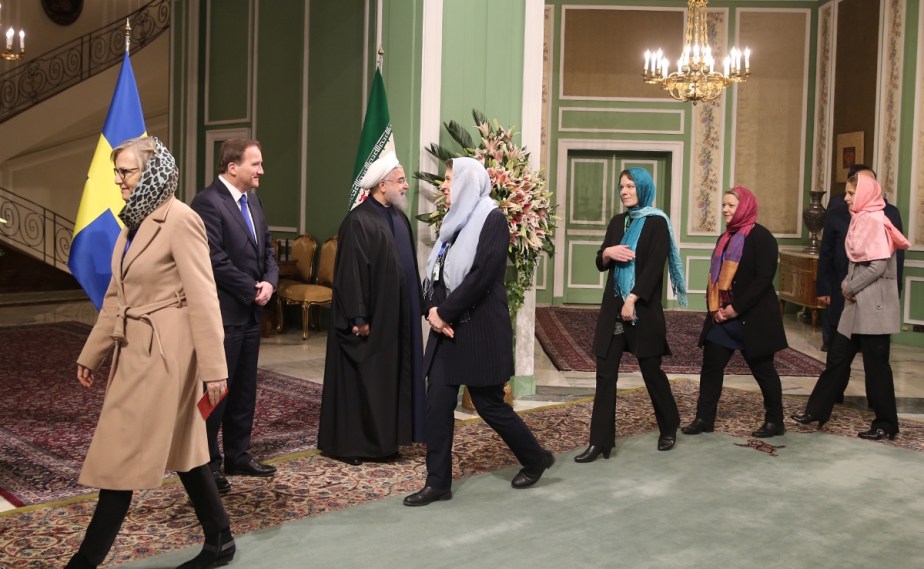
Bending heads with veils on their heads Swedish ministers pass by triumphant Rouhani, without shaking hands. It is not a Hollywood fiction – in an attempt to strike lucrative deals the Swedish feminist government sacrificed their convictions, and accepted the religious outfits and submissive conduct. A great victory of The Prophet adepts over the  women’s rights, the gender equality, and overall promotion of the secular modern standards, – everything Europeans are flaunting while projecting their image onto bigger world.


There was no battle, just straightforward betrayal of the convictions for ’30 pieces of silver’. However the battle would be misplaced: the practicing open door policy Socialists in Sweden ensured the influx of Muslim population soon overwhelming the kind aboriginals of  the ‘humanitarian superpower’. Over last decade around half a million of asylum-seekers arrived to Sweden, 163 000 last year. This mass migration led not only to standing ovation of the international community, but to an explosions of violent crimes and even gang wars in Swedish cities, no-go zones, and one-third of women concerned by sexual assaults. Many say they prefer to give up going out in the evenings to avoid the risks.
The steep rise of criminality, especially harming women’s freedoms and safety, brought with mass migration does not shake Sweden’s leftist establishment and devoted media unjustified belief in multiculturalism as the model of a perfect society. The left continues to insist on large-scale immigration from the poorest, most backward places on earth, where women are lapidated  or vitriolaged, where submission is a survival, and an integral veil is a must. Alas in Sweden as elsewhere between two standards it is the lowest that takes over,  reflecting in degrading situation with the women’s rights in growing no-go zones in once calm Swedish cities.  Those aborigines who disagree with the Socialist’s policy risk being labeled racist, fascist, and even Nazi!
The current migration trends lead to stable degradation of once a wealthiest and safest countries in the EU to the Thrid World place ranks. The UN report Human Development Index (HDI) predicts a significant decrease in Swedish prosperity, unlike their Nordic neighbors, who had no ambition to become ‘humanitarian superpowers’.
In 2010 Sweden had the 15th place in the HDI rankings but according to UN forecasts, it will be at #45 by 2030: while intensely importing population of the Thrid World the country will become part of it due to efforts of the left. By 2030 40% of Swedes will be Muslims.
Subsequently,  it is not a masquerade of Swedish female ministers, compromising their convictions for trade benefits with Islamic Republic of Iran, but a model of nearest future for this compassionate European country and its womanhood,  victims to the wining  Muslim trend.

Mogherini in US: ‘mission impossible’


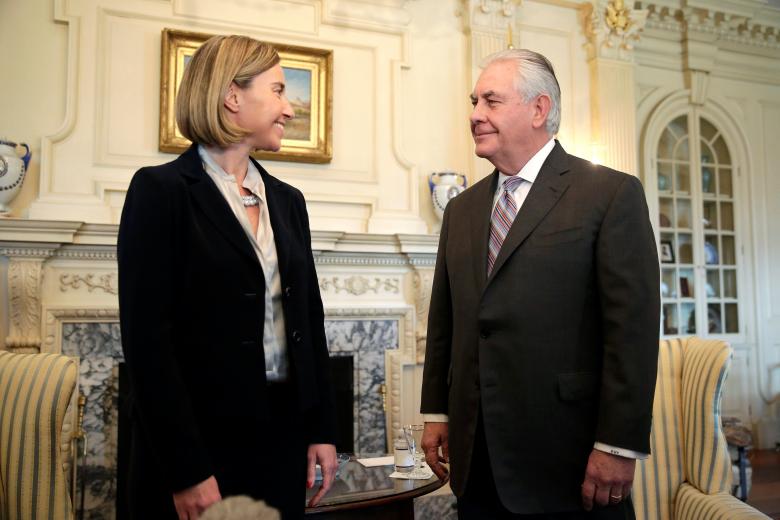
U.S. Secretary of State Rex Tillerson meets with European Union High Representative for Foreign Affairs Federica Mogherini at the State Department in Washington


Difficult to imagine less suitable personality to represent nowadays the EU diplomacy in the US, than an ardent promoter of political Islam in Europe, an Italian Socialist – Federica Mogherini, with both Socialism and Islam living winter in the EU.

However the gravity of the situation is beyond personal views and Mogherini’s political convictions: the whole disposition of the foreign policy in the EU makes her visit pretty useless a priori  as a result of an exaggerated loyalty to President Obama, and the US Democrats, the EU has mixed into the US presidential campaign supporting #Hillary, and undermining #Trump, demonstrating an astonishing myopia of the EU diplomacy, unable to anticipate the responsibly to work with any elected by Americans president.
Alas, after the US presidential elections, the EU diplomacy appeared not only to be myopic, but having as much flexibility as a gout patient, struck by multiple arthritis poor losers the EU protagonists continued opposition against President Trump, some as a policy, the others as a credo.
The leader of the European Parliament’s Socialists and Democrats, Gianni Pittella spit oil on fire accusing President Trump of manipulating the UK as a ‘Trojan horse’ to destroy the EU from within. The UK closeness with the US new President is ‘endangering worldwide democracy’,  he assumed, in an interview to anti-Trump TV news channel.
The EU Socialists were not in solitude to continuing the self-imposed ‘holy war’ against the US new administration – the appointed in an obscure procedure Pope Curia fume style, the president of the European Council Donald Trump threw his glove, publishing an open letter, naming President Trump among ‘threats’ to the EU unity. Although odd for a conservative liberal, the personal views of Tusk were also circulated in the world media, downgrading already hostile mood of the ‘Trump-era’ EU-US relations.
The head of the European Commission,  Jean-Claude Juncker did not stay aside, adding his share to ‘anti-Trump’ rhetoric, blaming him ‘populism’, and similarities with European raising nationals, very much appreciated by latest, already seeing inspiration in Trump’s anti-terroristic legislation.
So far the only head of the EU institutions, who showed a diplomatic attitude to the EU-US relations was the new Chair of the European Parliament, a compatriot of Mogherini – Antonio Tajani from the centre-right, although his moderate attitude can be explained by his rise after the US elections. Tajani restrained from confrontational remarks, explaining that in his position he will express the views of the EP as a collective body, but not of his own. A reasonable approach, but not a panacea, as there hardly any ‘collective’ views in the EU in foreign policy.
Within a growing schism among member states on all the major issues: Russia, Syria, Libya, Iran, Palestine – there is no one single big dossier evoking genuine unanimity.
Mogherini ‘sympathy’ visit to Tillerson, with no results and no perspectives, no common grounds and no common interests, reveals the naked truth of the profound crisis of the EU, reflected in the illusionary errands of its top diplomat. However one conclusion of this visit is definite: in gambling with the US elections, the EU lost it political capital, and Brussels, as de facto capital of the EU lost, as consequence,  its significance as the world’s diplomacy stage.


Published in @BrussselsDiplomatic

USA: Tillerson received Mogherini

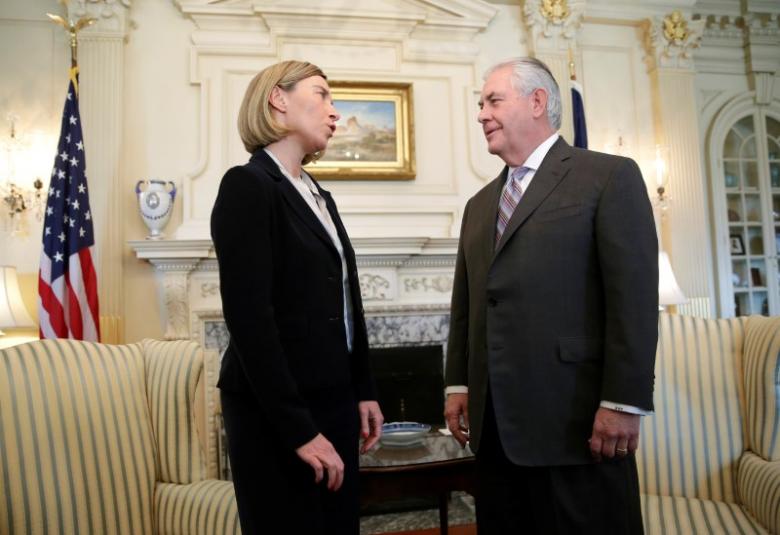
U.S. Secretary of State Rex Tillerson meets with European Union High Representative for Foreign Affairs Federica Mogherini at the State Department in Washington

The EU top diplomat  Federica Mogherini had her first meeting with new U.S. Secretary of State, Rex Tillerson on Thrusday 9.02.2017. discussing Transatlantic relations, the common challenge of countering terrorism, the ongoing work to strengthen European Defence, relations with Russia, the Iran nuclear deal and the main crises from Ukraine to Syria.

“I was pleased to meet Secretary Tillerson. We had an open exchange on many dossiers we are dealing with. The European Union and the United States have a longstanding relationship and we will work to bring it forward on the basis of our principles and our interests. There are many files on which the EU and the US have an interest to closely cooperate,” Mogherini said.

She underlined the mutual interest to build on the longstanding cooperation between the European Union and the United States on the main international issues.

They agreed to continue working together and meet again soon. Mogherini has invited Secretary of State Tillerson to address the EU foreign affairs council in Brussels at his earliest convenience.

Later in the day, she will also meet White House Advisor, Jared Kushner, and U.S. National Security Advisor, Michael Flynn.

Iran nuclear deal in calamity

Federica Mogherini

The Joint Commission of the Joint Comprehensive Plan of Action (JCPOA), composed by the E3/EU+3 and Iran, will convene on 10 January in Vienna. The meeting will review the implementation of the agreement and discuss the issues raised in the letter Foreign Minister Zarif addressed on 16 December to the High Representative, Federica Mogherini, as coordinator of the Joint Commission. The Joint Commission will be preceded by a meeting of the sanctions working group, – according to the European External Action Service (EEAS) announcement.

Many experts relate the interest in the upcoming assessment of the Iranian nuclear deal with the recent statements of the upcoming US administration, indicating it will attempt to abandon the  multilateral agreement and reinforce the US nuclear capabilities.

Communicating via Twitter, the president-elect Donald Trump declared his intention to “expand” US nuclear arsenal.

A number of previously classified documents were published on the site of the International Atomic energy agency (IAEA) as a gesture of increasing transparency necessary to convince general public in validity of the agreement. The move came after a wave of criticism of the agreement by the USA Republican congressmen.

The agreement allows Iran to  possess only low-enriched uranium, limited to an amount inferior to 300 kilograms at any moment in time.