Turkey in EURONEWS: qui prodest?

Brussels, 06.11.2020 Anna van Densky OPINION The strangling of Freedom of speech policy of increasingly authoritarian Turkey at home, in the European Union and across globe, preventing 400 million audience of the EURONEWS to receive an objective coverage of the events concerning Ankara actions, is paradoxically rooted in the EU public funds being abused by Turkish government and used for the purpose, opposite to its original concept.
Unfortunately, the European Commission continues to subsidise EURONEWS TV Channel in spite of the fact that Turkey is in all structures, aggressively opposing and blocking the adequate news coverage.

Even previously, in the 2019 report by the European Court of Auditors (ECA) has underlined that EURONEWS is “not a public service broadcaster in any member state”, and analysing a total of €122M of funding for the channel from 2014-2018, concluded that the Commission “does not have a system to verify whether EURONEWS is achieving the objectives agreed in the partnership agreements.”
Today the European Commission has confirmed the continuation of subsidising Euronews TV, regardless Ankara opposition of freedom of speech – core value of the EU, and the fact of incarceration of more than 200 Turkish journalists.
Apparently, following the answer of the European Commission spokesperson they had no mechanism foreseen to freeze the payments.

Needless to say, that being in EURONEWS editorial Turkish broadcaster TRT uses their right to veto all the unflattering information about their country, preventing the global audiences to access to the information of tremendous significance, alerting public about Turkish actions alike supporting Muslim Brotherhood, defined a terrorist organisation by the governments of Bahrain, Egypt, Russia, Saudi Arabia, Syria, and the United Arab Emirates.

Not least crucial is information of transfer of 2 000 jihad fighters from Syria to Nagorno-Karabakh by Turkey, reported by some media, but denied by Ankara. However at present it is impossible to deliver objective coverage of conflict taking place in Caucasus between Armenia and Azerbaijan in spite of the generous subvention to EURONEWS, because Turkish editorial is there to block it.

On top of using the channel to condemn the freedom of speech policy of the EU member-states in the articles of the Turkish editorial, Ankara earns from EURONEWS, being a shareholder, while the EU citizens pay tens of millions yearly to ensure the channel function, they supply profit to Turkish oppressive state which cashes on TV advertising.

Obviously when in February 2009, the Turkish public broadcaster TRT became a shareholder of the channel and joined its supervisory board, the context was different, and there were no major objection for Ankara to joint the team. The same year the TRT purchased 15.70% of the channel’s shares and became the fourth main partner after France Télévisions (23.93%), RAI (21.54%), and VGTRK (16.94%). Turkish was added as the ninth language service in January 2010 as a result of this purchase.

The EURONEWS TV channel was established in 1993 by ten European public broadcasters to “reinforce European identity and integration” and the EU has provided it with a generous financial support since then. In recent years, the channel has changed its ownership structure by acquiring private investors.

Continue reading “Turkey in EURONEWS: qui prodest?” →

“Golden” passports vs. migrants welcome

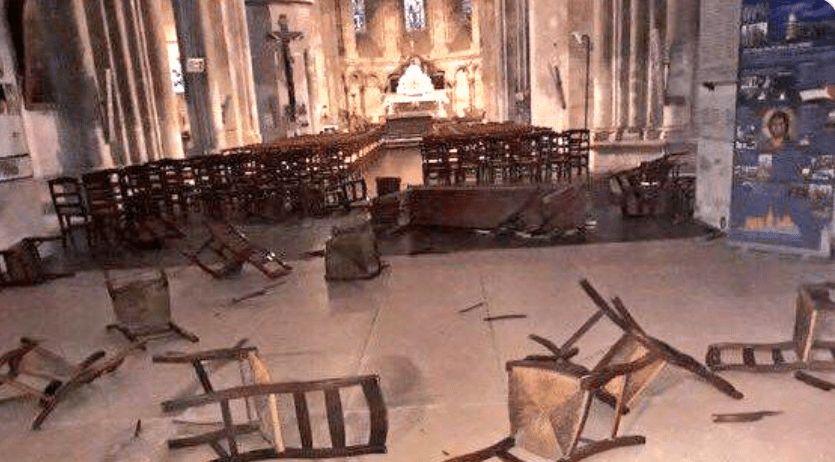
Brussels. 30.10.2020 The EU President of the European Commission Ursula von der Leyen tweeted that she condemned the “hideous act” in the Church Notre Dame in Nice, and the head of the EU diplomacy Josep Borrell tweeted that he was “shocked” by the “barbarism”. But do they really believe that the Islamist radicals care what the EU leaders think about their attacks? To whom do they address their condemnation?
To the radicals, who are considering themselves the “martyrs in Islam”, offering the ultimate sacrifice to Allah Akbar?..

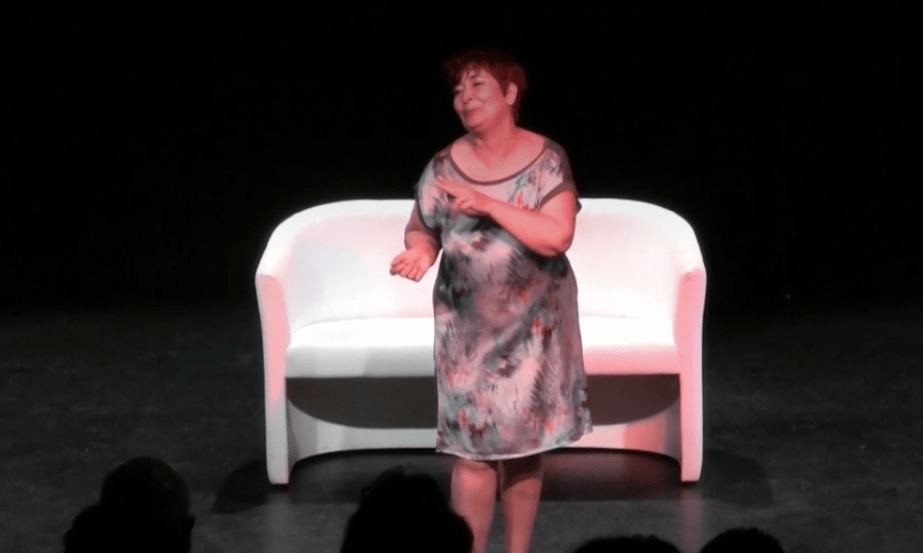
(Image: actress, and devote Catholic Nadine Devillers, victim of Nice attack).

The assailant, who was kindly assisted by the Italian Red Cross, issuing him a document, when he landed at Lampedusa, had been less than a month in France, when he had undertaken gruesome knife attack against Christians in a central church of Nice out of ideological motives, shouting “Allah Akbar!”, while stabbing, slitting throats, and cutting off head of an elderly woman. It did not look like he new any of his three victims, who came for the morning prayer.

What the “condemnation” of the EU top executives mean in practical terms of protection of human life (European Convention of Human Rights Article 2 – right to life)?
“Thought with families of victims”, “shock from barbarism” are only words, which protect no one.
The EU has launched an infringement procedure against Cyprus and Malta for “golden passport” scheme, exchanging citizenship for investment into economy. But why there are no infringement procedures against Italy and France, for neglecting Article 2 of European Human rights Convention, neglecting Islamist threat, and allowing extremists to acquire permits to stay, converted later to citizenship?

The served head of the teacher Samuel Paty by Chechen radical, or Chechen-Maghreb gangs fighting for drug traffic, – all these crimes have one feature in common: unrestricted access to settle in France to abuse the democracy, profiting from its fruit, and denying the values of the hosting society.

It is time to face the reality: for more than a half of Muslims living in Europe Sharia law is more important than the civil law, and even more so for the newcomers, who by no means are interested to embrace European cultures, but to preserve their own, they have fled.

The European Commission has started an infringement procedure against Cyprus and Malta over European citizenship, which should not be “for sale”, but should it be granted freely to any migrant landing in Europe under asylum-seeking pretext? What is “dignifying” about distribution of the European permits and passports for migrants with obscure past and dim plans for future? Denouncing 800 Maltese “golden passports” to distribute more than half-a-million yearly to migrants whose claim is based on the length of stay. It is useful to remember that the very idea of ‘naturalisation’ is entirely “Western”, and is not practised across the world.

The trend of beheading in France should remind us about the history of asylum-seeking which was launched in Colonial era (1951), when nobody could imagine that the entire Africa would be free, and these Conventions of Geneva would be used to move populations massively from one continent to another, allowing Islamists to infiltrate. Nowadays there are more than 8 000 radicals in France on the surveillance list “S”, and 400 are not in possession of any valid document to stay. 

The “golden passports” scheme “undermines the European values” the EU civil servants claim, but indiscriminate welcome to migrants undermines the “right to life” of the European citizens. The issue that continues to be neglected and overlooked. 

Image above: Nadine Devillers, victime of Nice Notre Dame cathedral attack during her last performance in Phoenix theratre.

Erdogan anger amid fossil fuel decline

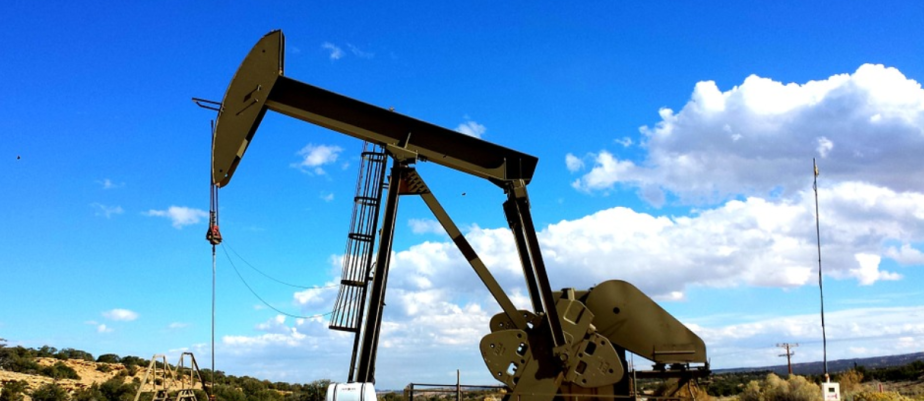
Brussels 26.10.2020 Anna van Densky OPINION Recent President Erdogan verbal attacks on France have many reasons rooted in frustrations, not least is the economic difficulty of Turkey, experiencing sharp decline of demand of fossil fuels on world markets. Related to COVID-19 pandemic reduction of demand has dropped to record 30%, however the experts explain that the trend is here to stay. Before the pandemic broke out Turkey has been gaining strength as an energy corridor, supplying oil and gas to Europe from oil-rich suppliers of the region. However now, in so rapidly changing world, will Ankara be able to preserve its plans, or following the hydrocarbons definite decline of demand, it will face the economic consequences of end of fossil fuel era?

In the beginning of the pandemic, China’s economy slowed down, impacting fossil fuel demand, subsequently the OPEC tried to negotiate with Russia the limitations of production, but failed, the price struggle erupted between Saudi Arabia and Russia, and oil prices collapsed. Moreover, end October crude oil prices sank after Libya’s National Oil Corp (NOC) announced the output would reach one (1) million barrels per day in four weeks. Futures in New York fell 2.3% to drop below $39 a barrel.

In this volatile context Turkey will begin to discuss the new long-term energy contacts with a number of suppliers – Russia, Azerbaijan, Iran, Algeria and Nigeria, of total 45 billion cubic meters of gas. Three of them are covering one third of the energy imports – with Russia, Azerbaijan and Nigeria – will expire next year. The Turkish state-owned crude oil and natural gas pipelines and trading company BOTAŞ and Russian Gazprom had to negotiate delivery of 8 billion cubic meters of gas; the contract with Azerbaijan is covering 6.6 billion cubic meters of natural gas and with Nigeria for 1.3 billion cubic meters of LNG will – all of them expire in 2021.

Till present Russia remains the largest gas supplier to Turkey – 33.6% of total imports, followed by Azerbaijan 21.2% and Iran 17.1%. The rest 28.1% is covered by the liquefied gas (LNG) from other sources. However fossil fuel companies have entered the state of “terminal decline”, and fossil fuel companies are set to face it because of falling demand and higher investment risks caused by competition from clean technologies and tougher government climate and energy security targets, according to climate finance analysts, because of falling demand accelerated by COVID-19 pandemic, and higher investment risks explained by competition from clean technologies and strict government climate and energy security targets.

In this contemporary context the belligerent rhetoric of Erdogan against President of France, reflects tensions in Turkish society, facing the economic crisis caused by the coronavirus pandemic. The government has no plan B to answer to the fossil fuel decline impact of the economy. According to official figures Turkey’s unemployment rate improved slightly to 12.8% in April despite the raging pandemic, while the alternative calculations indicate that more than 50% were jobless. These figures might grow sharply while fossil fuels demand is declining, and plans of President Erdogan to create Turkish energy hub became dim.

The exaltation of the crisis of the relations between Turkey and France did not come as a surprise: France had systematically criticised Turkey’s role in Syria and Libya, and nowadays the unfolding conflict between Armenia and Azerbaijan over the Nagorno-Karabakh region, defending human rights of the Armenian inhabitants there. This recent conflict has added to the other tactics of President Erdogan to deviate the attention of his compatriots from gravity of economic situation in Turkey to various conflicts and crisis he stirs in outside world.
But not only, the active Ankara political support of Azerbaijan in Nagorno-Karabach conflict, will certainly reflect on energy talks of next year expired contracts, the moment when Erdogan will attempt to convert his political influence into preferences and privileges enshrined in new energy energy agreements with Russia and Azerbaijan, allowing Turkey better gains from gas and oil transit.

#COVID19: Scientists against lockdown

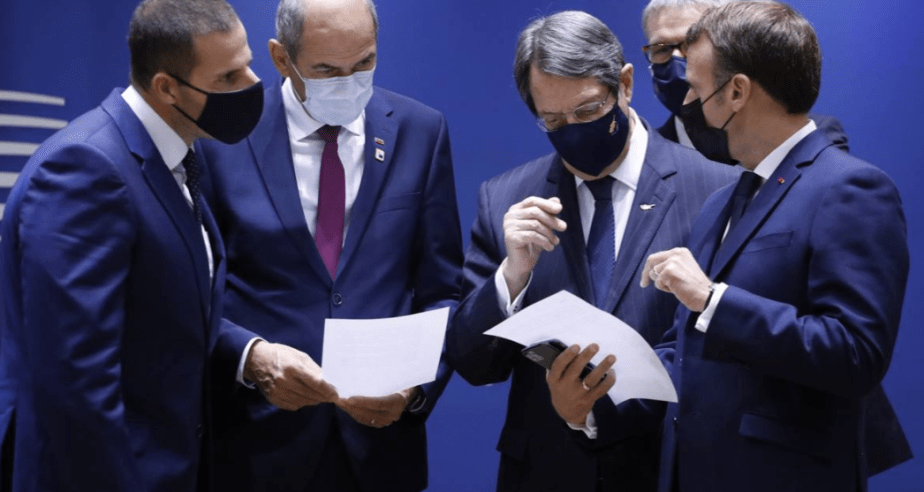
Brussels 16.10.2020 REVIEW: From October 1-4, 2020, the American Institute for Economic Research hosted a remarkable meeting of top epidemiologists, economists, and journalists, to discuss the global emergency created by the unprecedented use of state compulsion in the management of the Covid-19 pandemic. The result is The Great Barrington Declaration, which urges a “Focused Protection” strategy. (Image above: EU Council 15-16 October, Brussels).

DECLARATION:
he Great Barrington Declaration – As infectious disease epidemiologists and public health scientists we have grave concerns about the damaging physical and mental health impacts of the prevailing COVID-19 policies, and recommend an approach we call Focused Protection.

Coming from both the left and right, and around the world, we have devoted our careers to protecting people. Current lockdown policies are producing devastating effects on short and long-term public health. The results (to name a few) include lower childhood vaccination rates, worsening cardiovascular disease outcomes, fewer cancer screenings and deteriorating mental health – leading to greater excess mortality in years to come, with the working class and younger members of society carrying the heaviest burden. Keeping students out of school is a grave injustice.

Keeping these measures in place until a vaccine is available will cause irreparable damage, with the underprivileged disproportionately harmed.

Fortunately, our understanding of the virus is growing. We know that vulnerability to death from COVID-19 is more than a thousand-fold higher in the old and infirm than the young. Indeed, for children, COVID-19 is less dangerous than many other harms, including influenza.

As immunity builds in the population, the risk of infection to all – including the vulnerable – falls. We know that all populations will eventually reach herd immunity – i.e. the point at which the rate of new infections is stable – and that this can be assisted by (but is not dependent upon) a vaccine. Our goal should therefore be to minimize mortality and social harm until we reach herd immunity.

The most compassionate approach that balances the risks and benefits of reaching herd immunity, is to allow those who are at minimal risk of death to live their lives normally to build up immunity to the virus through natural infection, while better protecting those who are at highest risk. We call this Focused Protection… (Full text on the site: https://gbdeclaration.org )

#TBT: BRAFA Art Fair

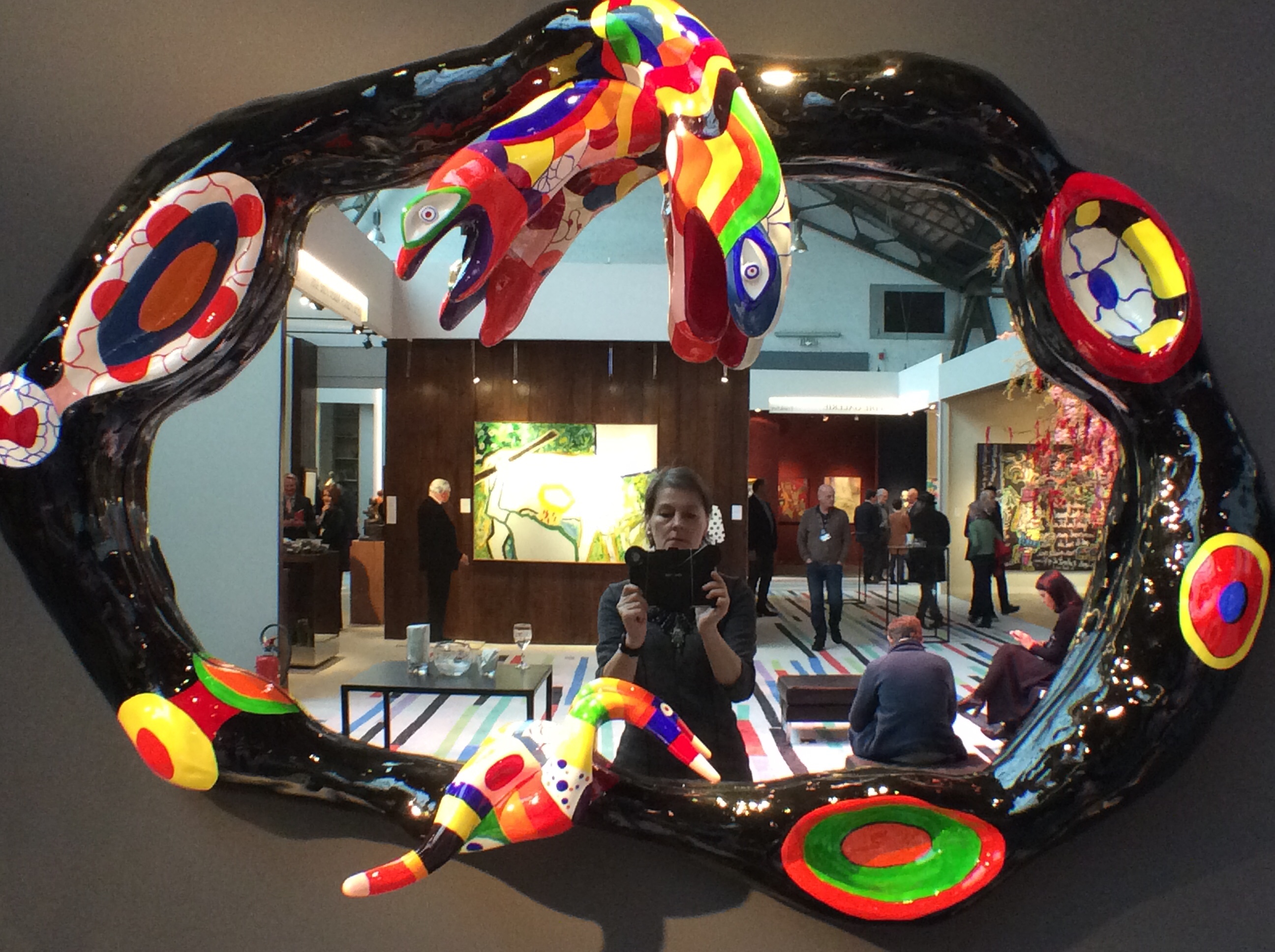
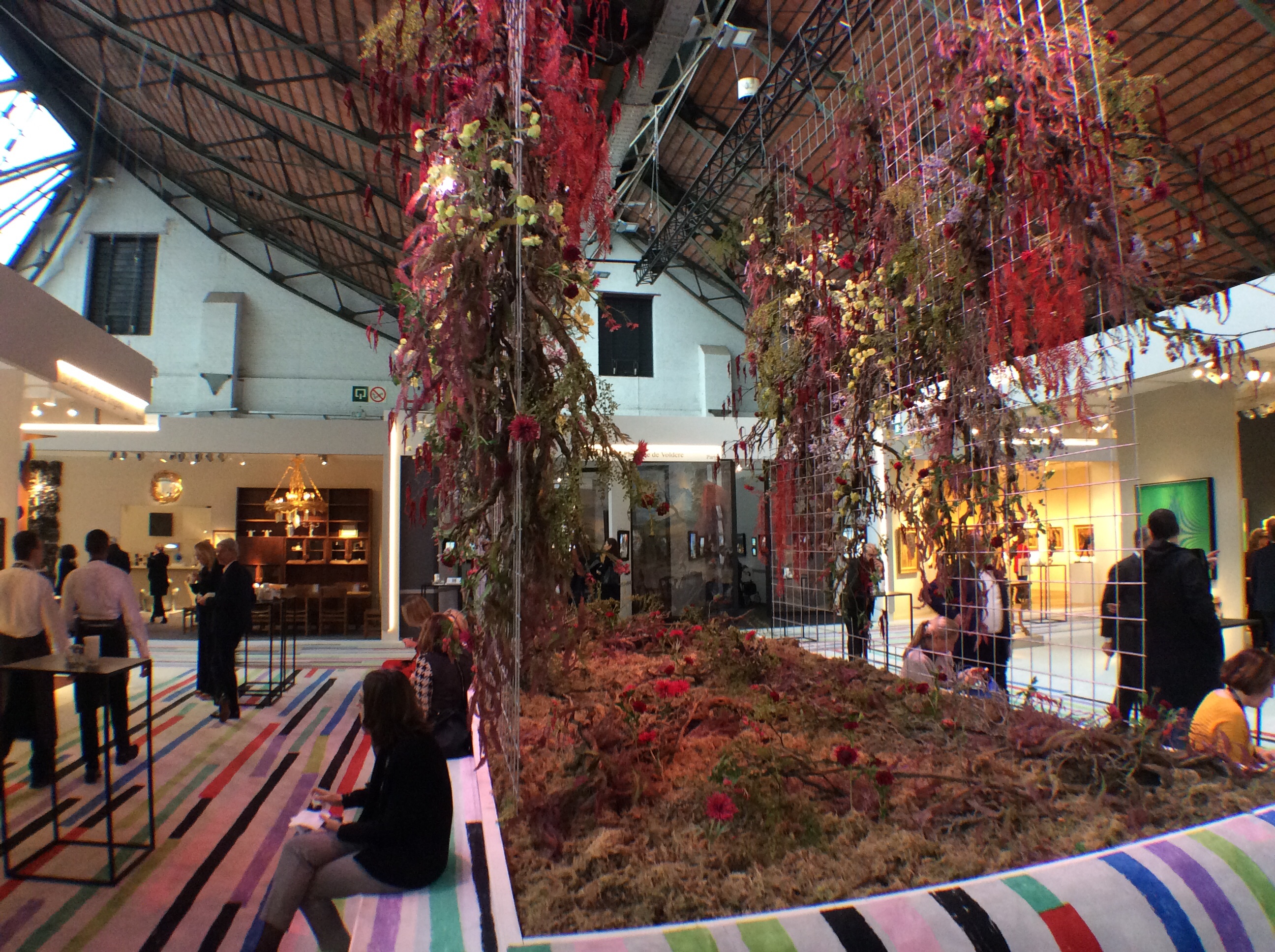
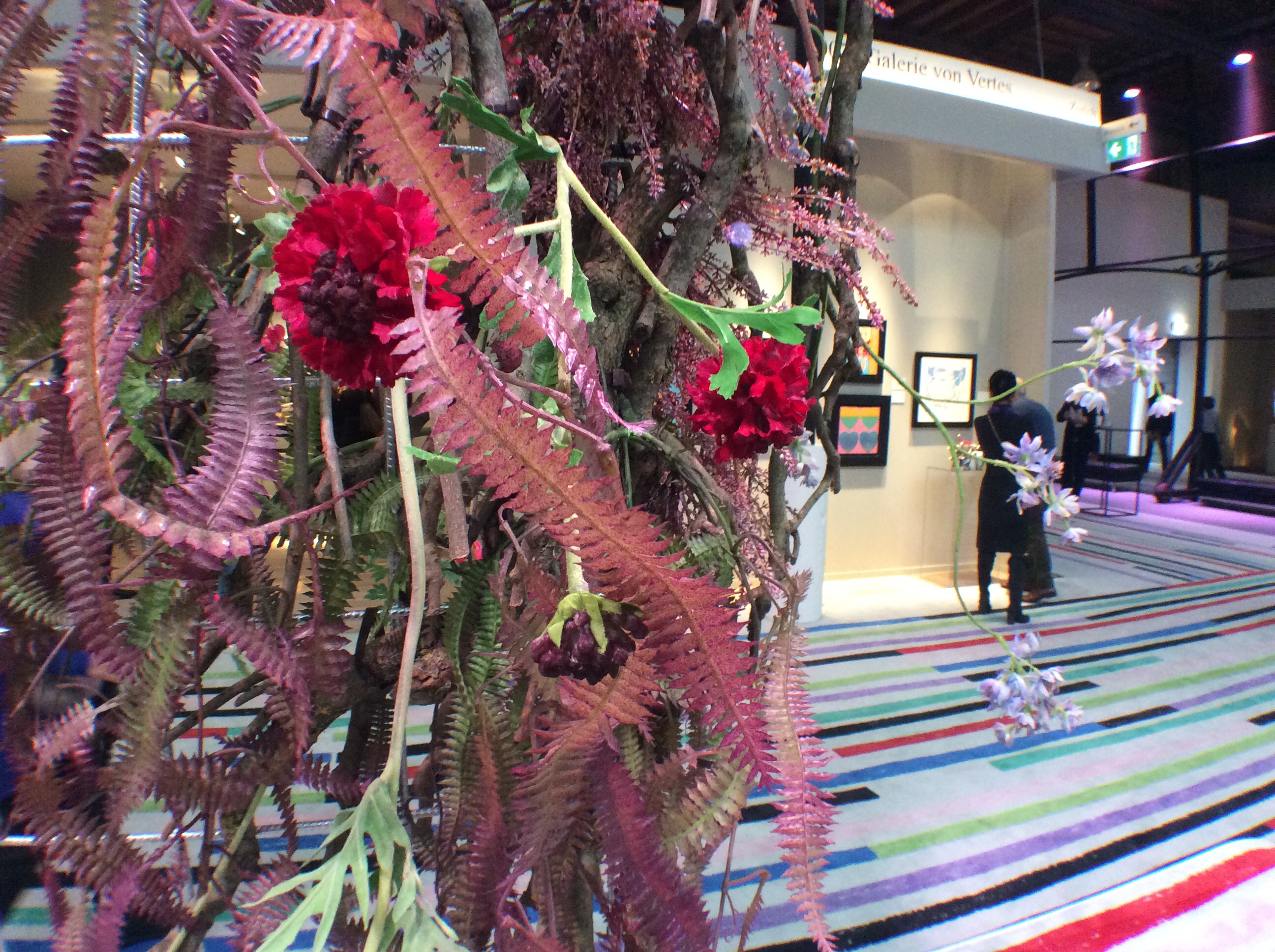
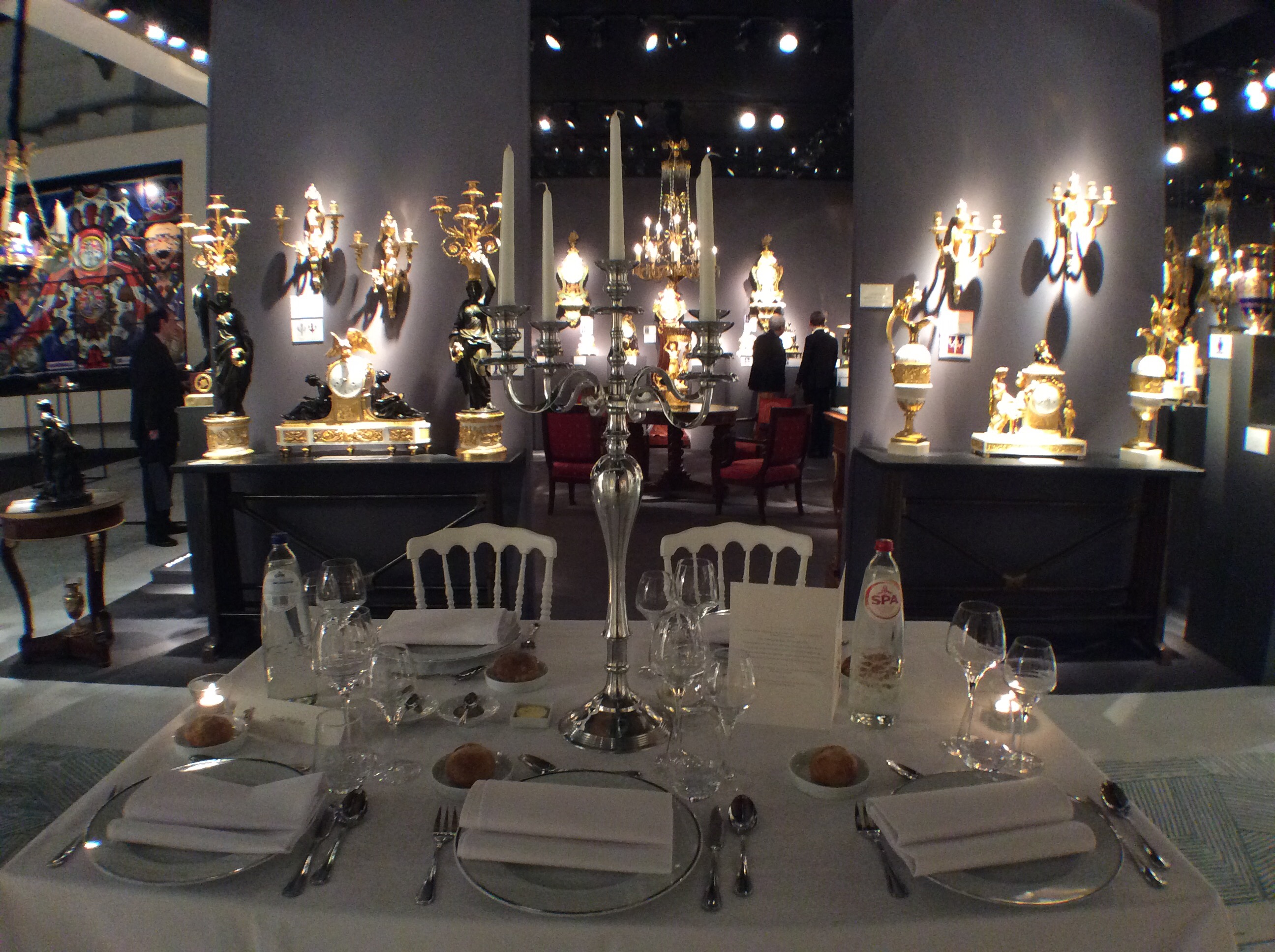
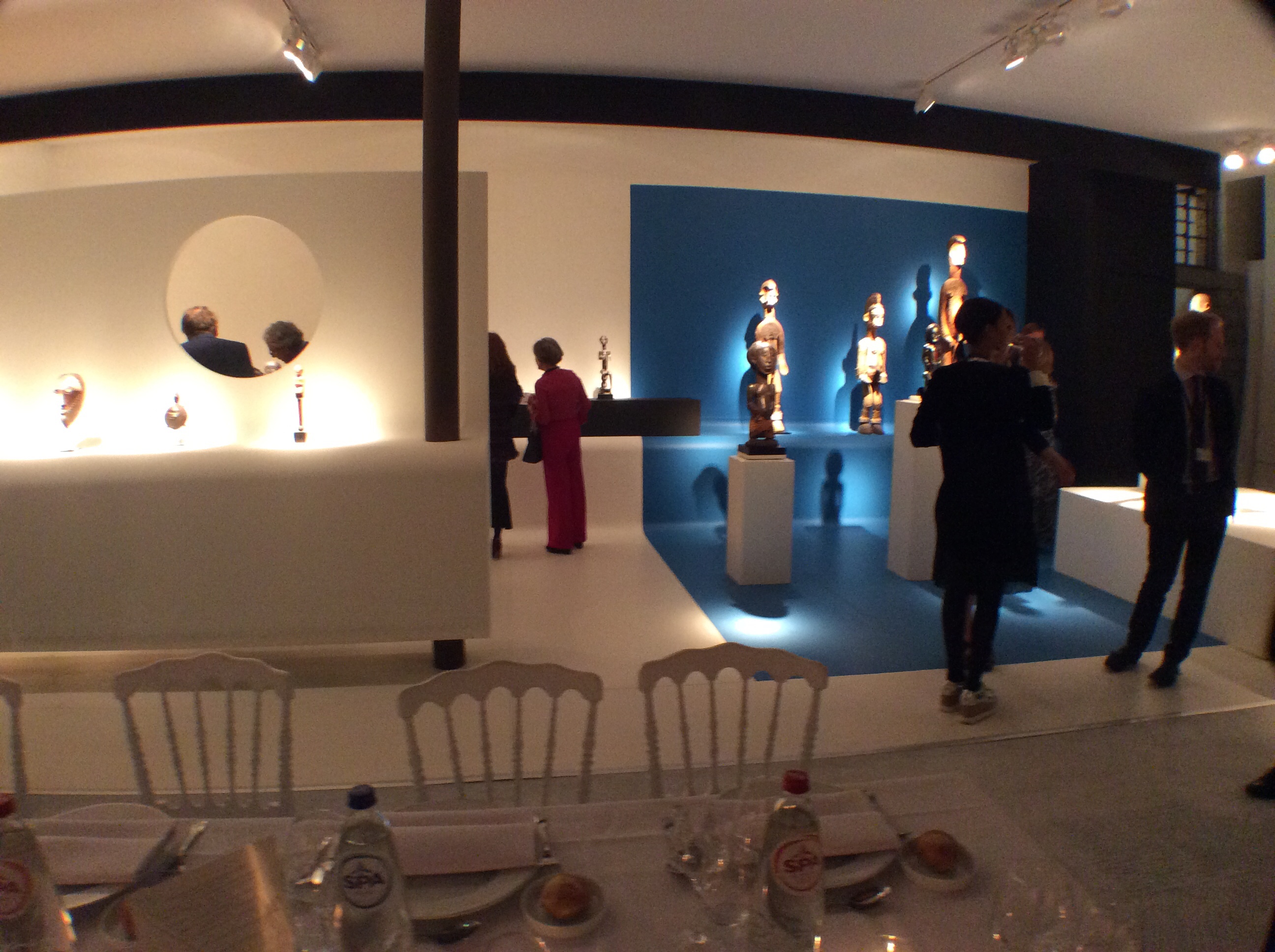
Brussels 1.10.2020 In the evening of the first day of October a sad for the art lovers news came – the cancellation of the Brussels Fine Art Fair 2021 due to volatile COVID-19 pandemic context. (Images: @AnnaVanDensky)

The members of the non-profit organisation (organiser of the BRAFA Art Fair) held an Extraordinary General Meeting during which they decided to postpone the event to 2022.

The first ever BRAFA was held in the Arlequin Hall of the Galerie Louiza in 1956. Charles Van Hove and Mamy Wouters, the long standing President and Vice-President of the Belgian Chamber of Antiques Dealers, were behind the initiative to set up the salon. This first Belgian Antiques Fair or ‘Foire des Antiquaires de Belgique’, as it was known then, followed in the footsteps of the fairs already held at Grosvenor House in London and at the Prinsenhof in Delft, but preceded those set up in Paris, Florence and Munich.

The growing success of the fair and the increasing number of participants meant that a location had to be found capable of keeping up with the event’s development. The range of art objects on display also continued to expand. From 1967 to 2003, the fair was held in the Palais des Beaux-Arts in Brussels. Up until 1994, only Belgian antiques dealers who were members of the Royal Chamber of Antique Dealers could take part in the fair which was, at the time, a purely national event. The number of participants fluctuated between forty and fifty.

The first major change occurred in 1995 when Christian de Bruyn opened the fair to foreign antique dealers for the first time. The Belgian antique dealers saw this as a revolutionary step and they were right; in no time the fair had outgrown the Palais des Beaux-Arts and a new, much bigger location had to be found. In 2004 the Belgian Antiques Fair therefore moved to Tour & Taxis, a gem of Belgian industrial architectural heritage situated in the north of Brussels, next to the Willebroek canal. Now that exhibition space was no longer restricted, the BRAFA actively sought to increase the number of participants. Having started with no more than twenty Belgian antique dealers it grew to incorporate about one hundred and thirty exhibitors from both Belgium and abroad in the space of a few years. The fair is now recognized worldwide as one of the leading international fairs in Europe.

BRAFA, or the Brussels Art Fair, is one of the longest running art and antiques fairs in the world and is organized every year by the nonprofit Belgian Antiques Fair Association.

The uncertainty created by the coronavirus pandemic in Europe is the main reason for the postponement. BRAFA, which is traditionally the first top international fine art fair of the year, showcases 130 exhibitors on average, of which two thirds come from abroad.

Last year, the fair welcomed a record number of 68,000 visitors, collectors and professionals, including a significant number from neighbouring countries. The current health situation and its potential evolution this autumn and winter have caused serious concerns. New restrictions on intra-European travel related to coronavirus pandemic and the safety measures imposed by the authorities have only added to the fear of the organisers.

Mali: EU-ECOWAS democratic dogmatism

Brussels, 20.09.2020 Anna van Densky, OPINION: An extraordinary pressure on Mali officers to transfer power to civilians without delay paves the way to one more failed state on the map of the world. During the anti-government protests, which led to the coup d’état, ousting of President Keita, there has been no single political force able to offer a comprehensive programme to reform the Sahel country and direct it firmly to the democratic future. Moreover, there is not such a clear path to democracy for Malians, plagued by extremism, sectarian conflict, ethnic divisions, and endemic corruption.

The European Union (EU)- the avid supporter of the Economic Community of West African States (ECOWAS) efforts in Mali- actively promotes a model of the democratic institutions, run by the civilians, without any consideration of the context, and previous failures of the similar kind – the state-building in Afghanistan, in Iraq, and in Libya. Nowadays the ECOWAS, flanked by the European diplomacy, is pushing Malians towards pro-forma return to the “Constitutional” order, denouncing the idea of the country run by the military for the next 18 months. However the energetic push is performed in absence of a coherent strategy in dealing with corrupt and ineffective state structures, and detached local communities doomed to isolation in absence of adequate infrastructures. Last, but not least is the factor of the general instability in the region, aggravated by rise of Islamists in Sahel, affiliated with Al-Qaeda and Islamic State aiming to restore the legendary Caliphate of Sokoto.

Sadly the list of problems does not end here, the Tuareg dream of creation of an independent state in the north of Mali – Azawad – has never faded, but retreated for time being under pressure of the overwhelming French army, while the experts unanimously admitted that there is no military solution to the ethnic conflict, and invited the belligerent parties to resolve the conflict at the negotiation table defining the region future status within Malian state. So far in vain.
Back in 2012, while declaring the independence, Azawad leaders claimed that Mali was an “anarchic state”, and Tuareg liberation movement has opted for a military transition period, to ensure the protection of their land and conducting the transition to the democratic institutions. The massacre (2014) of the Tuareg civilians by Fulani-Islamists has been too recent to be forgotten. Not least are the tensions between Tuareg and Chadians, caused by massacres of the civilians by Chadian army in the North of Mali in the region of Kidal.
In short, not only a clear path to democracy is absent, but also there is no path in view for national unity, allowing to construct a functional political system producing a corruption-free credible government, leading way to economic recovery, and well-being of regular Malians.
Struck by multiple systemic conflicts, causing a permanent state of crises, Malians are not able to rise out of poverty, in spite of the remarkable natural wealth.
The profound misunderstanding of capacities of a new born protest movement of 5 June (M5) to become a constructive political force over night will result in further turmoil in political life, and cause even more resent of the citizens, searching for responses to their justified claims. Being the prime victims of the ECOWAS blockade, the regular Malians will turn to an available alternative, finding warm welcome by the anti-Occident militant groups, and the extremists will rise again, feasting on poverty, and frustrations of communities.
The five thousand strong French military corps, fulfilling the counter-terrorist operation Barkhane in Sahel region has limited capacity to deal with the consequences of the ongoing failed state drama in Mali, and it would be too naive to expect them to defeat jihad, in absence of the state-building process.
The EU is a major donor of assistance in Mali, providing more than €350 million in humanitarian aid in the country since the beginning of the crisis in 2012, adding to €23 million in 2020. However the Europeans contribute without any pragmatic plans for the future of the country, preferring in the current crisis to support the ECOWAS blindly, joining the pro forma claims of civilian government, without any consideration of its notoriously poor quality, leading to the current state of affairs, while under President Keita 40% of state purse vanished in pockets of corrupt civil servants.
The ECOWAS-EU strategy of pressure on the Malian army by imposing border and financial transactions blockade, will destroy the relations with Malian patriotic officers, and cause further impoverishment of Malians, pushing them into the arms of extremists of various calibre.
Mali is far too significant to the West Africa to allow the Europeans to leave it alone, watching it’s descending to chaos, but it is far too big as a challenge to resolve the complex of state-building and security problems, through simplified linear punitive measures.
Recent Ursula von der Leyen sanctions policy concept will create nothing but remorse and discontent among Malians, who today still regard Europe as a friend. The enduring threat of Islamic extremism requires elaborate and flexible European diplomacy, navigating the country to effective forms of governance. Further escalation of tensions in name of democracy and “Constitutional order” will produce exactly the opposite effect – an explosion. An explosion, throwing Malians into hands of kleptocratic clans of war-lords, descending into chaos.
Instead of fearing of a hypothetical dictatorship led by Colonel Hassimi Goita as deviation from the imaginary path to democracy, the EU should embrace the co-operation with the patriotic and secular Malian army as the constructive force in disposal of capabilities to introduce reform, and allowing the political process to thrive towards the meaningful free and fair elections concluding the suggested transition period.
Let us not forget that Kemal Ataturk, and General de Gaulle were military man, however their remarkable contribution to democracy is ways more significant, than of many other statesmen in civilian suits. Rejection of enthusiasm of young generation of Mali officers, aiming at reforming their country and nation-building will end in one more fiasco, making Mali to follow the path of the other failed states. It is clear there are not simple answers to Malian crisis, and the obsession with the civilian rule, achieved by imposing de facto sanctions, will result in a huge bill for the European tax-payer for the humanitarian aid, and ever-growing burden for the French army, combating extremism in Sahel, transforming into another Afghanistan.
The EU diplomacy, led by Josep Borrell needs to regard the context, abandoning dogmatism in promoting of democracy and rule of law in Mali, and become flexible and adaptive, formulating short, medium and long-term goals, working on achievement of them in stages, with a focus on long-term stability of both Mali and Sahel.
Moreover, the EU needs to built genuine partnership with the Malian armed forces, investing in development of their capabilities to defend Malian state, and combat extremism. The essential element of the EU success in promotion of the democracy, is the demonstration of a genuine interest in problems of Malians, and readiness to compromise in search for attaining long-lasting common goals, as stability, prosperity and lasting peace.

However, today, when the Malian state is in a profound crisis, and its future is in peril, nothing is so detrimental to promotion of the European values in Sahel, as dogmatism and forceful imposition of European concepts within fragile Sahel context. Mali is on the crossroads, it is up to the EU to decide if it wishes to contribute to the push of the Malians down the slope, following Afghanistan, Iraq, and Libya, direction of the failed state, fanatically exporting European concepts to vast spaces of African Savannah.
Will the EU diplomacy in Mali adapt or become obsolete? The ability of the bloc to change, adapt and experiment will become far more significant in Sahel, than the capacity to punish and sanction. Above all, it makes little sense from the EU behalf to appeal to legality and return to the constitutional order – “Necessitas non habet legem” – Necessity has no law.

#SOTEU: Leyen formal debut

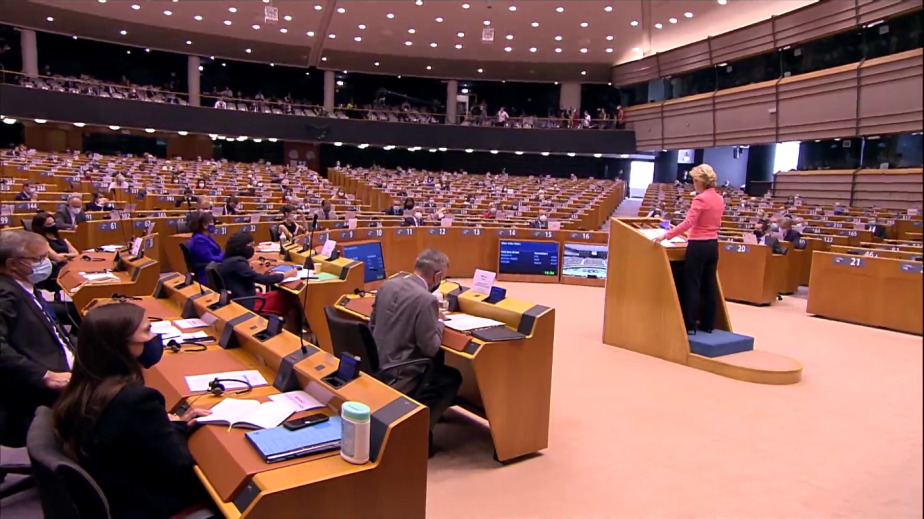
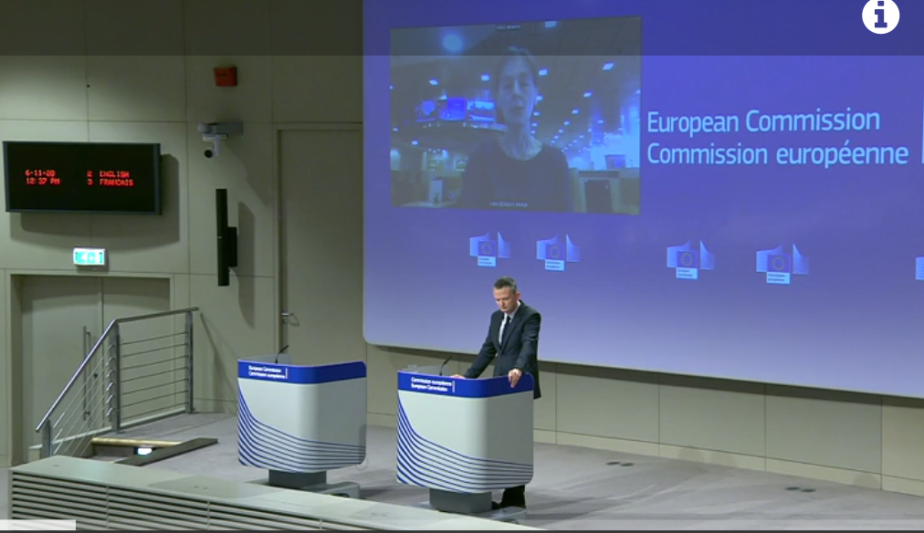
The traditions September State of the Union Speech (#SOTEU) of the European Commission president has been the first one for Ursula von der Leyen. The address before the European Parliament took place in Brussels, instead of Strasbourg, because of the coronavirus restrictions.
On 16 September in her first #SOTEU speech, she shared her vision for a stronger Europe and a better world after the coronavirus pandemic, radiating obligatory for her status enthusiasm over the EU radiant future.
However if in tone the speech did not deviate from the EU classical tradition of depicting the project as the ever-growing and successful endeavour in essence it broke with the tradition,because COVID-19 pandemic, vaccination of humanity, and related issued became the major focus, causing compression, and sidelining of many other policies – international relations became one of these areas of shrinking attention.

The overview of the EU external relations started with China, and ended with Africa with Enlargement and Neighbourhood policies squeeze in between, and complimented with haphazard mentioning of human rights. The compression of the foreign affairs chapter was striking,leading to frantic dashes from Uyghurs to Magnitsky Act, from Salisbury poisoning of former Russian secret service agent to migrant camps in Turkey.

President von der Leyen has been mixing the issues and problems with vague promises, and warnings of international politics as a disc jokey (DJs) mixes melodies, weather forecasts and advertising. The speech has been delivered on time, and almost entirely in English language in spite of the fact it is used only in two of the bloc members – Malta and Ireland – which constitute one per cent of the EU population. This Anglophilia was largely misplaces, taking into consideration the recent British Prime Minister consideration to opt for no-deal exit.

According to British press Boris Johnson will present an ultimatum to negotiators in coming days, demanding the UK and Europe to agree a post-Brexit trade deal by 15 October or Britain will step out without any agreement at all. Under the circumstances von der Leyen choice of English language looked rather submissive, and even masochistic, dissonating with major tones of the oratory, mixing cheerful slogans and staccato warnings.
“And the band played on…”

EU «wahsed hands» of Belarus

#Belarus #Lukahsenko #BelarusProtests
Anna van Densky OPINION Today, on August 19, an extraordinary meeting of the Council of the EU on the situation in Belarus took place by teleconferencing.

The feeble answer has surprised many. The EU leaders have not pronounced the name of the genuine elections winner Svetlana Tikhanovskaya even once (!)While being so ardent about Ukraine integration into the bloc, why showing so little engagement towards dramatic events in Belarus?

First of all the context has entirely changed for the Europenan Union as an internationl organisation, transcending a profound systemic crisis itself. The bloc is in a difficult economic and financial situation because of the pandemic and because of the Brexit. The UK, the second largest contributor to the EU’s coffers, has left the organization and there is no trade agreement yet, and most likely will be none, which will create a considerable number of the economic problems in short, medium and long term.

At present the economy of Belarus is integrated into Russian and it is also orientated to the former Republics of the USSR, exporting there machinery. What is especially lucrative is the export of agricultural products to Russia, while it would be not easy to find the replacement for clients at the EU market, which has a surplus of agricultural products to an extend that the farmers receive funds not to produce, and not to develop the arable lands.

The dependency of Belarus on Russian hydrocarbons (Yamal gaz pipline) is a common place, and does not need any additional clarifications; the machinery, produced for former Republics either.

Regarding political transition to democracy from Lukashenko authoritarian rule, the major riddle is how to integrate the country into the EU politically, while it’s economic foundation is firmly intertwined with Russian Federation, and former Soviet bloc.

The defence issue is not less problematic: joining the CSTO, Belarus became a military ally of Russia. Certainly it can cancel the CSTO membership, but the maximum of what can be achieved afterwards from the army and the people is military neutrality. Due to its history, the country will opt for neutrality policy, since the people do not sympathise with NATO and, unlike Ukraine and Georgia, there has never been any talk of joining the North Atlantic Alliance for Belarus.

And here the geopolitical level of the issue is reached: there is no point in integrating a country into the EU which will not host military bases of the United States, and even less so joining the the North Atlantic Alliance. If the Belarussians keep Lukashenko in disdain, it does not mean that they are ready to join the “belt of infidelity” and serve Western interest, regarding Russia as a foe, as Ukrainians and Georgians are eagerly doing.

Taking into consideration mentioned above one should not expect active political support and financial assistance to Belarus from the EU similar the one they offer to Ukraine and Georgia.

A policy of sanctions against Lukashenko’s entourage has already been chosen by the EU, which is related to the policy of sanctions againstRussia and will be further harmonized with it. De facto, what looks like support to Belarussians will be an additional package of sanctions against Russian economy.

Subsequently further retention of Lukashenko in power by allies in Moscow is not only meaningless, but frankly detrimental to the economic interests of Russia, because they will be used by the West as a tool for expanding sanctions. Lukashenko life-long presidency will also significantly deteriorate image of Vladimir Putin in domestic politics, and deepening of the Belarussian crisis will have a negative impact on the entire range of Russian interests at home and abroad.

In their best interest Russians shouldn’t hold on to the political corpse of Lukashenko, but should arrange his swift and humble funeral and turn their attention to the other contemporary political players preferred by Belarus people:

“The king is dead! Long live the king!”.

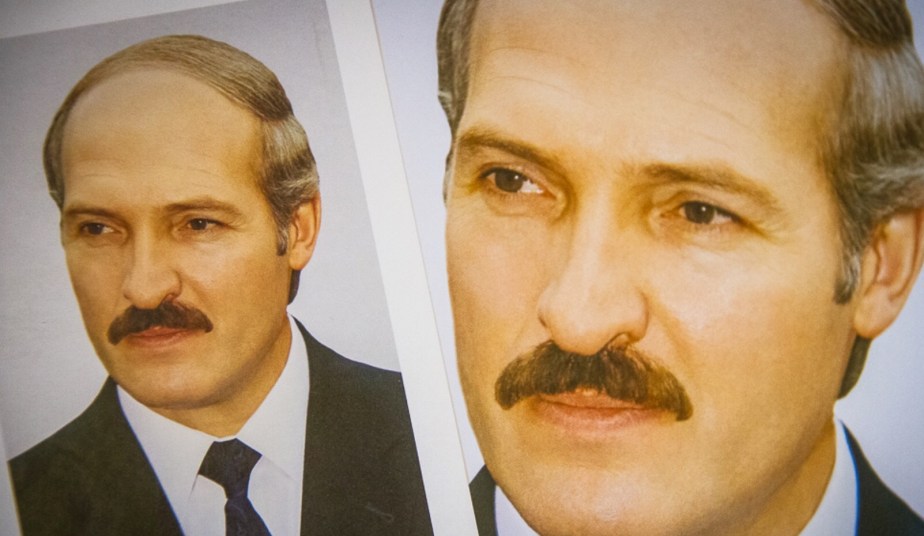
Inauguration of incumbent President Lukashenko one more time will take place in two month, Russian TASS new agency reported. He has been Belarus authoritarian ruler for 26 years, who came to power as a “new type of leader” in last millenium and stayed due to his “clinch” with power for almost three decades, erasing smallest signs of dissent.

Khabarovsk: Russians protest against Putin

#Khabarovsk #Russia The protestors started with the demands of release of their governor Sergei Furgal, who was abdicted, they believe, because of his refusal to falsify the results of the Constitution referendum, which aimed at crowning Putin lifelong President of Russia.

The Far East region of Khabarovsk showed very little support to a plan of leaving Putin at power to 2036, with 36,64% of «NO» votes among 44% turnout, and after that failure Sergei Furgal «lost confidence» of the President, and was literally kidnapped, and transported to Moscow prison.

The abdicated on July 9 governor denies all accusation of plotting murders of businessmen committed in 2004-2005, claiming his innocence.
People in Khabarovsk insist the entire Furgal affair is fabricated, being the revenge for his independence, and democratic attitude towards the plebiscite, letting the vote happen without manipulations.

Nowadays the citizens are not only demanding his liberation, but also the resigantion of Putin, and respect of democracy, being indignant by the foul play around Constitution, with one single aim of continuation of Putin’s presidency.

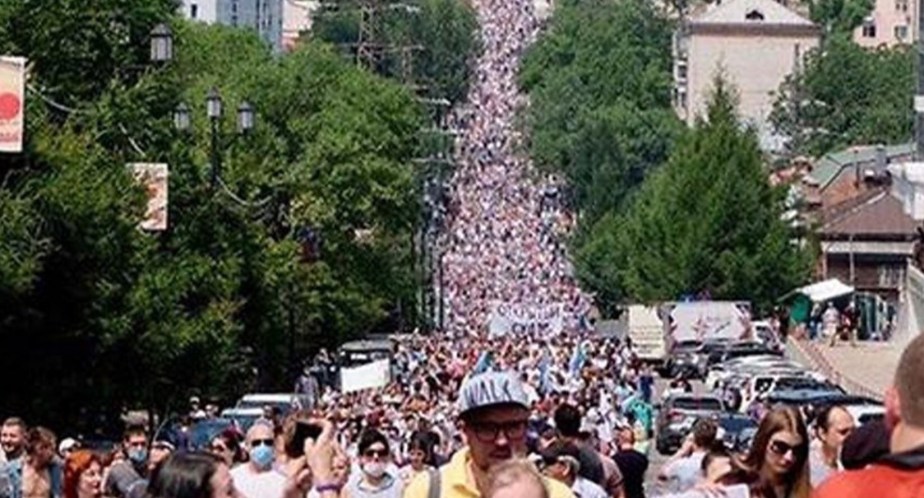
They are chanting «Putin’s thief!», «Putin resign!», «Putin out!», «Crime against Constitution», «Russia without Putin!». National Guards sent to the central square said they will not act against people, in case of order to use force, they will surrender uniforms and quit.

Remarkable, that Khabarovici use method of Catalans and Yellow Vests, manifesting on Saturday, and working during the week to keep movement going for a long period of time.
It is also special that people went out in the streets in spite of the summer heat: + 31 C°
Cases of heat stroke were reported, and at least one woman received medical assistance.
Citizens-journalists claimed there were 100 000 people in streets today, more than last Saturday.
The protests started shortly after arrest of Sergei Furgal, and became massive from July 11.

Reacting upon the situation, Putin has appointed a new governor Mikhail Degtiarev from the same Liberal party, however he was not accepted by the citizens, even as deputy to revolve the situation temporarily.

At present the authorities try to play the COVID-19 card, demanding everyone «STAY HOME-STAY SAFE», but it is obvious that they are concerned about FREEDOM – “the most contagious virus known to man” spreading all over Siberia, already showing discontent with Putin’s authoritarian rule, absence of genuine political competition causing endmemic corruption.
Following Bolshevik Revolution the Far Est Republic was established in 1920-1922 in Siberia by Social-Democrats, but after the failure of White movement requested joining Russia. However nobody in Siberia has forgotten the legendary years of independence.

Review by Anna van Densky

Hagia Sophia: Turkey move towards Sultanate

Anna van Densky OPINION Today visit of the European Union top diplomat Josep Borrell to Ankara would be also highly emblematic, demonstrating the capacity of the bloc to stand for the European values, namely the human rights and freedom of religion. The wish of the President Erdogan to transform the emblematic Byzantine temple into mosque, caused vivid concerns of 300 million of Orthodox believers across the world, who consider their rights to be violated in case the building to be converted to a place of worship.

City of Istanbul Hagia Sophia (Holy Wisdom) monument has rich, centuries long history, but nowadays it has also an immense political significance for both the East and the West, symbolising the crossroads of two civilisations. The situation of cultrual balance has changed recently, when an association started pursuing the cancellation of the 1935 decision that transformed the emblematic temple into a museum, and demanded the re-establishing of the Muslim cult, and group prayers. Not without sympathy of the President Erdogan himself, who said it is an internal issue, and any expression of an opinion from outside would be considered as attack on Turkey “sovereignty“.

A court decision is expected within fortnight mid-July.

The former Orthodox Byzantine cathedral, later converted to mosque is at the center of a modern dispute between Turkey’s secular Ataturk heritage, and President Erdogan attempts to include religion into basement of his autocratic rule. The argument that surfaced at court in reality reflects the entire process in Turkish society, representing two Turkeys, one looking inwards, and the other outwards. The opportunity to pray in the UNESCO World Heritage monument is more that an argument between a possibility to convert a museum into mosque, it is a historic battle between secularism and striving for the EU membership urban part of Turkish society from one hand, and from the other hand religious conservatism, shifting the country further and further away from the European values.

The Council of State – the highest legal authority – listened to arguments of lawyers for the Association for the Protection of Historic Monuments and the Environment on July 2, the group claiming for the Hagia Sophia to be transformed to mosque.

If the court decides in the NGO’s favor, it will impose the entire transformation of the historic building of Byzantine times, which has been a symbol of the city’s status as a meeting point between the East and the West, and the Muslim and the Christian worlds.

Constructed as a temple, after it was completed in 537 the Hagia Sophia was immediately central to early Christianity and its vast cathedral dome was admired by generations as a marvel. In 1453, when the Ottomans conquered the city previously known as Constantinople, it became a mosque by force. However 500 years later it was converted into a museum soon after the choice of the Turkish society for of modern and secular state was made.

Constructed as a Byzantine architectural masterpiece, Hagia Sophia was completed in 537. Today, it is one of the world’s most popular attractions, and UNESCO World Heritage, with millions visiting every year, the magnet of the historic Sultanahmet district of Istanbul. At present there is no clarity on how this monument would function in case transformed into place of Muslim worship.

Lately hardline President Recep Tayyip Erdogan, who made Islam an integral part of his political agenda, has set his sights on the building. In a campaign speech ahead of local elections last year, he said it had been a “very big mistake” to turn it into a museum.

However Hagia Sophia’s mixture of religion belongings made it so symbolic for Turkey, predominantly Muslim, but founded in the early 20th century on secular ideas of separating religion and state.

Erdogan, and the Turkish association in the court case, certainly have many supporters, especially in the country-side.

Some experts presumed that the there should be shields, covering Byzantine Christian mosaics which are not compatible with the Islam cult. The other big issue is the building maintenance, and monitoring of the artefacts by specialists. In case it becomes the worship place, the jurisdiction would change, creating uncertainty for the restauration specialists examining the site to ensure its conversation.

However there is little doubt what the Court decision will be, after last month announcement President Erdogan made, while meeting ruling party officials:

“Allah willing, after the decision by the council state, we will pray in the Hagia Sophia”.

The European Commission, the guarding of the treaties, and the counterpart of Ankara in accession talks considers that the monument should be regarded as UNESCO World Heritage, the emblematic place for tolerance and dialogue.