Petroleum agent presides over Brussels press corps

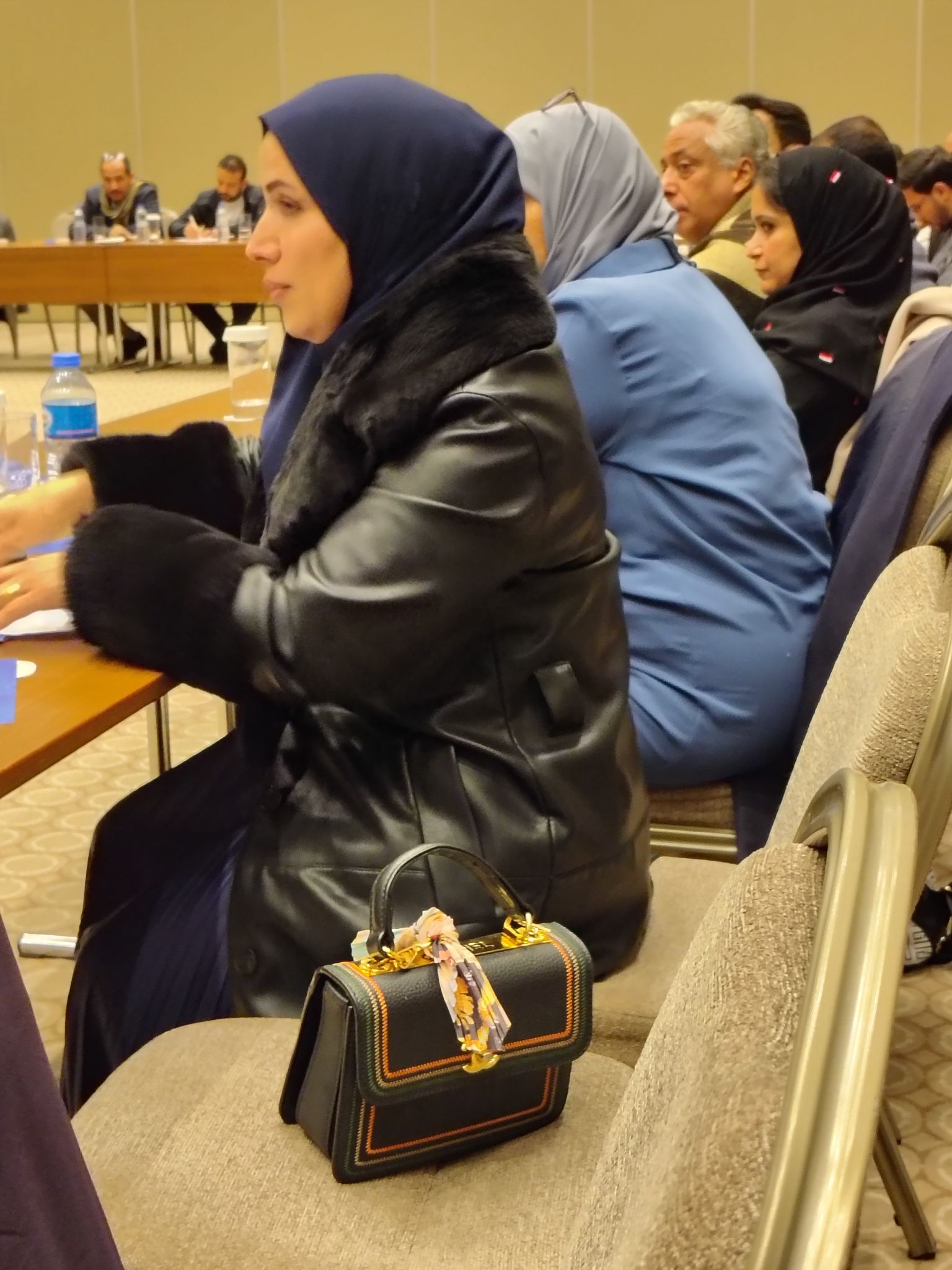
Brussels 03.10.2025 The General Assembly of the International Press Association (API) endorsed a correspondent of the non-news media to preside over the journalisits’ organisation. Although officially Dafydd ab Iago @dafyddabiago (David Ferguson) has been “elected”, in reality he was endorsed because there were no competition for the position.

The situation is remarkable because he is the first chairman in half a century, who presides over the EU press corps, while working for non-news media, which means the UK company he represents as a Brussels correspondent has the following fields of endeavor: “advertising material publishing; On-line publishing of statistics and other information; On-line publishing photos and engravings; Photo and engraving publishing; Postcard publishing; Poster publishing: Printed matter publishing; Publishers (other than of newspapers, books and periodicals”. In its own words Argus Media (previously known as Petroleum Argus Ltd) is an independent provider of price information, consultancy services, conferences, market data and business intelligence for the global petroleum, and other types of energy.

https://platform.twitter.com/widgets.js

But where is journalism? Where is the construction of public discourse?
Where is prime target of journalism: serving as a forum for public criticism and search for a fair compromise, facilitating discussion and collective action for positive change?

How Argus “price information”, and “global petroleum data” ensures journalism’s watchdog function, in fact, the news media’s main role in political system? How does it increase accountability in the EU democratic governance systems? Obviously the non-news media are unrelated to journalism, while pursuing purely commercial purposes.

Subsequently the endorsement of non-news actor as the president of a the international journalist’s Association (API) manifests the state of Brussels press corps, drifting away from its original mission of Democracy’s Watchdogs.

Nowadays API unites 400 members among a thousand of the EU institutions-accredited journalists, being a specific organization for Brussels-based foreign correspondents. API claims to be first organization since 1975 to unite non-Belgian journalists of all categories and expertise based in Belgium and working for international media. The membership is open to journalists employed by one or more media outlets—whether as staff or freelancers—whose headquarters are located abroad, or who can demonstrate that their work is targeted at a non-Belgian audience, reads the introduction on the API site.

https://platform.twitter.com/widgets.js

As the representative group of non-Belgian journalists in the Kingdom of Belgium, API was created to facilitate connection between the foreign correspondents and the EU institutions on issues relevant to professional activities of the members. This includes the established set of rules, opening access to information, ensuring adequate working conditions at the EU press events, and equal access to the sources, and documents.

However during Ursula von der Leyen presidency of the European Commission which is the EU institution granting accreditation for the journalists, the access for the press-events and information has been severely restricted. The bunker mentality of Madame President is widely known, reflected in replacing press-conferences by read out of statements, “family” photos, and other photo-ops as shake hands, shifting from dialogue, answering to the questions of press to production of public relations material, and policies promotion.

This shift signifies a clean break with the previous presidencies of the European Commission, engaged in dialogue with press, and explanations of the initiatives, or decisions. The von der Leyen Commission has been systematically replacing them with advertising of the Commission’s activities, and public relations.

https://platform.twitter.com/widgets.js

Undoubtfully Brussels journalists are experiencing the global trends of transition from legacy media to digital multimedia, the process which has multiple implications. With the Digital revolution a Homo Sapiens, a product of written culture, is transforming into a Homo Videns for whom the word has been dethroned by the image. The image plays a decisive role, floating away from a text as an abstract form of thought to a visual representation. As a result the complexity of political process, democracy, and rule of law is substituted by shake hands, red carpets, and broad smiles of politicians, attempting to convince citizens that they are guided to a brighter future. Benefiting from the Digital technologies, the beau monde of politics is increasingly reliant on power of colorful, and often doctored images.

Within this global trend, while genuine discussion through traditional mass communication channels is replaced by the mosaic of optimistic edited images, the EU Commission does not miss opportunities to shape public debate upon its agenda. The Ursula von der Leyen Commission has successfully flooded the information field with the self-advertising, and promotions, while the gap between the Institutions, and regular citizens broadens daily.

In an exclusive new report for MCC Brussels — Brussels’s media machine: EU media funding and the shaping of public discourse — the author Thomas Fazi – revealed a vast, previously under-scrutinized system through which the European Union annually disburses nearly €80 million to media projects across Europe and beyond.

“The report contends that the EU’s financial leverage creates a “semi-structural relationship” with major media outlets, particularly public broadcasters and news agencies, blurring the lines between independent journalism and institutional communication — and seriously compromising the media’s ability to hold power to account” Thomas Fazi writes.

The European Commission and European Parliament collectively disburse close to €80 million annually to media projects, including major news agencies, who are used by the other types of media as a prime source of news distribution. The MCC report concluded a conservative estimate of one billion euro (€1 billion) in funding during the past decade. This figure doesn’t include indirect funding streams — for example, advertising or communication contracts awarded to marketing firms who then redistribute funds to major media outlets.

The European Commission system of replacing journalism by public relations, and advertising was shuttered by Brexit, which revealed the immunity of a large part of the electorate to the efforts of the EU institutions to promote their agenda, disguised in “independent” media discourse. However it after the departure of the Brits, the EU institutions’ methods became more aggressive, adding active censorship. The EU citizens have especially felt it during the pandemic, and beyond, when the battle for freedom of speech climaxed in EU Commissioner Thierry Breton clash with Elon Musk. The owner of X (formally Twitter) platform dabbed former European Commissioner for Digital Affairs a “tyrant of Europe” for his relentless efforts to impose censorship on social media via the EU regulations of the digital platforms.

https://platform.twitter.com/widgets.js

The public battles for freedom of speech, and censorship are shifting Overton window, so do the other, less noticeable, but not less significant actions, for example including non-news agents into journalistic communities, and then promoting them to lead. The endorsement of non-journalist as a president of the Association of the International Press is one of these Overton shifts. The replacement of journalists by advertising, and other commercial publications agents is not only a precedent, it is decisive vector of development, which will allow to ditch the role of press as democracy watch dogs to favor the European Commission lap dogs, without attracting much attention of the general public to the surrogate.

“This latest episode simply confirms the disgraceful state of the EU press corps, and Brussels-based journalists more in general, which have forsaken their role of watchdogs a long time ago and today largely act as PR agents for the corporate-political interests which fund their operations, which happens to include the Commission itself, which funds a large number of media outlets across Europe, as I show in my report, – Thomas Frazi wrote, commenting on the situation.-With the non-news media agent, leading the Association of International Press. – The result is that there is basically zero real scrutiny from the Brussels media of the Commission and von der Leyen’s policies, as the latter’s embarrassing press conferences attest to. The good news is that more and more people are starting to realise just how corrupt the traditional media are, and no longer give much credit to what they have to say. So as the propaganda becomes more pervasive and blatant, it also becomes less effective”.

Letter to Postimees editorial

Brussels 19.09.2025
Postimees Editor-in-Chief Priit HÔbemÀgi

Dear Sir,
In spite of the EU prohibition of the publication of the personal data due to strict data protection regulations GDPR, Postimees newspaper blatantly breached the law again, and issued the second article, publishing my personal information without my consent, moreover the information published was inaccurate, manipulated, and in some passages totally false, thus damaging my reputation of an independent journalist. I am not a civil servant, governmental official, or an elected representative to be exempted from the general rule of the GDPR regulations, protecting personal data.

The GDPR regulations are effective since May 25, 2018, thus they grant individuals a significant control over their personal data, and place strict obligations on organizations worldwide that process EU citizens’ data. The General Data Protection Regulation (GDPR) does not permit the general publication of private data, as it prioritizes the protection of individuals’ privacy and requires a legal basis for any processing of personal data. Both articles about me are published after the date of the entering of the regulation into force, thus they are liable to the regulation.

As the editorial is obliged to respect the GDPR in publication of personal data, which is permissible only under specific conditions, such as obtaining informed consent, which was not asked by your employee Meinhard Pulk, who collected, manipulated, deformed, and published my personal data in incoherent way, and without my consent.

Unfortunately the second time in a new article the employee Meinhard Pulk provided readership with intentionally inaccurate, false, and incomplete information, with a clear pattern to mislead the public, and damage my professional reputation.

As professionals in media Postimees editorial is obliged to know that the intentional distortion of information is called disinformation, or information manipulation, when someone intentionally provides incomplete, inaccurate, or false information with the goal of manipulating the audience. Distortion can take various forms, including providing incomplete, incoherent information changing the context, or intentionally distorting part of the information.

Taking into consideration mentioned above, I demand respect my rights, and call the Postimees editorial to return to the legal methods of processing, and publishing information, removing my personal data from both issued articles. I would like also to remind you for the future, that I am the only owner of my personal data, having the exclusive rights to administrate it.

The information to be removed from both articles: my photo (image), my locations data, characteristics as my political opinions, my cultural background, my employment history.

This letter is send to you in good faith, and in accordance with the GDPR regulator recommendations in line with the wish to settle the arguments in the spirit of the good will. In case you ignore my request, I will start a formal procedure, demanding the penalties, and claiming the damages as foreseen by the regulator.

NB! Any person who has suffered material or non-material damage as a result of an infringement of Regulation has the right to receive compensation the damage suffered.

Regards,
Anna

Stockholm hosts Bilderberg Club

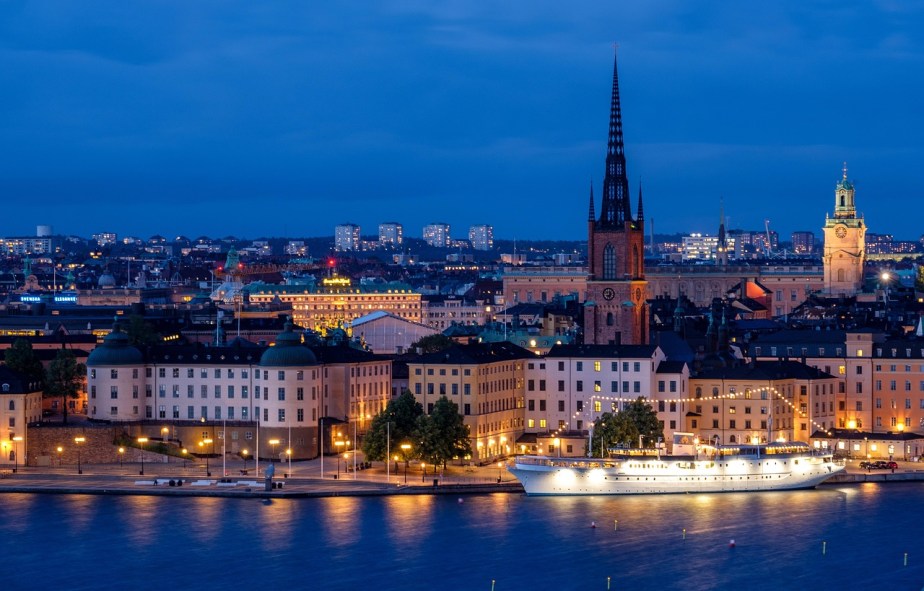
Brussels 13.06.2025 The 125 high-profile participants attending this year’s Bilderberg Meeting, which began on Thursday 13 June in Stockholm and runs until Sunday June 15.
The exclusive assembly brings together political leaders, business executives, and academics from both sides of the Atlantic for closed-door discussions under strict confidentiality rules.

https://platform.twitter.com/widgets.js

The Bilderberg Meeting guest list reflects the forum’s enduring role as a nexus of elite transatlantic influence, with participants drawn from the highest tiers of politics, business, academia, media, and technology.

Roughly one-third of the guests hold or have recently held top-level government roles, including sitting prime ministers–such as Finland’s Alexander Stubb and Greece’s Kyriakos Mitsotakis–Cabinet ministers, European commissioners, and high-ranking military officers from NATO and the US armed forces.

The presence of multiple European commissioners and current or former finance ministers underlines the group’s strong interest in economic governance and geopolitical stability.

Alongside them, major players from global business, such as the CEOs of Microsoft, Spotify, Citigroup, Deutsche Bank, TotalEnergies, and Pfizer, signal the continued interweaving of political decision-making and private sector interests.

The tech sector is particularly well represented, with figures such as Demis Hassabis of Google DeepMind, Mustafa Suleyman of Microsoft AI, and investor Peter Thiel indicating a growing focus on AI and defence innovation.

https://platform.twitter.com/widgets.js
Several prominent journalists and editors, including from The Economist, The New York Times and Bloomberg, suggest media remains a valued lens through which these elites interpret global trends, though under the Chatham House Rule, their participation is private rather than performative.

The inclusion of figures like Applebaum and Stacey Abrams adds transatlantic political-cultural depth, while the involvement of Polish figures such as Sikorski and entrepreneur RafaƂ Brzoska reflects the region’s increasing visibility in Euro-Atlantic strategic discourse.

The only Russian invited is Alexander Gabuev, the head of the Carnegie Russia Eurasia Center at the Carnegie Endowment for International Peace, an institution banned by the Kremlin in 2022.

https://platform.twitter.com/widgets.js

The meeting is taking place at Stockholm’s prestigious Grand Hîtel, which has been cordoned off by police since Tuesday in anticipation of protests.

The hotel, owned by the influential Wallenberg family, has blocked reservations for the duration of the event, echoing similar security steps taken ahead of Barack Obama’s 2013 visit to Sweden.

This year’s agenda includes topics such as transatlantic relations, the future of Ukraine, the US and European economies, the Middle East, and the so-called “authoritarian axis” of Russia, China, Iran and North Korea.

Discussions will also explore defence innovation, artificial intelligence and national security, energy geopolitics, and global migration trends.

Founded in 1954, the Bilderberg Meeting aims to promote informal dialogue between Europe and North America.

Around two-thirds of participants come from Europe, with the rest from North America. Roughly a quarter are active in politics and government, while the majority represent business, media, academia, and other sectors.

All discussions are held under the Chatham House Rule, which allows participants to use the information shared but prohibits identifying speakers or their affiliations.
This year agenda includes:

12 June – 15 June 2025 Stockholm, Sweden
Transatlantic Relationship
Ukraine
US Economy
Europe
Middle East
Authoritarian Axis
Defence Innovation and Resilience
AI, Deterrence and National Security
Proliferation
Geopolitics of Energy and Critical Minerals
Depopulation and Migration

The private format, there are no press briefings, resolutions, or official statements, has long fuelled speculation and conspiracy theories about the group’s influence.

However, organizers maintain that the event provides a rare space for candid, off-the-record exchange among global decision-makers, and the guest list is publicly available on the group’s website.

Stockholm, 12 – 15 June participants list:

Abrams, Stacey (USA), CEO, Sage Works Production
Albuquerque, Maria LuĂ­s (INT),
EU Commissioner Financial Services and the Savings and Investments Union

AlcĂĄzar Benjumea, Diego del (ESP), CEO, IE University
AlverĂ , Marco (ITA), Co-Founder, zhero.net; CEO TES
Andersson, Magdalena (SWE), Leader, Social Democratic Party
Applebaum, Anne (USA), Staff Writer, The Atlantic
Attal, Gabriel (FRA), Former Prime Minister
Auchincloss, Murray (CAN), CEO, BP plc
Baker, James H. (USA), Former Director, Office of Net Assessment, Department of Defense
Barbizet, Patricia (FRA), Chair and CEO, Temaris & Associés SAS
Barroso, José Manuel (PRT), Chair International Advisors, Goldman Sachs International
Baudson, Valérie (FRA), CEO, Amundi SA
Beleza, Leonor (PRT), President, Champalimaud Foundation
Birol, Fatih (INT), Executive Director, International Energy Agency
BotĂ­n, Ana (ESP), Group Executive Chair, Banco Santander SA
Bourla, Albert (USA), Chair and CEO, Pfizer Inc.
Brende, BĂžrge (NOR), President, World Economic Forum
Brunner, Magnus (INT), European Commissioner for Internal Affairs and Migration
Brzoska, Rafal (POL), CEO, InPost SA
Busch, Ebba (SWE), Minister for Energy, Business and Industry
Caine, Patrice (FRA), Chair & CEO, Thales Group
Calviño, Nadia (INT), President, European Investment Bank
Castries, Henri de (FRA), President, Institut Montaigne
Chambers, Jack (IRL), Minister for Public Expenditure, Infrastructure, Reform and Digitalisation
Champagne, François-Philippe (CAN), Minister of Finance and National Revenue
Clark, Jack (USA), Co-Founder & Head of Policy, Anthropic PBC
Crawford, Kate (USA), Professor and Senior Principal Researcher, USC and Microsoft Research
Donahue, Christopher (USA), Commander, US Army Europe and Africa
Donohoe, Paschal (INT), President, Eurogroup; Minister of Finance
Döpfner, Mathias (DEU), Chair and CEO, Axel Springer SE
Eberstadt, Nicholas N. (USA), Henry Wendt Scholar in Political Economy, AEI
Ek, Daniel (SWE), CEO, Spotify SA
Ekholm, Börje (SWE), CEO, Ericsson Group
Eriksen, Øyvind (NOR), President and CEO, Aker ASA
Feltri, Stefano (ITA), Journalist
Fentener van Vlissingen, Annemiek (NLD), Chair, SHV Holdings NV
Fraser, Jane (USA), CEO, Citigroup
Freeland, Chrystia (CAN), Minister of Transport and Internal Trade
Friedman, Thomas L. (USA), Foreign Affairs Columnist, The New York Times
Gabuev, Alexander (INT), Director, Carnegie Russia Eurasia Center
Hammer, Kristina (AUT), President, Salzburg Festival
Harrington, Kevin (USA), Senior Director for Strategic Planning, NSC
Hassabis, Demis (GBR), Co-Founder and CEO, Google DeepMind
Hedegaard, Connie (DNK), Chair, KR Foundation
Heinrichs, Rebeccah (USA), Senior Fellow, Hudson Institute
Heraty, Anne (IRL), Chair, Sherry Fitzgerald ana IBEC
Herlin, Jussi (FIN), Vice Chair, KONE Corporation
HernĂĄndez de Cos, Pablo (ESP), General Manager Elect, Bank for International Settlements
Hobson, Mellody (USA), Co-CEO and President, Ariel Investments LLC
Hoekstra, Wopke (INT), European Commissioner for Climate, Net Zero and Clean Growth
Hunt, Jeremy (GBR), Member of Parliament
Isla, Pablo (ESP), Vice-Chair, Nestlé SA
Johansson, Micael (SWE), President and CEO, Saab AB
Jonsson, Conni (SWE), Founder and Chair, EQT Group
Karp, Alex (USA), CEO, Palantir Technologies Inc.
Klöckner, Julia (DEU), President Bundestag
Kostrzewa, Wojciech (POL), President, Polish Business Roundtable
Kotkin, Stephen (USA), Senior Fellow, Hoover Institution, Stanford University
Kratsios, Michael (USA), Director, White House Office of Science and Technology Policy
Kravis, Henry R. (USA), Co-Founder and Co-Executive Chair, Kohlberg Kravis Roberts & Co.
Kudelski, André (CHE), Chair and CEO, Kudelski Group SA
Kuleba, Dmytro (UKR), Adjunct Professor, Sciences Po
Leeuwen, Geoffrey van (INT), Director Private Office of the Secretary General, NATO
Lemierre, Jean (FRA), Chair, BNP Paribas
Letta, Enrico (ITA), Dean, IE School of Politics, Economics & Global Affairs
Leysen, Thomas (BEL), Chair, dsm-firmenich AG
Lighthizer, Robert (USA), Chair, Center for American Trade
Liikanen, Erkki (FIN), Chair, IFRS Foundation Trustees
Lundstedt, Martin (SWE), CEO, Volvo Group
Marin, Sanna (FIN), Strategic Counsellor, Tony Blair Institute for Global Change
McGrath, Michael (INT), European Commissioner for Democracy, Justice and the Rule of Law
Mensch, Arthur (FRA), Co-Founder and CEO, Mistral AI
Micklethwait, John (USA), Editor-in-Chief, Bloomberg LP
Minton Beddoes, Zanny (GBR), Editor-in-Chief, The Economist
Mitsotakis, Kyriakos (GRC), Prime Minister
Monti, Mario (ITA), Senator for life
Nadella, Satya (USA), CEO, Microsoft Corporation

Netherlands, H.M. the King of the (NLD),

O’Leary, Michael (IRL), Group CEO, Ryanair Group
Ollongren, Kajsa (NLD), Fellow, Chatham House; Senior Fellow, GLOBSEC
Özyeğin, Murat (TUR), Chair, Fiba Group
Papalexopoulos, Dimitri (GRC), Chair, TITAN S.A.
Paparo, Samuel (USA), Commander, US Indo-Pacific Command
Philippe, Édouard (FRA), Mayor, Le Havre
Pouyanné, Patrick (FRA), Chair and CEO, TotalEnergies SE
Prokopenko, Alexandra (INT), Fellow, Carnegie Russia Eurasia Center
Rachman, Gideon (GBR), Chief Foreign Affairs Commentator, Financial Times
Rappard, Rolly van (NLD), Co-Founder and Chair, CVC Capital Partners
Reiche, Katherina (DEU), Minister of Economic Affairs and Energy
Ringstad Vartdal, Birgitte (NOR), CEO, Statkraft AS
Roche, Nicolas (FRA), Secretary General, General Secretariat for Defence and National Security
Rutte, Mark (INT), Secretary General, NATO
Salvi, Diogo (PRT), Co-Founder and CEO, TIMWE
Sawers, John (GBR), Executive Chair, Newbridge Advisory Ltd.
Scherf, Gundbert (DEU), Co-Founder and Co-CEO, Helsing GmbH
Schimpf, Brian (USA), Co-Founder & CEO, Anduril Industries
Schmidt, Eric E. (USA), Executive Chair and CEO, Relativity Space Inc
Schmidt, Wolfgang (DEU), Former Federal Minister for Special Tasks, Head of the Chancellery
Ơefčovič, Maroơ (INT), European Commissioner Trade and Economic Security;
Interinstitutional Relations and Transparency

Sewing, Christian (DEU), CEO, Deutsche Bank AG
Sikorski, Radoslaw (POL), Minister of Foreign Affairs
ƞimƟek, Mehmet (TUR), Minister of Finance
Smith, Jason (USA), Member of Congress
Stoltenberg, Jens (NOR), Minister of Finance
Streeting, Wes (GBR), Secretary of State for Health and Social Care
Stubb, Alexander (FIN), President of the Republic
Suleyman, Mustafa (USA), CEO, Microsoft AI
Summers, Lawrence (USA), Charles W. Eliot University Professor, Harvard University
Thiel, Peter (USA), President, Thiel Capital LLC
Toulemon, Laurent (FRA), Senior Researcher, INED
Uggla, Robert (DNK), Chair, A.P. MĂžller-Maersk A/S
Valentini, Valentino (ITA), Deputy Minister of Enterprise and Made in Italy
Vassy, Luis (FRA), Director, Sciences Po
Verhoeven, Karel (BEL), Editor-in-Chief, De Standaard
Wallenberg, Jacob (SWE), Chair, Investor AB
Wallenberg, Marcus (SWE), Chair, Skandinaviska Enskilda Banken AB
Weder di Mauro, Beatrice (CHE), President, Centre for Economic Policy Research
Weel, David van (NLD), Minister of Justice and Security
WilmĂšs, Sophie (INT), Vice-President, European Parliament
Zakaria, Fareed (USA), Host, Fareed Zakaria GPS
Zeiler, Gerhard (AUT), President, Warner Bros. Discovery International

Putin: was it an assassination attempt?

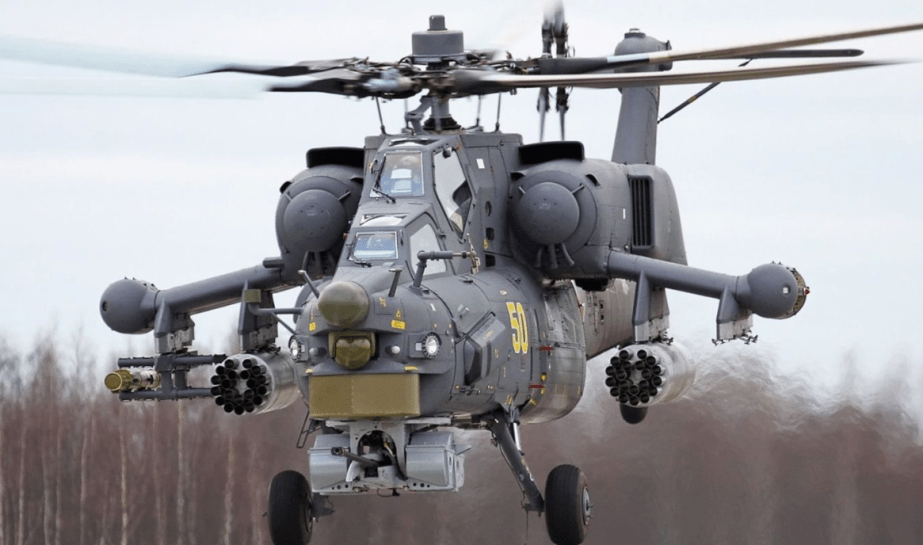
Brussels 26.05.2025 A Russian military commander of its air defense division claimed that President Vladimir Putin’s helicopter was “at the epicentre” of a Ukrainian drone attack on May 20, while travelling in Kursk oblast.

https://platform.twitter.com/widgets.js

“We were simultaneously engaged in an air defense battle and ensuring airspace security for the president’s helicopter flight. The helicopter was effectively at the epicenter of the response to the massive drone attack” Yury Dashkin said.

The claim, made five days after the alleged incident in Kursk Oblast, has not been independently verified. Dashkin provided no evidence to support the claim, and Russian authorities have not released further details.

https://platform.twitter.com/widgets.js

Putin’s visit to Kursk marked his first public trip to the region since Russian forces reclaimed most of the territory from Ukrainian control which was established there in August last year.

The incident raises question of the respect of the international law by Ukraine while attacking military target – the helicopter – in Kursk oblast, which is undisputable Russian territory. In international law, self-defense is the right of a state to use force in response to an armed attack. This right is recognized under Article 51 of the UN Charter and customary international law, which permits the use of force in self-defense when an armed attack occurs, according to the ICRC online casebook.
However the response must be necessary and proportional to the attack.

EU Media: Ursula’s Colonial remnants

Brussels 30.03.2025 During the hearing on the European Commission self-glorification “propaganda” the MEP Elisabeth DIERINGER ( @E_Dieringer_MEP ) said that she is concerned with the accumulating of accreditation refusals for independent journalists, who are not allowed to enter the institutions press-events.
The problem manifested itself during the second term of Ursula von der Leyen in a way it became visible to broader public. Less than modest presence of journalists during press-conferences can be perceived by a TV spectator as a lack of interest, however if one takes interest in the EU Commission accreditation rules an alternative vision of causes of this feeble presence occurs. It is also useful to remind that accreditation is a form of public control of the institutions performance.

https://platform.twitter.com/widgets.js

To receive the annual accreditation to the EU institutions: the press-centers of the European Commission, European Council, and the European Parliament, a journalist should be compliant with three criteria: become a resident of Belgium, regularly cover the EU affairs, and… pass the financial screening.

The financial screening is described as follows: “journalism must be the main source of income”, meaning a candidate should submit the totality of financial documents for last two years to an anonyms Committee composed by an unknown criteria, who will consider the entirety of the income, and pronounce their judgement. Within these rules, imposed by Ursula von der Leyen Commission two elements are especially striking, the request to submit the financial documents without any frame to guarantee proper handling of the private financial information; and anonymity of the “judges”.
@MCC_BrusselsThese Commission financial screening demands are at odds with the rights of media companies to keep the information about the fees to freelances confidential. Paradoxically Ursula von der Leyen has been ultra defensive regarding the grants of the European Commission to media companies, keeping the information as top secret, although thanks to the MCC ( @MCC_Brussels) report signed by Thomas Fazi, it became clear that tens, and hundreds of millions of public funds are distributed in undisclosed procedures to ensure positive coverage of the EU institution’s activities.

On the flipside is the submitting of the entirety of financial documents to Ursula von der Leyen Commission anonyms Committee without any obligation from their behalf to guarantee a minimum discretion. On contrary to tax authorities the Commission’s Committee doesn’t establish any regulatory frame in treating this external financial information.

The other aspect of the unusual among organizations request for financial screening of the income of the journalist is the basis of this initiative is rooted in Belgium Colonial history. In 1963 King Albert II signed a law, which was officially was designed to protect the status of journalist in the society, but in reality this piece of legislation to transform journalism into a price prohibitive profession, unattainable for Africans, who broke away from Empire. Nowadays in Belgium the situation is unchanged, and preserving the legislation-remnant of the other era.
However the European Commission as an international organization is not obliged to follow the suit, and replicated the rules based on Colonial era frustrations, and inhibitions.

https://commission.europa.eu/about/contact/press-services/media-accreditation_en

Nevertheless the most egregious element is not the totalitarian impulse of Ursula von der Leyen Commission to inspect pockets of journalists as such, but establishing the correlation between earning, ana professional status, which allows those journalists who receive generous grants from the Commission to be in the first ranks in this shrouded obscure scheme. Commission distributes grants, and than grants accreditation to financially successful recipients of their own generosity. What a travesty! Ultimus hypocrita omnis…
.

Zelenskyy frantic stunt in White House

Brussels 01.03.2025 Volodimir Zelenskyy should have come with an interpreter to the White House. His English is too rudimentary for a head of state. Unfortunately for Ukrainians he has no adequate assessment of his own skills, and capacities, which is not conducive to public good.

https://platform.twitter.com/widgets.js

Moreover Zelenskyy doesn’t not think, behave, and act as a President of a country. He looked like some obsessed WOKE ACTIVIST who broke through gates of White House, and was removed by agents to secure work environment.
The necessity to organize elections to return to democracy has never been so urgent in Ukraine as with this failed presidency. Elected due to promise of peace to his compatriots, Zelenskyy quickly mutated to “President of War” in his own words. His outfit, which causes raised brows, stands for incapacity to accept the grim realities: it is impossible to win this war, he is peddling with a remarkable insistence, omitting costs both in human lives, and resources channeled into production of lethal weapons.
It is time for elections in Ukraine to liberate the Ukrainian people from a showman, who can’t stop performing at world stage, confusing virtual reality, created by cameras with the grim realities of endless war his is so exited about. The frustrations outbursts of Zelenskyy in the White House revealed a comedian enjoying a spotlight at cost of a graveyards of young man, an aggressive Narcissist, playing a dream role of his life.
However Zelenskyy’ Harlequin mask have fallen during the White House stunt, revealing his tremendous deficiency of skills, and culture. The stunt which was a self-inflicted catastrophe. Nihilation of reputation.
The Ukrainian people deserve better. The need for elections of a President of Ukraine has become urgent.
The REAL FEEL: farewell to Harlequin !

EU: Ursula – Colonial syndrome

Brussels 26.02.2025 The second mandate of Ursula von der Leyen has been marked by a tight grip on press, covering the European Commission endeavors. The new rules for media accreditation are replicating the Belgium 1963 law defining the status of journalist during the crisis of the downfall of the Colonialism. Signed by the King Albert II in December 1963, the law remains a relic from a period of a further collapse of the Empire. The Belgian Congo, today DR Congo, ruled from 1908 to 1960, and Ruanda-Urundi, modern Rwanda and Burundi from 1922 to 1962, – became independent.

Obviously, after the proclamation of independence of the African colonies the desire of dominance of the Metropole didn’t extinguish, and the battle for the wealth went on, preventing newly liberated people from entering the political process in form of a debate on pages of the newspapers. The law signed by King Albert II formally defending a status of a professional journalist in Belgium in reality was transforming journalism in a cost-prohibitive occupation.

Nowadays in Belgium the law is still valid, and the status of a professional journalist, and the relevant press card are obtained after the revenue scrutiny by the Committee, which is composed upon the direct orders of the King.
The title of a “professional journalist” is awarded by an official Approval Commission, composed equally of professional journalists and media directors. The members of the commission are appointed by royal decree” reads the announcement on the site of the Belgium Association of the Professional Journalists. https://www.ajp.be/la-loi-relative-au-titre-de-journaliste-professionnel/

Clearly, all of them the loyalists of the Crown. However, only loyalism is not suffice. As the Association of the professional journalists announces, the candidate for the statues has to present to the incognito Committee the integrity of the revenues, manifesting that the journalism is the major source of income.

A candidate should provide among the other documents a copy of the employment CONTRACT, or for freelancers: a proof of RENUMERATION – invoices, tax forms, etc. for the two-year period.

Taking into consideration mentioned above a contributor has no chance to obtain a status of a “professional journalist”, because it is not a number of articles, or success among readership, or other qualities, as for example a quotation index that counts. It is all about revenue, the capacity to sell the info product, resulting in a handsome income to impress the incognito loyalists in the Committee.
Doesn’t look too independent, neither modern in the Age of the Fourth Industrial Revolution, however this system is still effective in filtering the authors who are at odds with the mass-media system unable to sell. The professional journalist in Belgium is the one who is able to successfully merchandise his info product, which makes money the only measurement of a professional success, and opens doors for a professional affiliation.

More than half-a-century later Belgium 1963 law, protecting professional journalist status, or in reality filtering all the descent, narrating the uncomfortable truth which is not always suitable for sale, got second life thanks to Ursula von der Leyen. One can notice to what extend she takes the re-cycling seriously!

Skillfully von der Leyen replaces the Monarch in this new Commission accreditation rules, and the role of the former Colonies subjects is offered  to the EU journalists, who should proof that they are successful in merchandising their information products. The situation is even more ambivalent because the Commission refuses to issue a list of mass-media enjoying Ursula von der Leyen generosity, manifesting itself in lavish grants. As it was revealed in the MCC report by Thomas Fazi some of the recipients of the Commission “support” as the EuroNews TV Channel through years received hundreds millions omitting to inform the audiences about it.

https://platform.twitter.com/widgets.js
Exactly as in Belgium 1963 law the Committee, attributing the accreditation, is formed by Ursula von der Leyen Commission. The composition of the Committee, the names of journalists, or media they are representing is unknown. Incognito. Do the incognito members of the selection Committee enjoy grants from the Commission? Unknown. What are the rules for handling the presented financial documents? Unknown. 

However to obtain the European Commission accreditation  “Journalism must be their main source of income”, and for that purpose all the integrity of the revenues of a candidate should be presented for the scrutiny by unknown individuals, probably sponsored by the very Commission to buy their loyalty. 
Patrons and clients. 

https://platform.twitter.com/widgets.js

Emily O’Reilly, a former journalist, who served till recent as the EU Ombudsman said that her ambition was to “support the EU institutions in becoming more effective, transparent and accountable”, however by the end of her two terms she acknowledged with sadness in a podcast that she was “never at ease” with the “powerful consiglieri” from the Commission president’s cabinet. “Consiglieri” is a specific term used to describe a position in mafia structure in Sicily or Calabria, clearly used in this context intentionally.

EU further restricts freedom of speech

Brussels 24.02.2025 The EU Commission cheered the Council’s adoption of the 16th Russia sanctions package aligned with the III year anniversary of the Russia-Ukraine war, including ban of a number of Russian mass media outlets.

https://platform.twitter.com/widgets.js

“As Russia’s illegal aggression enters its fourth year, this package is designed to further ramp up pressure on the aggressor and is part of the EU’s unwavering commitment to a just and lasting peace for Ukraine” reads the official text.
“In the 16th package, the EU has extended the prohibition to broadcast content to 8 Russian media outlets (EADaily, Fondsk, Lenta, NewsFront, RuBaltic, SouthFront, Strategic Culture Foundation and Krasnaya Zvezda) because these are under the permanent control of the Russian leadership and systematically participate in spreading misinformation and propaganda, which constitutes a threat to the Union’s public order and security” the reads the text of EU Commission Q&A page.
The explanation resonates with the words of the U.S. Vice-President J.D.Vance at Munich Security Conference: “…Now, to many of us on the other side of the Atlantic, it looks more and more like old, entrenched interests hiding behind ugly, Soviet-era words like “misinformation” and “disinformation,” who simply don’t like the idea that somebody with an alternative viewpoint might express a different opinion, or, God forbid, vote a different way, or, even worse, win an election”.
However the acknowledgment of mistakes, and admitting the failures are the most complicated mechanisms of human psychology, often causing well-known effect of “continuation of investment in failure”, which is both costly, and irrational waste of precious resources, including time.
The initial decision to cut off Russia Today TV channel in breach of the Lisbon Treaty Article 11 (
https://fra.europa.eu/en/eu-charter/article/11-freedom-expression-and-information)
was a precedent to open the gates into Soviet-like era of repression of freedom of speech, which later became normalized, and shifted from periphery to the centre, becoming the major instrument of dealing with the opponents – shut down. Unfortunately the pattern causes the irreparable damages to the EU project, indicating to lack of arguments, and deficiency of moral high ground.

Yemen: realities and misconceptions

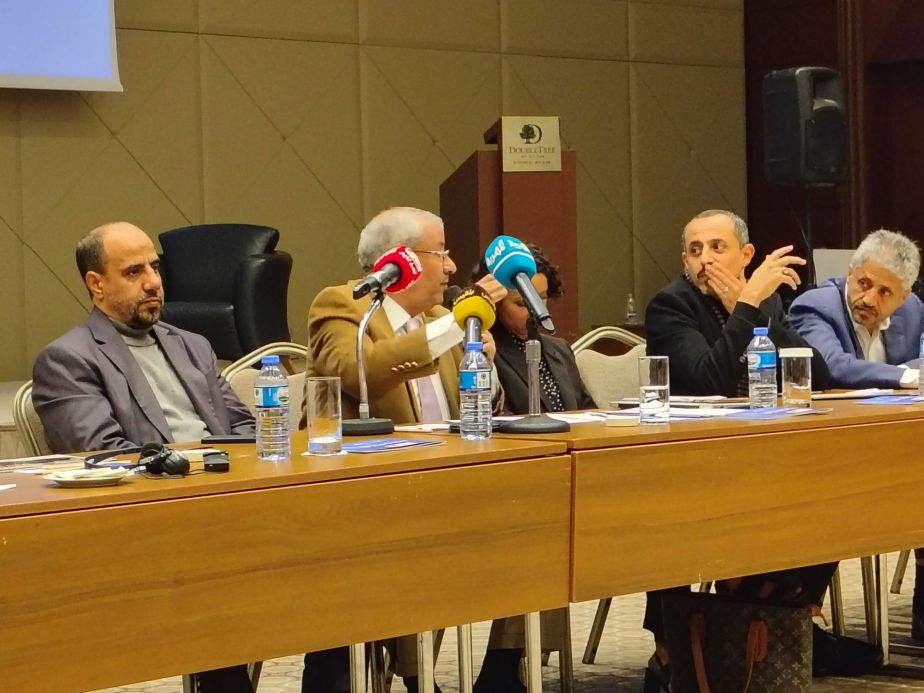
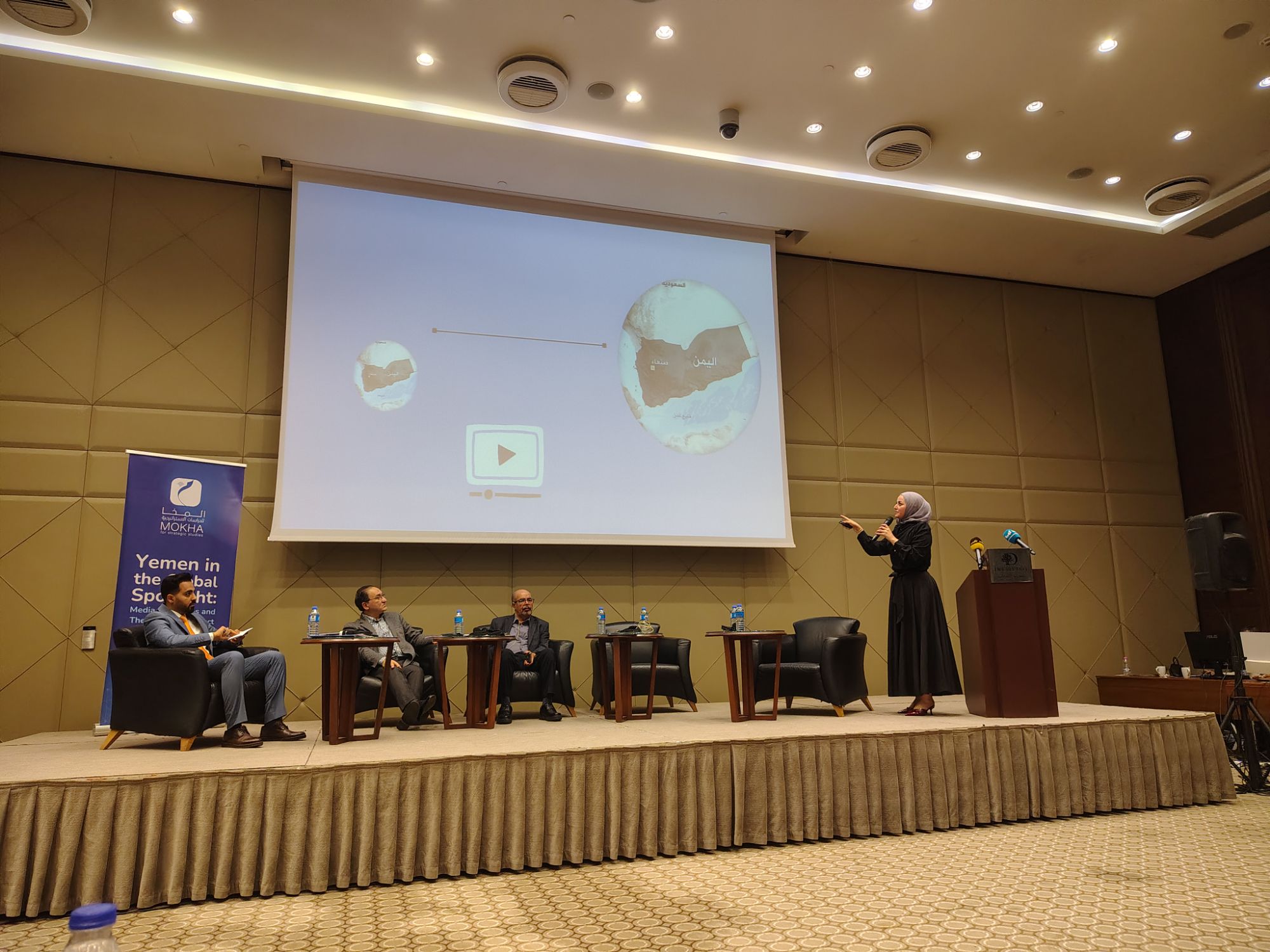
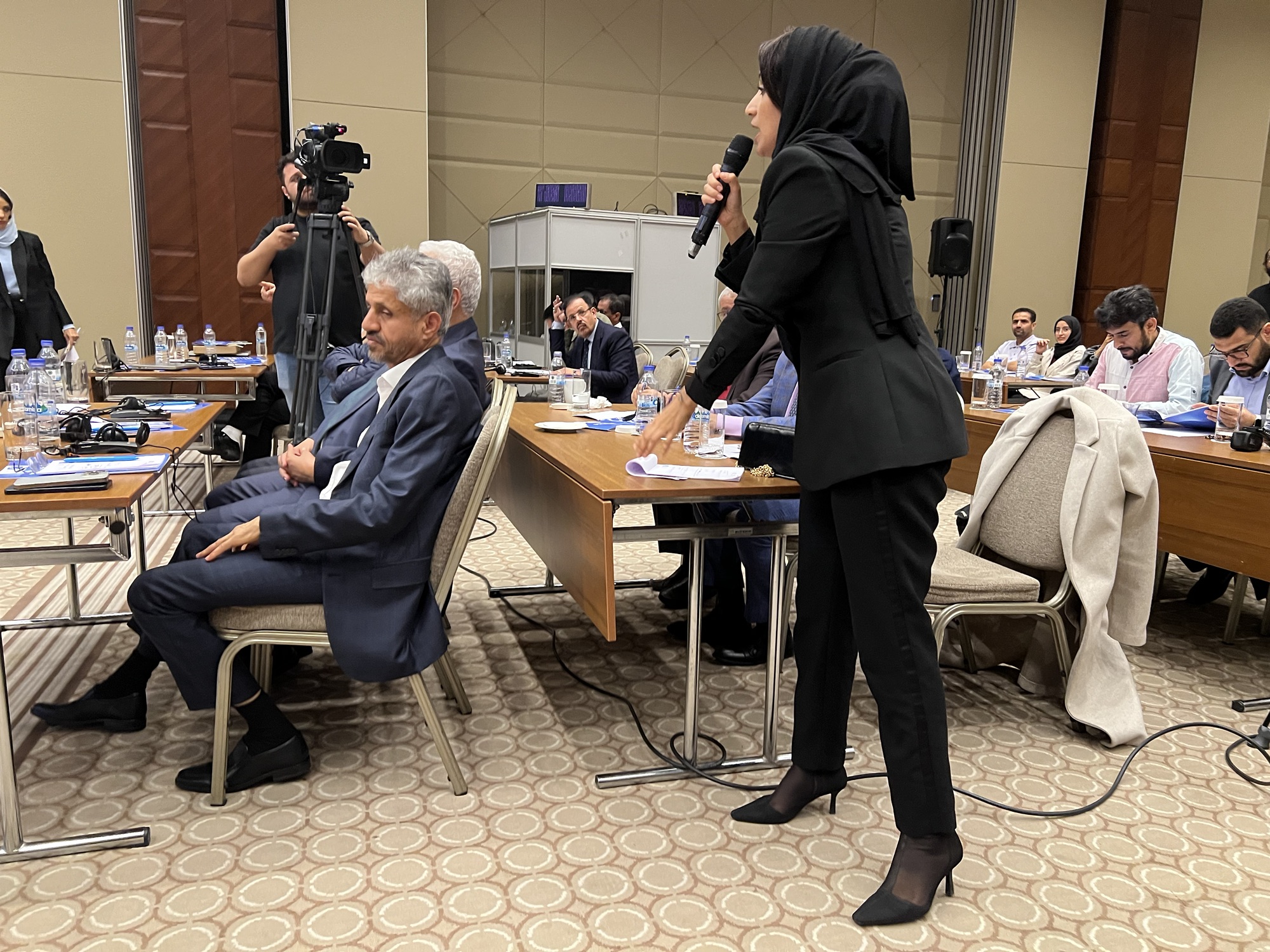
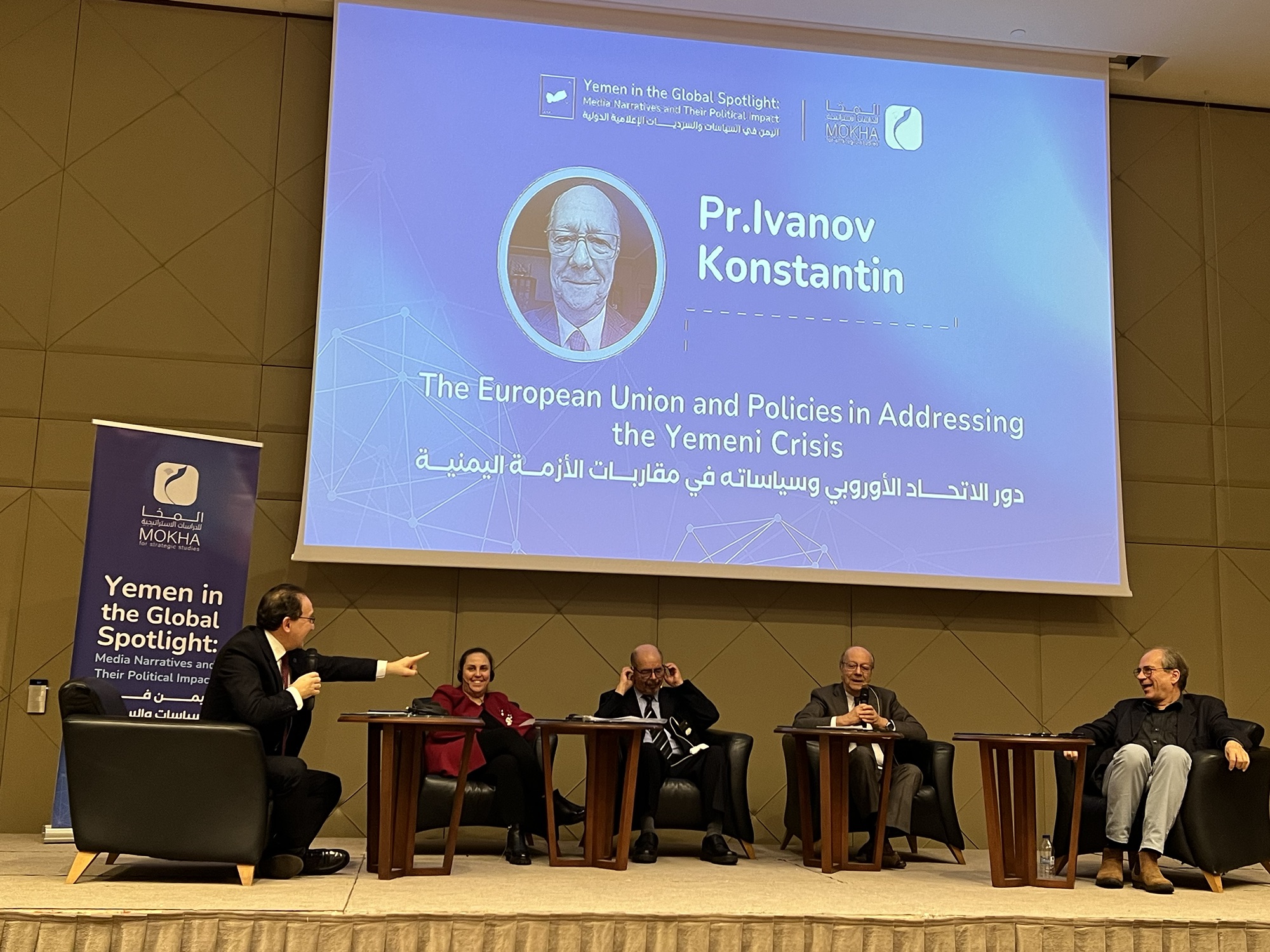
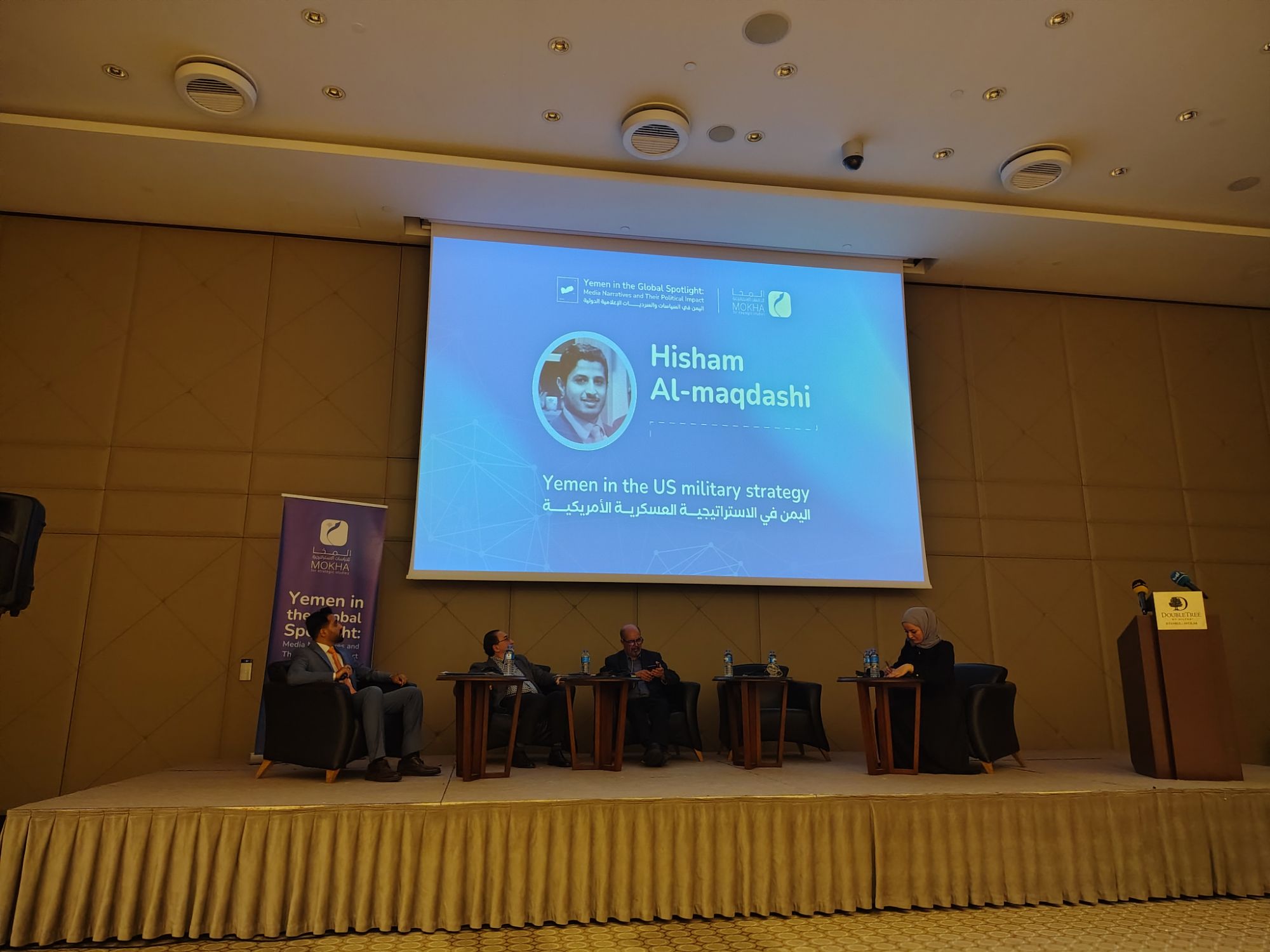
Istanbul 30.11.2024 At present the major focus of Russian media shifted from the ongoing internal conflict devastating the Yemeni society to the impact of the Houthi rebels storming the international stage with their political ultimatum to the Israeli government. The new profile of the Houthis as an ambitious, and reckless force on international stage, has defined their status as a world-class negative influencer. The violent attacks on the maritime transport in Red sea, and heavy economic toll on trade, especially for Europe, overshadowed the ongoing clashes between the Houthi rebels, and the Saudi coalitions, backed by Yemen’s internationally recognized government.

img_20241129_115835370_hdr6610784272087578829
Recent International Criminal Court arrest warrants to Israel Prime Minister Benjamin Netanyahu and former Defense Minister Yoav Gallant for war crimes and crimes against humanity in the Gaza Strip placed Houthis on the progressive side of the political avenue, which significantly complicated the search for the peace settlement within Yemen society.

Previously dialogue between the Houthis and Saudi Arabia, along with Iranian-Saudi rapprochement, has inspired hope for a negotiated solution for Yemen.

Unfortunately, the talks were marred by violence, and have not risen up to the expectations. Meanwhile the Southern Transitional Council (STC) has also renewed clams for an independent southern Yemeni state, casting a long shadow on peace prospects. Even more alarming became al-Qaeda Arabian Peninsula (AQAP) teaming with the Houthis. According to a report by UN experts, the two terrorist groups agreed to overlook their differences, and focus on weakening the Yemeni internationally recognized government.

These recent trends are reflected in Russian media, pointing to the Houthi movement as highly unpredictable, volatile, and unreliable force. Although it has gone through several stages both in structure and ideology, the only constant trend is its permanent fluidity, perceived as chronic instability, and dangerous mutations mentioned above, transforming Houthis into a grouping where the ideology, and subsequent strategies are replaced by political adventurism, eroding to terrorism. Subsequently the beginning of this year the U.S. State Department had no other choice than accept the new realities, and announced Ansarallah, commonly referred to as the Houthis, as a “Specially Designated Global Terrorist group”.

Following the suit, Russian media much more reserved, predicting that the movement will continue mutations, adapting to the changing environment, which makes impossible to project the ultimate result in ideological and political terms. Containing elements of a national-patriotic, religious, and political movement, Houthis accumulated a considerable weight in the eyes of the followers, referring in each specific context to a particular fragment of the movement, sensitive to a particular aspect.

At the same time, Russian government has managed till recently to maintain dialogue with all the main participants in the Yemeni conflict. Diplomats regularly engage in discussions with representatives of the internationally recognized Presidential Governance Council (PGC), the separatist Southern Transitional Council (STC), and the former ruling General People’s Congress (GPC) party, which has now entered into a coalition with the Houthis.

img_1384

Although the Wall Street Journal (WSJ) reported that Russia transmitted satellite data via Iran to Yemen’s Houthis, which they used to attack ships in the Red Sea, they were citing anonymous sources, and did not offer any tangible proof. A Kremlin spokesperson said he was not familiar with the contents of the publication, and declined any comment. However, according to a journalistic investigation conducted by the WSJ editorial board, the Russian authorities were thus helping Yemen’s Houthis to carry out more accurate strikes on Western ships. The experts explained the episodes as the symmetric answer to the U.S. and the allies for assisting the Ukrainian troops with the satellite information for the relevant attacks.

img_1379

For a long time, Russia tried to take an equidistant position in relations with the participants in the Yemeni conflict. Nevertheless Russian military advisers are engaged in the Houthi-controlled capital Sanaa, and Russian diplomats do not rule out the future shipments of weapons to the rebels. However till now Russia is reluctant to transfer missiles and other weapons to the Houthis, preferring to maintain functional relations with Saudi Arabia, CNN reports. However by no means the Russian government position towards Houthis is altruistic. Just a few days before the full-scale invasion to Ukraine, the Houthis issued the “recognition of Donetsk and Luhansk as independent Republics.”

img_20241129_114352664_hdr1710045161123171694

Meanwhile, the humanitarian crisis has aggravated: 21.6 million people need aid, including 11 million children, and more than 4.5 million are displaced. Surprisingly, instead of the care for the vital needs of the population, the Houthi authorities have drastically expanded restrictions against women’s movement in their territories since taking control of Sanaa, and much of northern Yemen in the last nine years. The same time Yemeni government forces and STC have restricted women’s movement in the south.

Subsequently the sharp criticism of Human rights organizations has been focused on lack of efforts from the behalf of the warring parties to insure the access of population to the basic necessities, as food, and clean water. Instead they have been raising barriers to women’s freedom of movement, which aggravated their dire situation further. These restrictions have a highly negative impact on women’s lives and impedes their ability to receive health care, pay family visits. It also have a negative effect on women’s education, and employment. Although legally Yemen women are not prohibited to work, the multiple impediments, including the recent ones, do not allow to implement the formally existing opportunities into practice. The human rights defenders lament that the Constitutional rights of the Yemeni women have been not implemented in spite of being clearly articulated in the unification Constitution in Articles 40, and 41: “Every citizen has the right to participate in the political, economic, social and cultural life of the country.”

The UN reporters are increasingly concerned about the situation of Yemeni women, and girls. Women and girls are 49% of the 18.2 million people in need of humanitarian assistance, and face food insecurity, water shortages, disease, lack of access to basic life-saving services, such as health care and education, poverty and deprivation of economic opportunities, and systematic exclusion and suppression of their rights.

Withing the population of 6.3 million Yemeni women and girls are at heightened risk of gender-based violence, including domestic and sexual violence, and many have been forced to resort to extreme coping mechanisms, including forced and early marriage, with over 30% of girls married by the age of 18. Women and girls from minorities and marginalized groups, including the Muhamasheen and Baha’i, are further disproportionately impacted. Muhamasheen women and girls are increasingly subjected to targeted attacks, including sexual violence, torture, and exploitation, the UN experts say.

Women’s human rights, particularly their freedom of movement, are heavily restricted by all the warring parties in Yemen. The imposition of a mahram, dress codes, and restrictions on freedom of expression, especially in Houthi-controlled areas, impede women’s ability to develop, to learn, to work, including in the humanitarian sector, to access healthcare, and to participate in public life. These policies are clearly not conducive to public good, as the UN experts insist, indicating to scientific research results indicating that the women’s economic empowerment has a healing effect on well-being in communities locally, and for the society in general. Empowering women, and promoting gender equality is crucial to enhance economic development and achieving more harmonious societies, which are crucial elements in preventing armed conflicts.

The increasing efforts to fortify conflict prevention by engaging women in various aspects of society life, including the positions of power, are reflected in the passage of United Nations Security Council Resolution 1325 in October 2000, which “urges Member States to ensure increased representation of women at all decision-making levels in national, regional and international institutions and mechanisms for the prevention, management, and resolution of conflict.”

The mentioned above leads to conclusion that the entire potential of Yemeni women, as a powerful force for the conflict resolution, and harmonization of the society with a view on development, and prosperity, has not been released yet. Since 2006, Yemen ranks as the lowest in the world for gender equality; maintaining the 142th place of 142 countries in the Global Gender Gap report.

img_20241129_150948714_hdr1612079489981499157

Nowadays when the risk of renewed active hostilities in Yemen is high, especially taking into consideration the Houthis’ ravaging in the Red Sea, attacking the merchant vessels. The strikes caused 300% raise in price of shipments, and subsequent efforts of the U.S., the UK, and Israel to restore the safety of navigation by military means. This tough response further aggravated the situation, causing collateral damage to civilians, already exhausted by the long, and cruel civil war. This multifaceted tumultuous situation might influence a decision for a new campaign of the Houthis to the South in attempt to take the territories under control.
Within this dangerous prospect the efforts for peaceful resolution should be doubled, including engagement of all interested members of the society, especially those who were unjustly overlooked as millions of Yemeni women.

Russia breaks CITES Convention and indulges in wildlife trade

Strasbourg 23.10.2024 The atrocious death of Taigan safari-zoo keeper Leocadia Perevalova, 41, mauled by lions on October 16 caused serious concerns about the “pocket of lawlessness” in Russia-controlled Crimea, where along with the breach of security, sanitary norms, the illegal trade in big cats flourishes, breaching Russia’s government obligation imposed by the CITES Convention. Apparently after the second death of an employee of the safari-park in suspicious circumstances, the catastrophic lack of security measures came to public attention, leading further to a shocking discovery of the intentional character of the irregularities, covering the shady wildlife trade.

The founder, and the owner of the parc Oleg Zoubkov, who at times claimed that he is just an ordinary guide in the parc, attempting to avoid the responsibility for the systemic neglect of public safety, has already announced that the death of Perevalova was a result of omitting the rules, and “forgetting” to close the lock of the lion’s cage. However the animal rights activists have pointed to many contortions in Zoubkov statement, which contradict the official information from the ongoing investigation, namely five hours pause between discovering of a dead body of the keeper to calling police.

The activists, and civil journalists confirmed that they have been attempting to draw the attention of the authorities to the catastrophic situation in the parc for many years. The breach of basic safety rules is obvious, so is the total neglect of sanitary obligations: in the park hosting around 1500 wild animals there is no one single veterinary specialist!
The only vet, visiting park upon request, comes from the city of Simferopol – 50 km away, and offers services free off charge, being a founder of animal charity “Fauna Blago” to help animals in need.
Furthermore there is nobody monitoring the health of animals, and even their numbers are kept unknown to facilities the illegal trade. The activists were raising the issue of uncontrolled animal reproduction, and vanishing of lion’s and tiger’s cubs used for adverting of the park.

Recently the fate of a lion’s cub Sherkhan attracted attention of the activists: “…Let us recall that the cub Sherkhan was transferred to Crimea by a businessman from Donetsk in mid-November. The lion cub was given to him as a birthday present. A whole room was set up for the little predator. He was kept in excellent conditions, grew up affectionate and friendly. But at one fine moment the man realized that the king of beasts is not a house toy, and brought his pet to “Taigan” writes Russian tabloid KP.ru (VIDEO of Zoubrov advertising Sherkhan lion cub below)

In spite of being from unknown origin, Sherkhan was sold to notorious Harbin Zoo, China, in breach of the CITES convention. The activists point at the bragging of Zoubkov, being proud of responding to high demand for “Russian lions” internationally for private zoos, and circuses, advertising, photo-shooting etc. Animal welfare groups demand the independent investigation of the situation, claiming that the local authorities in Crimea are totally corrupt, and enjoy their “fair share” in illegal big cats trade. The workers of the park, tell stories of cruelty, and also inbreeding of lions, and tigers, describing the safari park as a cover for illegal farming and trade in big cats. So far the demands of the activists have fallen on deaf ears. Local authorities, and law enforcement simulate activities, in reality allowing the big cats farming to prosper, transforming Crimea into a platform for illegal wildlife trade.
(VIDEO of Harbin zoo lions in winter below)

The Russian Federation joined CITES in January 1992 through the continuation of its membership as part of the former USSR and was elected to serve as a regional member on the CITES Standing Committee at CITES CoP17.