
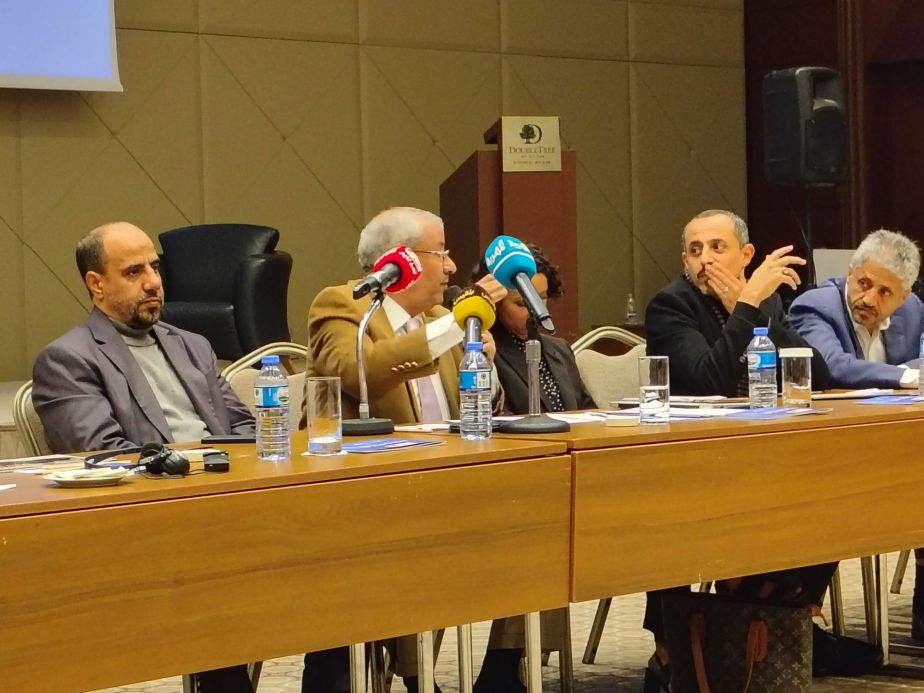
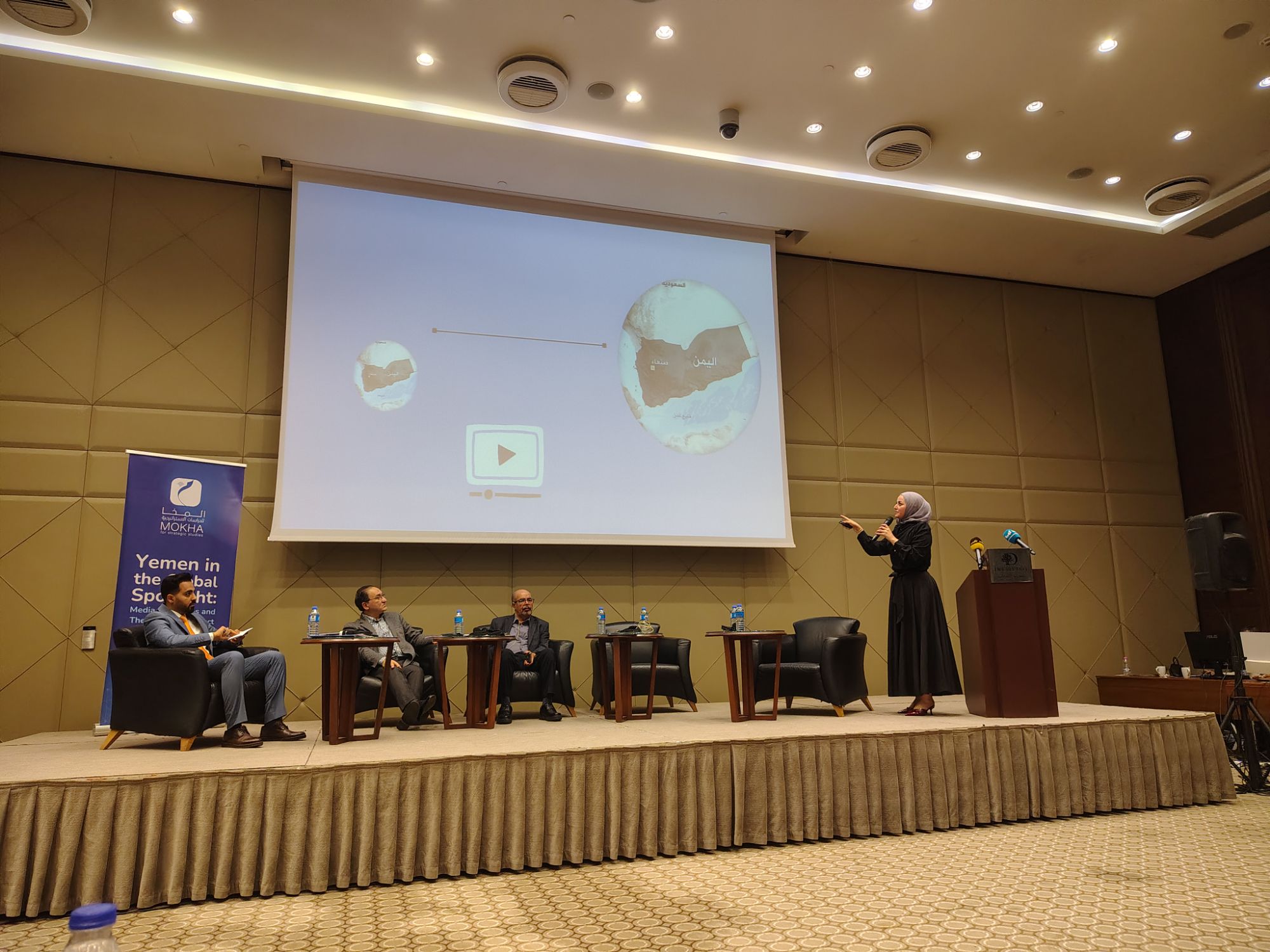
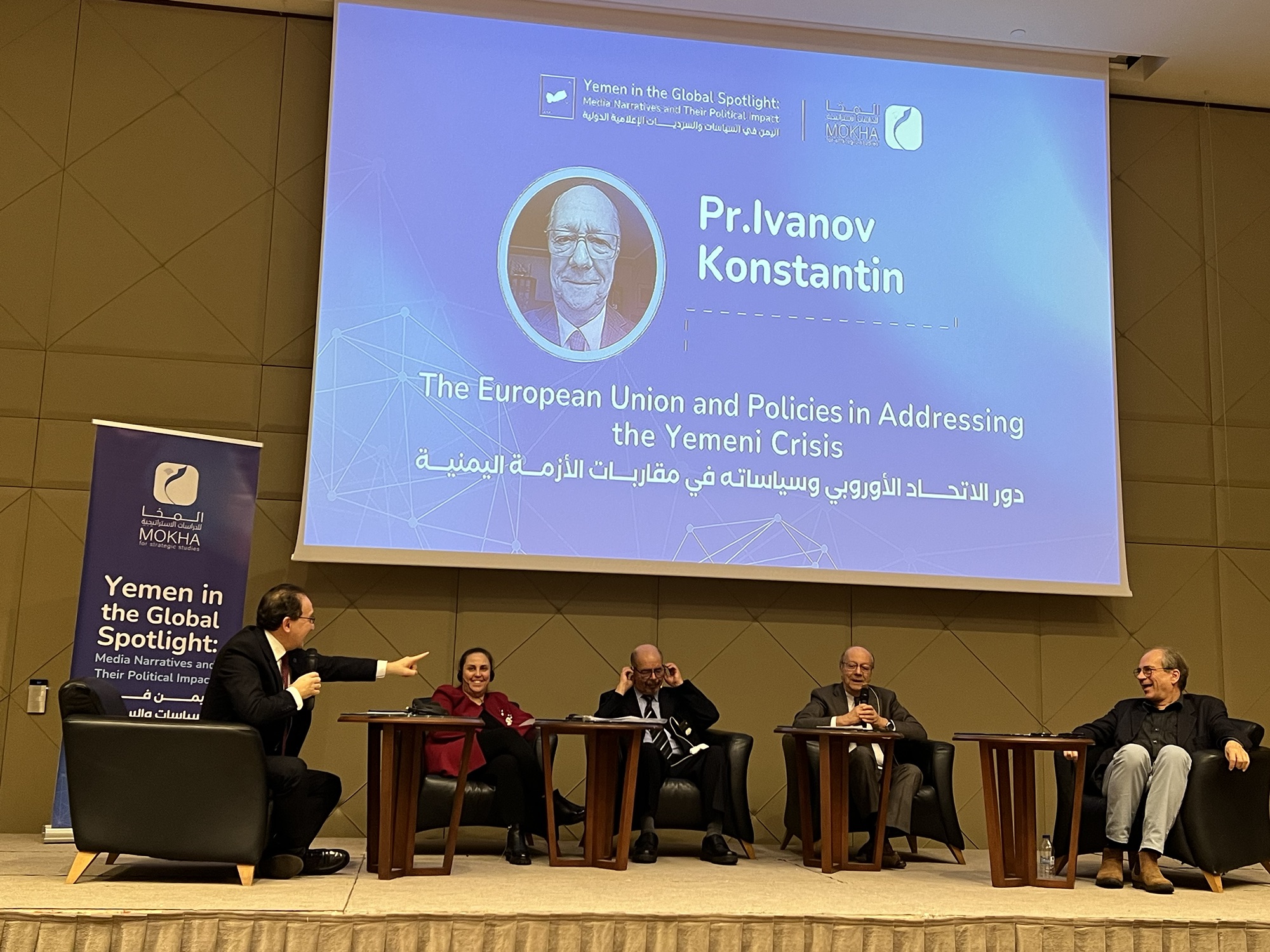
Istanbul 30.11.2024 At present the major focus of Russian media shifted from the ongoing internal conflict devastating the Yemeni society to the impact of the Houthi rebels storming the international stage with their political ultimatum to the Israeli government. The new profile of the Houthis as an ambitious, and reckless force on international stage, has defined their status as a world-class negative influencer. The violent attacks on the maritime transport in Red sea, and heavy economic toll on trade, especially for Europe, overshadowed the ongoing clashes between the Houthi rebels, and the Saudi coalitions, backed by Yemen’s internationally recognized government.
Recent International Criminal Court arrest warrants to Israel Prime Minister Benjamin Netanyahu and former Defense Minister Yoav Gallant for war crimes and crimes against humanity in the Gaza Strip placed Houthis on the progressive side of the political avenue, which significantly complicated the search for the peace settlement within Yemen society.
Previously dialogue between the Houthis and Saudi Arabia, along with Iranian-Saudi rapprochement, has inspired hope for a negotiated solution for Yemen.
Unfortunately, the talks were marred by violence, and have not risen up to the expectations. Meanwhile the Southern Transitional Council (STC) has also renewed clams for an independent southern Yemeni state, casting a long shadow on peace prospects. Even more alarming became al-Qaeda Arabian Peninsula (AQAP) teaming with the Houthis. According to a report by UN experts, the two terrorist groups agreed to overlook their differences, and focus on weakening the Yemeni internationally recognized government.
These recent trends are reflected in Russian media, pointing to the Houthi movement as highly unpredictable, volatile, and unreliable force. Although it has gone through several stages both in structure and ideology, the only constant trend is its permanent fluidity, perceived as chronic instability, and dangerous mutations mentioned above, transforming Houthis into a grouping where the ideology, and subsequent strategies are replaced by political adventurism, eroding to terrorism. Subsequently the beginning of this year the U.S. State Department had no other choice than accept the new realities, and announced Ansarallah, commonly referred to as the Houthis, as a “Specially Designated Global Terrorist group”.
Following the suit, Russian media much more reserved, predicting that the movement will continue mutations, adapting to the changing environment, which makes impossible to project the ultimate result in ideological and political terms. Containing elements of a national-patriotic, religious, and political movement, Houthis accumulated a considerable weight in the eyes of the followers, referring in each specific context to a particular fragment of the movement, sensitive to a particular aspect.
At the same time, Russian government has managed till recently to maintain dialogue with all the main participants in the Yemeni conflict. Diplomats regularly engage in discussions with representatives of the internationally recognized Presidential Governance Council (PGC), the separatist Southern Transitional Council (STC), and the former ruling General People’s Congress (GPC) party, which has now entered into a coalition with the Houthis.
Although the Wall Street Journal (WSJ) reported that Russia transmitted satellite data via Iran to Yemen’s Houthis, which they used to attack ships in the Red Sea, they were citing anonymous sources, and did not offer any tangible proof. A Kremlin spokesperson said he was not familiar with the contents of the publication, and declined any comment. However, according to a journalistic investigation conducted by the WSJ editorial board, the Russian authorities were thus helping Yemen’s Houthis to carry out more accurate strikes on Western ships. The experts explained the episodes as the symmetric answer to the U.S. and the allies for assisting the Ukrainian troops with the satellite information for the relevant attacks.
For a long time, Russia tried to take an equidistant position in relations with the participants in the Yemeni conflict. Nevertheless Russian military advisers are engaged in the Houthi-controlled capital Sanaa, and Russian diplomats do not rule out the future shipments of weapons to the rebels. However till now Russia is reluctant to transfer missiles and other weapons to the Houthis, preferring to maintain functional relations with Saudi Arabia, CNN reports. However by no means the Russian government position towards Houthis is altruistic. Just a few days before the full-scale invasion to Ukraine, the Houthis issued the “recognition of Donetsk and Luhansk as independent Republics.”
Meanwhile, the humanitarian crisis has aggravated: 21.6 million people need aid, including 11 million children, and more than 4.5 million are displaced. Surprisingly, instead of the care for the vital needs of the population, the Houthi authorities have drastically expanded restrictions against women’s movement in their territories since taking control of Sanaa, and much of northern Yemen in the last nine years. The same time Yemeni government forces and STC have restricted women’s movement in the south.
Subsequently the sharp criticism of Human rights organizations has been focused on lack of efforts from the behalf of the warring parties to insure the access of population to the basic necessities, as food, and clean water. Instead they have been raising barriers to women’s freedom of movement, which aggravated their dire situation further. These restrictions have a highly negative impact on women’s lives and impedes their ability to receive health care, pay family visits. It also have a negative effect on women’s education, and employment. Although legally Yemen women are not prohibited to work, the multiple impediments, including the recent ones, do not allow to implement the formally existing opportunities into practice. The human rights defenders lament that the Constitutional rights of the Yemeni women have been not implemented in spite of being clearly articulated in the unification Constitution in Articles 40, and 41: “Every citizen has the right to participate in the political, economic, social and cultural life of the country.”
The UN reporters are increasingly concerned about the situation of Yemeni women, and girls. Women and girls are 49% of the 18.2 million people in need of humanitarian assistance, and face food insecurity, water shortages, disease, lack of access to basic life-saving services, such as health care and education, poverty and deprivation of economic opportunities, and systematic exclusion and suppression of their rights.
Withing the population of 6.3 million Yemeni women and girls are at heightened risk of gender-based violence, including domestic and sexual violence, and many have been forced to resort to extreme coping mechanisms, including forced and early marriage, with over 30% of girls married by the age of 18. Women and girls from minorities and marginalized groups, including the Muhamasheen and Baha’i, are further disproportionately impacted. Muhamasheen women and girls are increasingly subjected to targeted attacks, including sexual violence, torture, and exploitation, the UN experts say.
Women’s human rights, particularly their freedom of movement, are heavily restricted by all the warring parties in Yemen. The imposition of a mahram, dress codes, and restrictions on freedom of expression, especially in Houthi-controlled areas, impede women’s ability to develop, to learn, to work, including in the humanitarian sector, to access healthcare, and to participate in public life. These policies are clearly not conducive to public good, as the UN experts insist, indicating to scientific research results indicating that the women’s economic empowerment has a healing effect on well-being in communities locally, and for the society in general. Empowering women, and promoting gender equality is crucial to enhance economic development and achieving more harmonious societies, which are crucial elements in preventing armed conflicts.
The increasing efforts to fortify conflict prevention by engaging women in various aspects of society life, including the positions of power, are reflected in the passage of United Nations Security Council Resolution 1325 in October 2000, which “urges Member States to ensure increased representation of women at all decision-making levels in national, regional and international institutions and mechanisms for the prevention, management, and resolution of conflict.”
The mentioned above leads to conclusion that the entire potential of Yemeni women, as a powerful force for the conflict resolution, and harmonization of the society with a view on development, and prosperity, has not been released yet. Since 2006, Yemen ranks as the lowest in the world for gender equality; maintaining the 142th place of 142 countries in the Global Gender Gap report.
Nowadays when the risk of renewed active hostilities in Yemen is high, especially taking into consideration the Houthis’ ravaging in the Red Sea, attacking the merchant vessels. The strikes caused 300% raise in price of shipments, and subsequent efforts of the U.S., the UK, and Israel to restore the safety of navigation by military means. This tough response further aggravated the situation, causing collateral damage to civilians, already exhausted by the long, and cruel civil war. This multifaceted tumultuous situation might influence a decision for a new campaign of the Houthis to the South in attempt to take the territories under control.
Within this dangerous prospect the efforts for peaceful resolution should be doubled, including engagement of all interested members of the society, especially those who were unjustly overlooked as millions of Yemeni women.
 Anna Van Densky blog