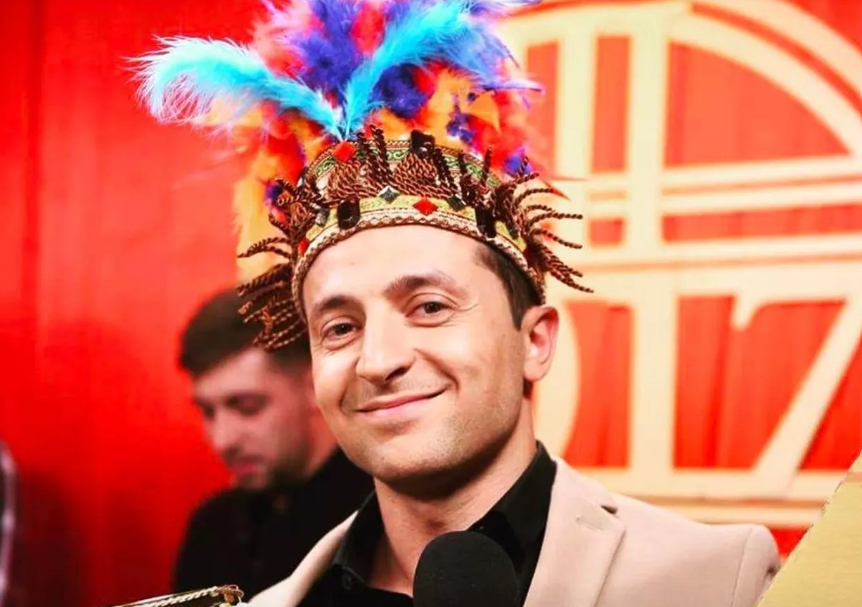
Zelenskyy frantic stunt in White House

Brussels 01.03.2025 Volodimir Zelenskyy should have come with an interpreter to the White House. His English is too rudimentary for a head of state. Unfortunately for Ukrainians he has no adequate assessment of his own skills, and capacities, which is not conducive to public good.

https://platform.twitter.com/widgets.js

Moreover Zelenskyy doesn’t not think, behave, and act as a President of a country. He looked like some obsessed WOKE ACTIVIST who broke through gates of White House, and was removed by agents to secure work environment.
The necessity to organize elections to return to democracy has never been so urgent in Ukraine as with this failed presidency. Elected due to promise of peace to his compatriots, Zelenskyy quickly mutated to “President of War” in his own words. His outfit, which causes raised brows, stands for incapacity to accept the grim realities: it is impossible to win this war, he is peddling with a remarkable insistence, omitting costs both in human lives, and resources channeled into production of lethal weapons.
It is time for elections in Ukraine to liberate the Ukrainian people from a showman, who can’t stop performing at world stage, confusing virtual reality, created by cameras with the grim realities of endless war his is so exited about. The frustrations outbursts of Zelenskyy in the White House revealed a comedian enjoying a spotlight at cost of a graveyards of young man, an aggressive Narcissist, playing a dream role of his life.
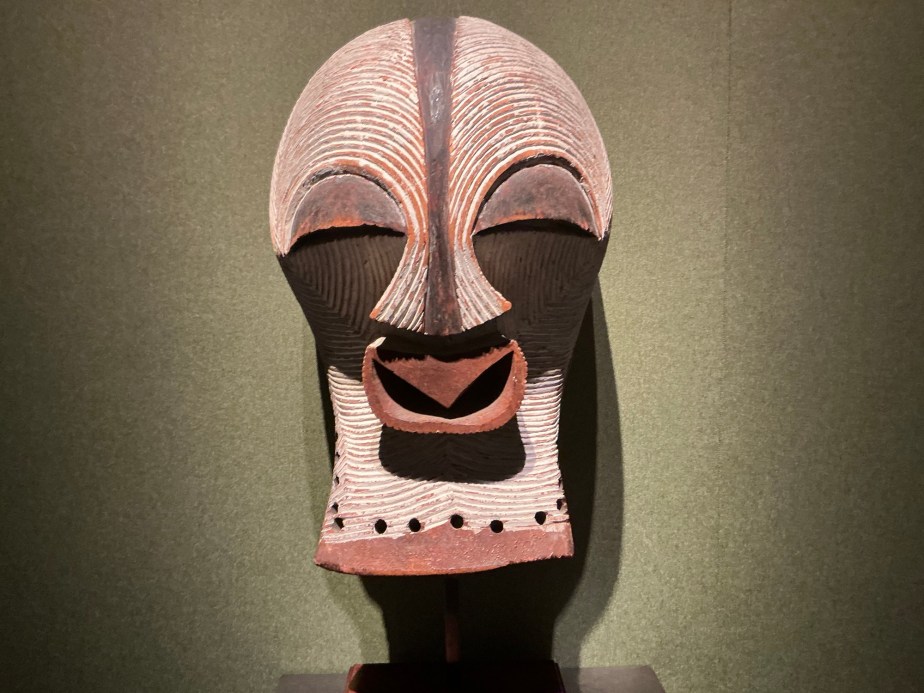
However Zelenskyy’ Harlequin mask have fallen during the White House stunt, revealing his tremendous deficiency of skills, and culture. The stunt which was a self-inflicted catastrophe. Nihilation of reputation.
The Ukrainian people deserve better. The need for elections of a President of Ukraine has become urgent.
The REAL FEEL: farewell to Harlequin !

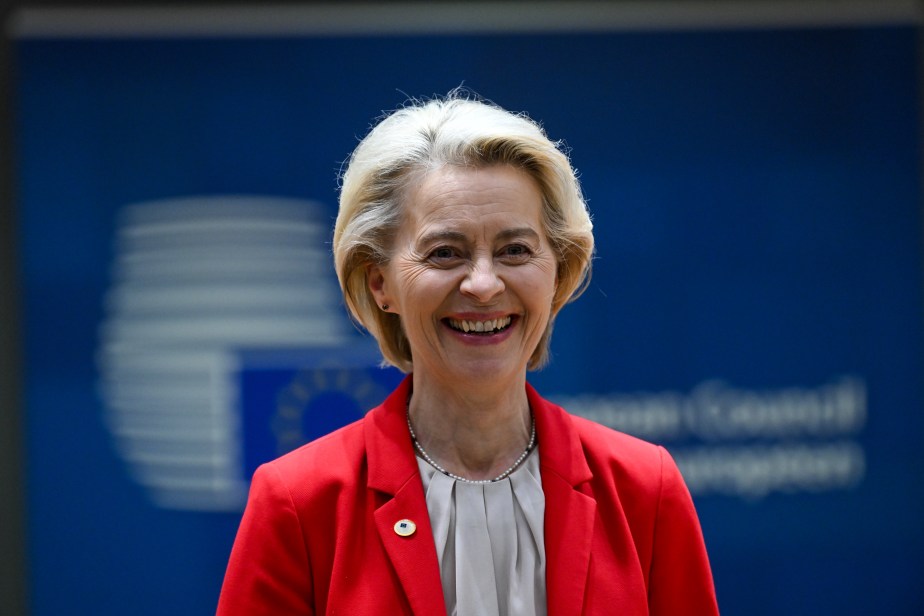
EU: Ursula – Colonial syndrome

Brussels 26.02.2025 The second mandate of Ursula von der Leyen has been marked by a tight grip on press, covering the European Commission endeavors. The new rules for media accreditation are replicating the Belgium 1963 law defining the status of journalist during the crisis of the downfall of the Colonialism. Signed by the King Albert II in December 1963, the law remains a relic from a period of a further collapse of the Empire. The Belgian Congo, today DR Congo, ruled from 1908 to 1960, and Ruanda-Urundi, modern Rwanda and Burundi from 1922 to 1962, – became independent.

Obviously, after the proclamation of independence of the African colonies the desire of dominance of the Metropole didn’t extinguish, and the battle for the wealth went on, preventing newly liberated people from entering the political process in form of a debate on pages of the newspapers. The law signed by King Albert II formally defending a status of a professional journalist in Belgium in reality was transforming journalism in a cost-prohibitive occupation.

Nowadays in Belgium the law is still valid, and the status of a professional journalist, and the relevant press card are obtained after the revenue scrutiny by the Committee, which is composed upon the direct orders of the King.
The title of a “professional journalist” is awarded by an official Approval Commission, composed equally of professional journalists and media directors. The members of the commission are appointed by royal decree” reads the announcement on the site of the Belgium Association of the Professional Journalists. https://www.ajp.be/la-loi-relative-au-titre-de-journaliste-professionnel/

Clearly, all of them the loyalists of the Crown. However, only loyalism is not suffice. As the Association of the professional journalists announces, the candidate for the statues has to present to the incognito Committee the integrity of the revenues, manifesting that the journalism is the major source of income.

A candidate should provide among the other documents a copy of the employment CONTRACT, or for freelancers: a proof of RENUMERATION – invoices, tax forms, etc. for the two-year period.

Taking into consideration mentioned above a contributor has no chance to obtain a status of a “professional journalist”, because it is not a number of articles, or success among readership, or other qualities, as for example a quotation index that counts. It is all about revenue, the capacity to sell the info product, resulting in a handsome income to impress the incognito loyalists in the Committee.
Doesn’t look too independent, neither modern in the Age of the Fourth Industrial Revolution, however this system is still effective in filtering the authors who are at odds with the mass-media system unable to sell. The professional journalist in Belgium is the one who is able to successfully merchandise his info product, which makes money the only measurement of a professional success, and opens doors for a professional affiliation.

More than half-a-century later Belgium 1963 law, protecting professional journalist status, or in reality filtering all the descent, narrating the uncomfortable truth which is not always suitable for sale, got second life thanks to Ursula von der Leyen. One can notice to what extend she takes the re-cycling seriously!

Skillfully von der Leyen replaces the Monarch in this new Commission accreditation rules, and the role of the former Colonies subjects is offered  to the EU journalists, who should proof that they are successful in merchandising their information products. The situation is even more ambivalent because the Commission refuses to issue a list of mass-media enjoying Ursula von der Leyen generosity, manifesting itself in lavish grants. As it was revealed in the MCC report by Thomas Fazi some of the recipients of the Commission “support” as the EuroNews TV Channel through years received hundreds millions omitting to inform the audiences about it.

https://platform.twitter.com/widgets.js
Exactly as in Belgium 1963 law the Committee, attributing the accreditation, is formed by Ursula von der Leyen Commission. The composition of the Committee, the names of journalists, or media they are representing is unknown. Incognito. Do the incognito members of the selection Committee enjoy grants from the Commission? Unknown. What are the rules for handling the presented financial documents? Unknown. 

However to obtain the European Commission accreditation  “Journalism must be their main source of income”, and for that purpose all the integrity of the revenues of a candidate should be presented for the scrutiny by unknown individuals, probably sponsored by the very Commission to buy their loyalty. 
Patrons and clients. 

https://platform.twitter.com/widgets.js

Emily O’Reilly, a former journalist, who served till recent as the EU Ombudsman said that her ambition was to “support the EU institutions in becoming more effective, transparent and accountable”, however by the end of her two terms she acknowledged with sadness in a podcast that she was “never at ease” with the “powerful consiglieri” from the Commission president’s cabinet. “Consiglieri” is a specific term used to describe a position in mafia structure in Sicily or Calabria, clearly used in this context intentionally.

EU further restricts freedom of speech

Brussels 24.02.2025 The EU Commission cheered the Council’s adoption of the 16th Russia sanctions package aligned with the III year anniversary of the Russia-Ukraine war, including ban of a number of Russian mass media outlets.

https://platform.twitter.com/widgets.js

“As Russia’s illegal aggression enters its fourth year, this package is designed to further ramp up pressure on the aggressor and is part of the EU’s unwavering commitment to a just and lasting peace for Ukraine” reads the official text.
“In the 16th package, the EU has extended the prohibition to broadcast content to 8 Russian media outlets (EADaily, Fondsk, Lenta, NewsFront, RuBaltic, SouthFront, Strategic Culture Foundation and Krasnaya Zvezda) because these are under the permanent control of the Russian leadership and systematically participate in spreading misinformation and propaganda, which constitutes a threat to the Union’s public order and security” the reads the text of EU Commission Q&A page.
The explanation resonates with the words of the U.S. Vice-President J.D.Vance at Munich Security Conference: “…Now, to many of us on the other side of the Atlantic, it looks more and more like old, entrenched interests hiding behind ugly, Soviet-era words like “misinformation” and “disinformation,” who simply don’t like the idea that somebody with an alternative viewpoint might express a different opinion, or, God forbid, vote a different way, or, even worse, win an election”.
However the acknowledgment of mistakes, and admitting the failures are the most complicated mechanisms of human psychology, often causing well-known effect of “continuation of investment in failure”, which is both costly, and irrational waste of precious resources, including time.
The initial decision to cut off Russia Today TV channel in breach of the Lisbon Treaty Article 11 (
https://fra.europa.eu/en/eu-charter/article/11-freedom-expression-and-information)
was a precedent to open the gates into Soviet-like era of repression of freedom of speech, which later became normalized, and shifted from periphery to the centre, becoming the major instrument of dealing with the opponents – shut down. Unfortunately the pattern causes the irreparable damages to the EU project, indicating to lack of arguments, and deficiency of moral high ground.

Yemen: realities and misconceptions

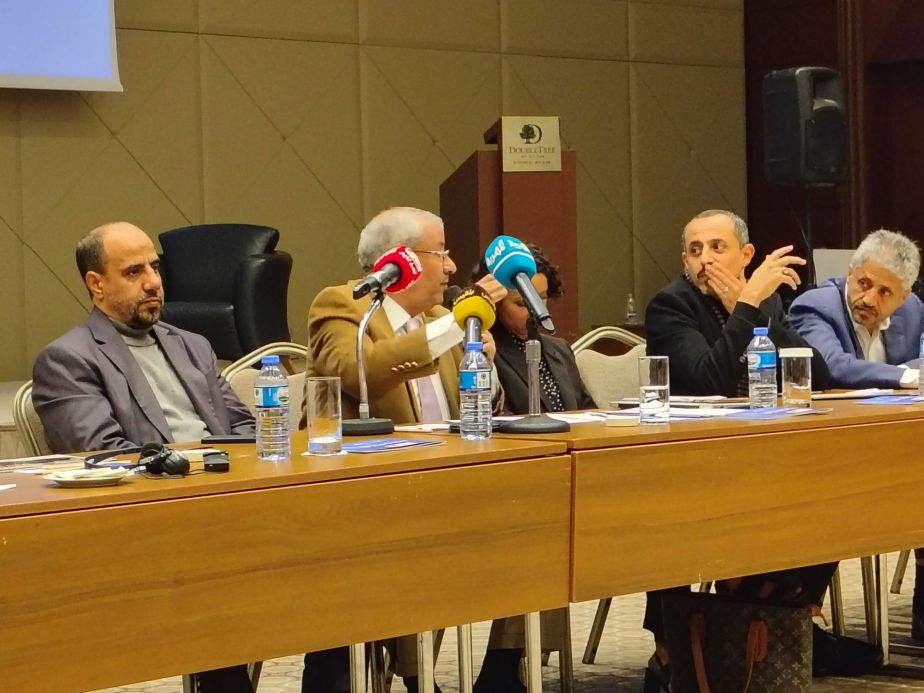
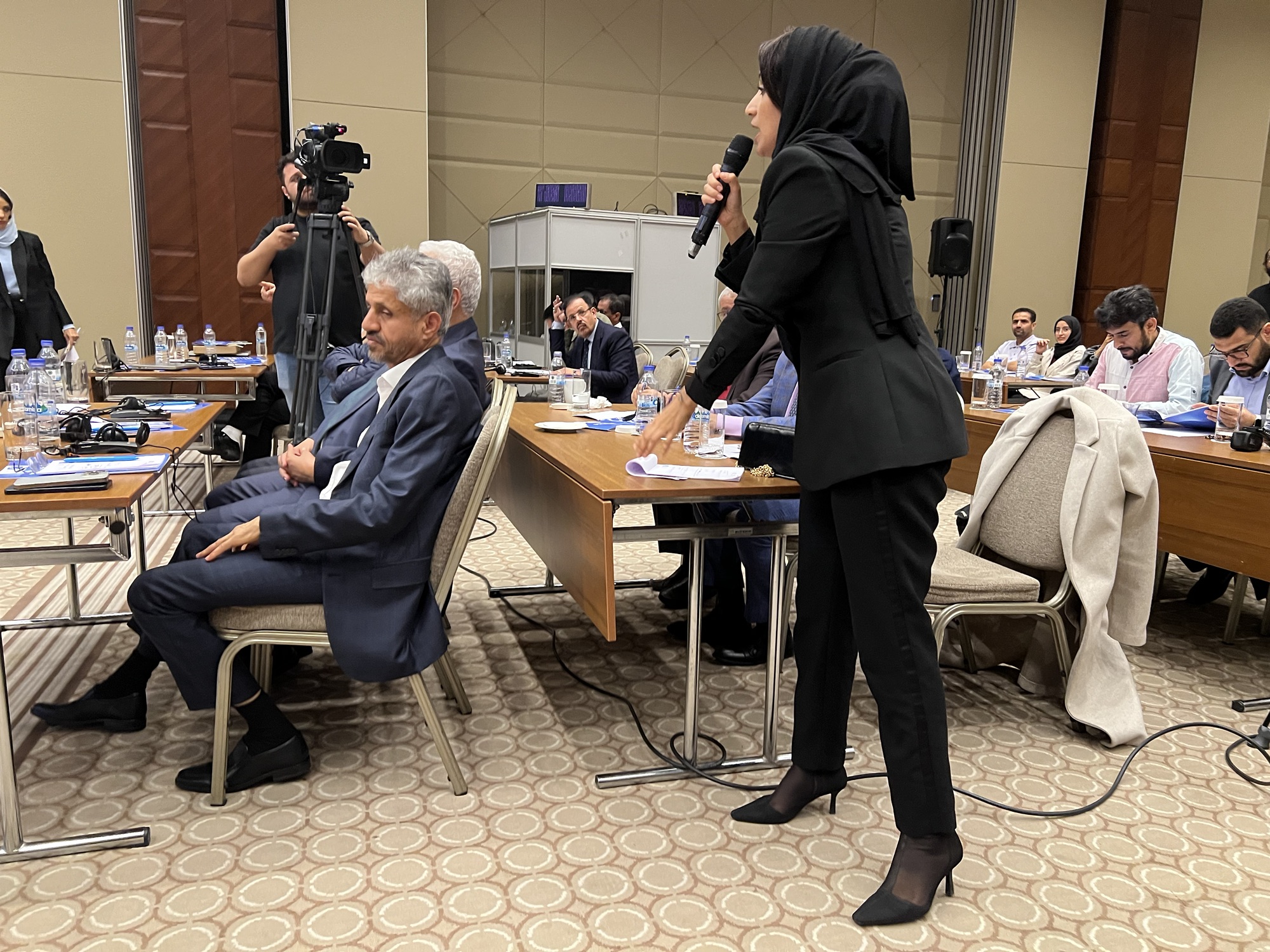
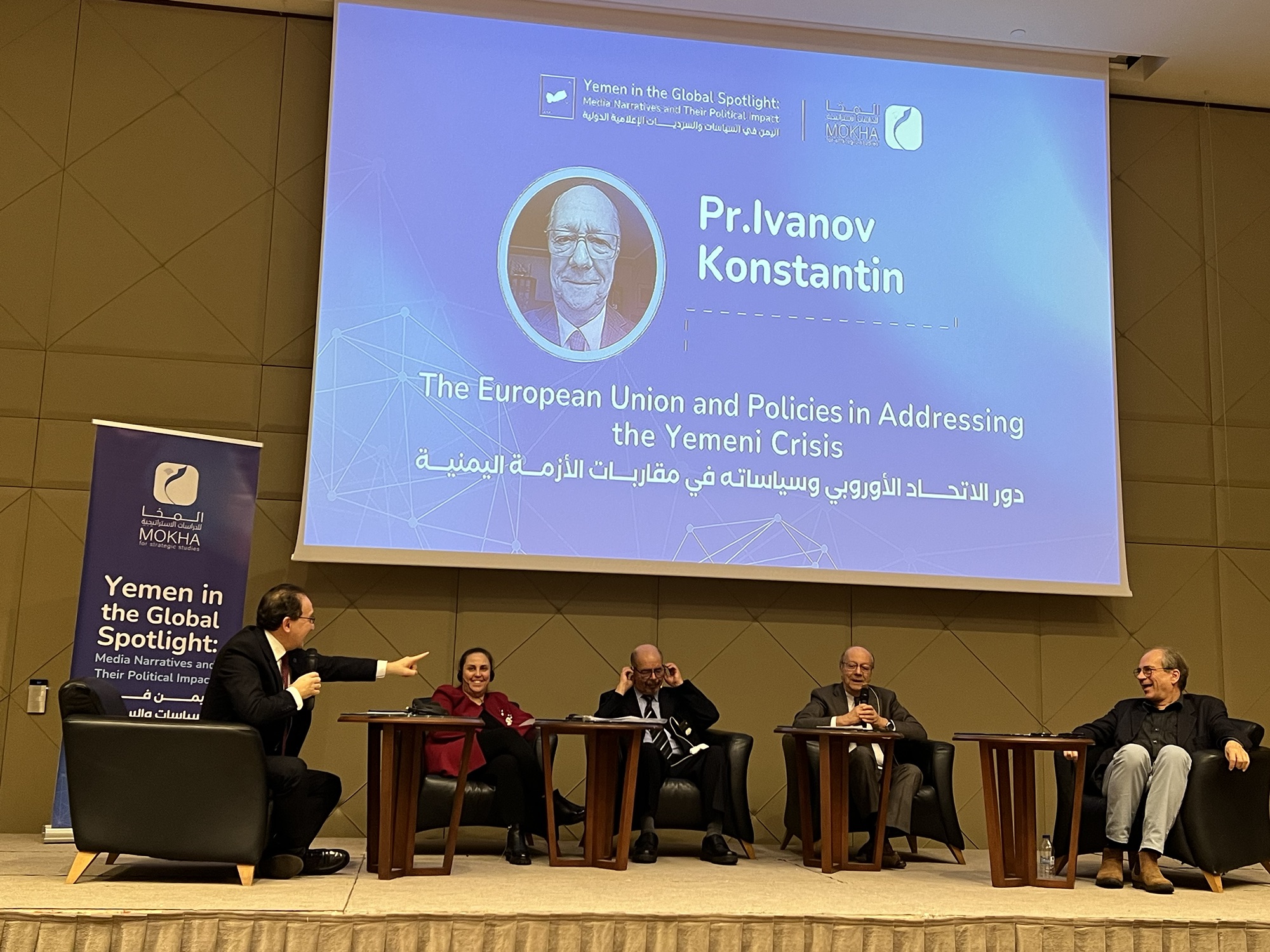
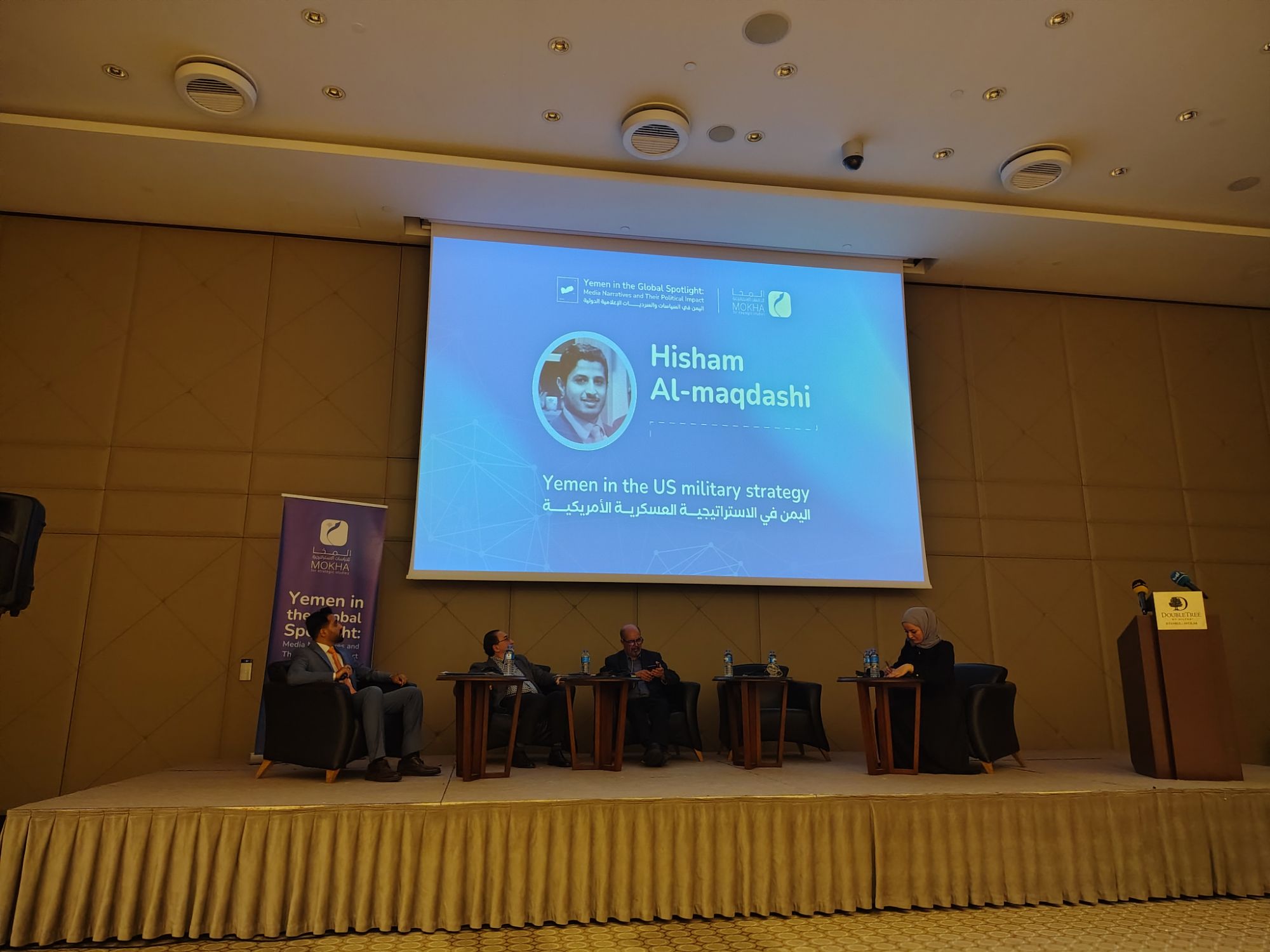
Istanbul 30.11.2024 At present the major focus of Russian media shifted from the ongoing internal conflict devastating the Yemeni society to the impact of the Houthi rebels storming the international stage with their political ultimatum to the Israeli government. The new profile of the Houthis as an ambitious, and reckless force on international stage, has defined their status as a world-class negative influencer. The violent attacks on the maritime transport in Red sea, and heavy economic toll on trade, especially for Europe, overshadowed the ongoing clashes between the Houthi rebels, and the Saudi coalitions, backed by Yemen’s internationally recognized government.
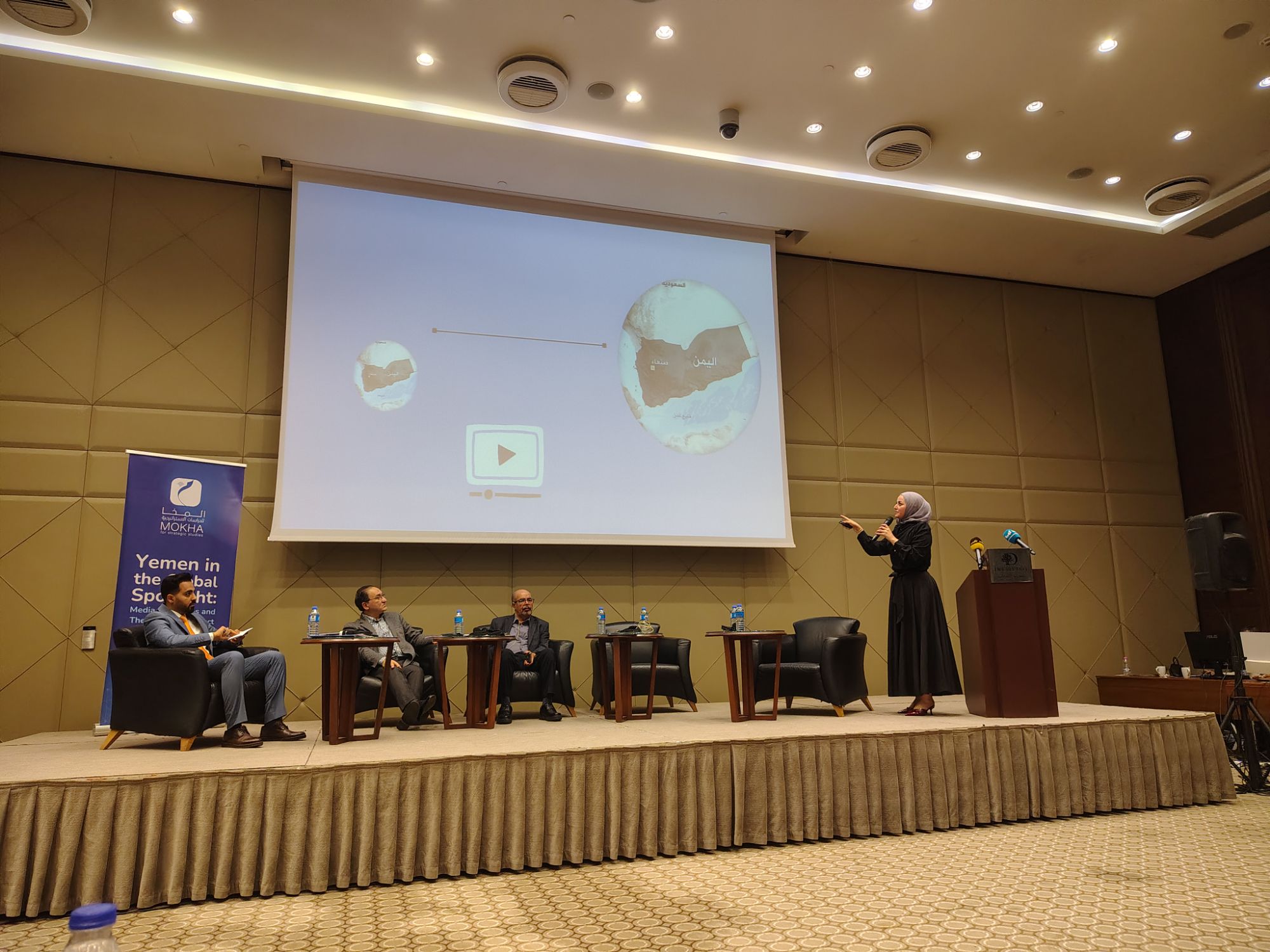
img_20241129_115835370_hdr6610784272087578829
Recent International Criminal Court arrest warrants to Israel Prime Minister Benjamin Netanyahu and former Defense Minister Yoav Gallant for war crimes and crimes against humanity in the Gaza Strip placed Houthis on the progressive side of the political avenue, which significantly complicated the search for the peace settlement within Yemen society.

Previously dialogue between the Houthis and Saudi Arabia, along with Iranian-Saudi rapprochement, has inspired hope for a negotiated solution for Yemen.

Unfortunately, the talks were marred by violence, and have not risen up to the expectations. Meanwhile the Southern Transitional Council (STC) has also renewed clams for an independent southern Yemeni state, casting a long shadow on peace prospects. Even more alarming became al-Qaeda Arabian Peninsula (AQAP) teaming with the Houthis. According to a report by UN experts, the two terrorist groups agreed to overlook their differences, and focus on weakening the Yemeni internationally recognized government.

These recent trends are reflected in Russian media, pointing to the Houthi movement as highly unpredictable, volatile, and unreliable force. Although it has gone through several stages both in structure and ideology, the only constant trend is its permanent fluidity, perceived as chronic instability, and dangerous mutations mentioned above, transforming Houthis into a grouping where the ideology, and subsequent strategies are replaced by political adventurism, eroding to terrorism. Subsequently the beginning of this year the U.S. State Department had no other choice than accept the new realities, and announced Ansarallah, commonly referred to as the Houthis, as a “Specially Designated Global Terrorist group”.

Following the suit, Russian media much more reserved, predicting that the movement will continue mutations, adapting to the changing environment, which makes impossible to project the ultimate result in ideological and political terms. Containing elements of a national-patriotic, religious, and political movement, Houthis accumulated a considerable weight in the eyes of the followers, referring in each specific context to a particular fragment of the movement, sensitive to a particular aspect.

At the same time, Russian government has managed till recently to maintain dialogue with all the main participants in the Yemeni conflict. Diplomats regularly engage in discussions with representatives of the internationally recognized Presidential Governance Council (PGC), the separatist Southern Transitional Council (STC), and the former ruling General People’s Congress (GPC) party, which has now entered into a coalition with the Houthis.
img_1384

Although the Wall Street Journal (WSJ) reported that Russia transmitted satellite data via Iran to Yemen’s Houthis, which they used to attack ships in the Red Sea, they were citing anonymous sources, and did not offer any tangible proof. A Kremlin spokesperson said he was not familiar with the contents of the publication, and declined any comment. However, according to a journalistic investigation conducted by the WSJ editorial board, the Russian authorities were thus helping Yemen’s Houthis to carry out more accurate strikes on Western ships. The experts explained the episodes as the symmetric answer to the U.S. and the allies for assisting the Ukrainian troops with the satellite information for the relevant attacks.
img_1379

For a long time, Russia tried to take an equidistant position in relations with the participants in the Yemeni conflict. Nevertheless Russian military advisers are engaged in the Houthi-controlled capital Sanaa, and Russian diplomats do not rule out the future shipments of weapons to the rebels. However till now Russia is reluctant to transfer missiles and other weapons to the Houthis, preferring to maintain functional relations with Saudi Arabia, CNN reports. However by no means the Russian government position towards Houthis is altruistic. Just a few days before the full-scale invasion to Ukraine, the Houthis issued the “recognition of Donetsk and Luhansk as independent Republics.”
img_20241129_114352664_hdr1710045161123171694

Meanwhile, the humanitarian crisis has aggravated: 21.6 million people need aid, including 11 million children, and more than 4.5 million are displaced. Surprisingly, instead of the care for the vital needs of the population, the Houthi authorities have drastically expanded restrictions against women’s movement in their territories since taking control of Sanaa, and much of northern Yemen in the last nine years. The same time Yemeni government forces and STC have restricted women’s movement in the south.

Subsequently the sharp criticism of Human rights organizations has been focused on lack of efforts from the behalf of the warring parties to insure the access of population to the basic necessities, as food, and clean water. Instead they have been raising barriers to women’s freedom of movement, which aggravated their dire situation further. These restrictions have a highly negative impact on women’s lives and impedes their ability to receive health care, pay family visits. It also have a negative effect on women’s education, and employment. Although legally Yemen women are not prohibited to work, the multiple impediments, including the recent ones, do not allow to implement the formally existing opportunities into practice. The human rights defenders lament that the Constitutional rights of the Yemeni women have been not implemented in spite of being clearly articulated in the unification Constitution in Articles 40, and 41: “Every citizen has the right to participate in the political, economic, social and cultural life of the country.”

The UN reporters are increasingly concerned about the situation of Yemeni women, and girls. Women and girls are 49% of the 18.2 million people in need of humanitarian assistance, and face food insecurity, water shortages, disease, lack of access to basic life-saving services, such as health care and education, poverty and deprivation of economic opportunities, and systematic exclusion and suppression of their rights.

Withing the population of 6.3 million Yemeni women and girls are at heightened risk of gender-based violence, including domestic and sexual violence, and many have been forced to resort to extreme coping mechanisms, including forced and early marriage, with over 30% of girls married by the age of 18. Women and girls from minorities and marginalized groups, including the Muhamasheen and Baha’i, are further disproportionately impacted. Muhamasheen women and girls are increasingly subjected to targeted attacks, including sexual violence, torture, and exploitation, the UN experts say.

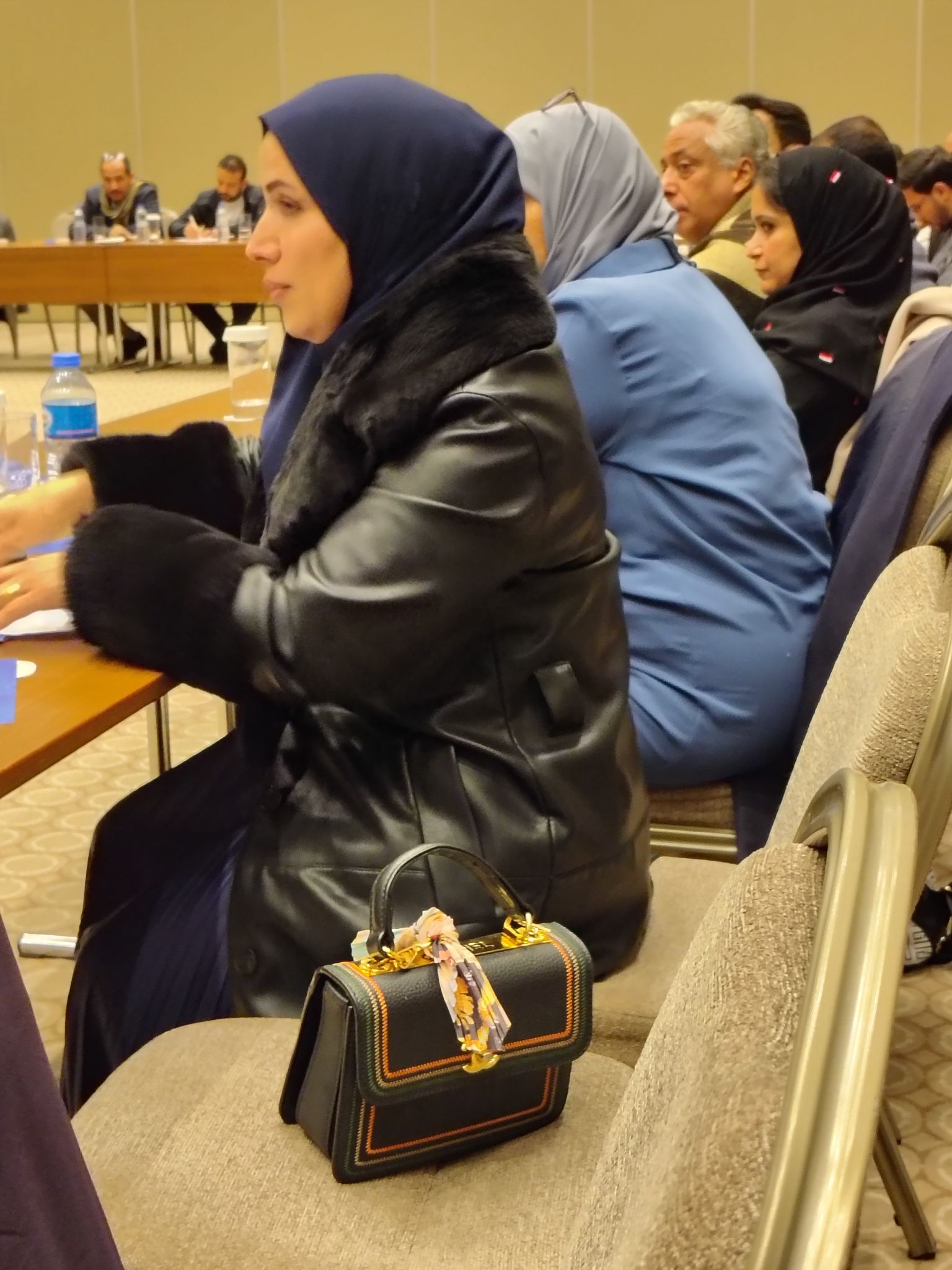
Women’s human rights, particularly their freedom of movement, are heavily restricted by all the warring parties in Yemen. The imposition of a mahram, dress codes, and restrictions on freedom of expression, especially in Houthi-controlled areas, impede women’s ability to develop, to learn, to work, including in the humanitarian sector, to access healthcare, and to participate in public life. These policies are clearly not conducive to public good, as the UN experts insist, indicating to scientific research results indicating that the women’s economic empowerment has a healing effect on well-being in communities locally, and for the society in general. Empowering women, and promoting gender equality is crucial to enhance economic development and achieving more harmonious societies, which are crucial elements in preventing armed conflicts.

The increasing efforts to fortify conflict prevention by engaging women in various aspects of society life, including the positions of power, are reflected in the passage of United Nations Security Council Resolution 1325 in October 2000, which “urges Member States to ensure increased representation of women at all decision-making levels in national, regional and international institutions and mechanisms for the prevention, management, and resolution of conflict.”

The mentioned above leads to conclusion that the entire potential of Yemeni women, as a powerful force for the conflict resolution, and harmonization of the society with a view on development, and prosperity, has not been released yet. Since 2006, Yemen ranks as the lowest in the world for gender equality; maintaining the 142th place of 142 countries in the Global Gender Gap report.
img_20241129_150948714_hdr1612079489981499157

Nowadays when the risk of renewed active hostilities in Yemen is high, especially taking into consideration the Houthis’ ravaging in the Red Sea, attacking the merchant vessels. The strikes caused 300% raise in price of shipments, and subsequent efforts of the U.S., the UK, and Israel to restore the safety of navigation by military means. This tough response further aggravated the situation, causing collateral damage to civilians, already exhausted by the long, and cruel civil war. This multifaceted tumultuous situation might influence a decision for a new campaign of the Houthis to the South in attempt to take the territories under control.
Within this dangerous prospect the efforts for peaceful resolution should be doubled, including engagement of all interested members of the society, especially those who were unjustly overlooked as millions of Yemeni women.

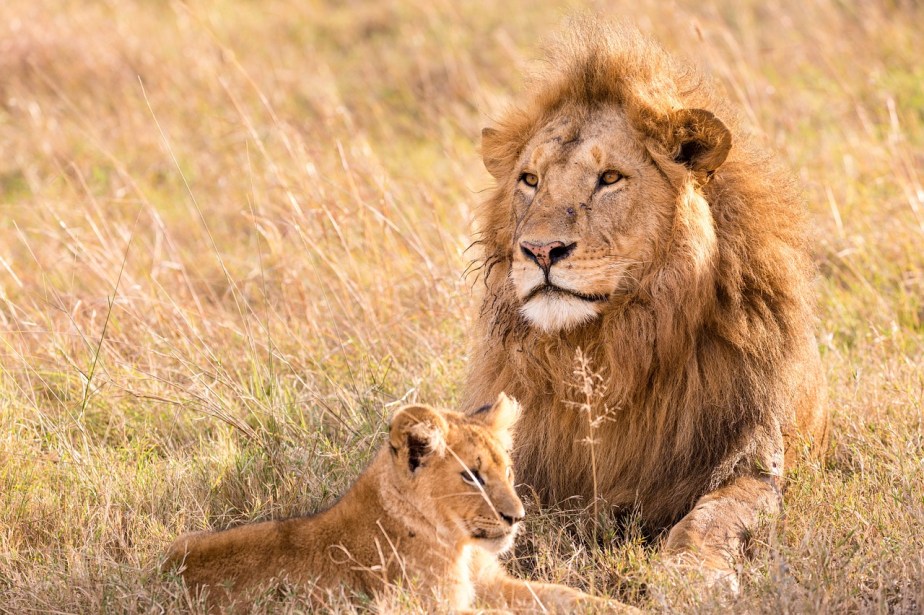
Russia breaks CITES Convention and indulges in wildlife trade

Strasbourg 23.10.2024 The atrocious death of Taigan safari-zoo keeper Leocadia Perevalova, 41, mauled by lions on October 16 caused serious concerns about the “pocket of lawlessness” in Russia-controlled Crimea, where along with the breach of security, sanitary norms, the illegal trade in big cats flourishes, breaching Russia’s government obligation imposed by the CITES Convention. Apparently after the second death of an employee of the safari-park in suspicious circumstances, the catastrophic lack of security measures came to public attention, leading further to a shocking discovery of the intentional character of the irregularities, covering the shady wildlife trade.

The founder, and the owner of the parc Oleg Zoubkov, who at times claimed that he is just an ordinary guide in the parc, attempting to avoid the responsibility for the systemic neglect of public safety, has already announced that the death of Perevalova was a result of omitting the rules, and “forgetting” to close the lock of the lion’s cage. However the animal rights activists have pointed to many contortions in Zoubkov statement, which contradict the official information from the ongoing investigation, namely five hours pause between discovering of a dead body of the keeper to calling police.

The activists, and civil journalists confirmed that they have been attempting to draw the attention of the authorities to the catastrophic situation in the parc for many years. The breach of basic safety rules is obvious, so is the total neglect of sanitary obligations: in the park hosting around 1500 wild animals there is no one single veterinary specialist!
The only vet, visiting park upon request, comes from the city of Simferopol – 50 km away, and offers services free off charge, being a founder of animal charity “Fauna Blago” to help animals in need.
Furthermore there is nobody monitoring the health of animals, and even their numbers are kept unknown to facilities the illegal trade. The activists were raising the issue of uncontrolled animal reproduction, and vanishing of lion’s and tiger’s cubs used for adverting of the park.

Recently the fate of a lion’s cub Sherkhan attracted attention of the activists: “…Let us recall that the cub Sherkhan was transferred to Crimea by a businessman from Donetsk in mid-November. The lion cub was given to him as a birthday present. A whole room was set up for the little predator. He was kept in excellent conditions, grew up affectionate and friendly. But at one fine moment the man realized that the king of beasts is not a house toy, and brought his pet to “Taigan” writes Russian tabloid KP.ru (VIDEO of Zoubrov advertising Sherkhan lion cub below)

In spite of being from unknown origin, Sherkhan was sold to notorious Harbin Zoo, China, in breach of the CITES convention. The activists point at the bragging of Zoubkov, being proud of responding to high demand for “Russian lions” internationally for private zoos, and circuses, advertising, photo-shooting etc. Animal welfare groups demand the independent investigation of the situation, claiming that the local authorities in Crimea are totally corrupt, and enjoy their “fair share” in illegal big cats trade. The workers of the park, tell stories of cruelty, and also inbreeding of lions, and tigers, describing the safari park as a cover for illegal farming and trade in big cats. So far the demands of the activists have fallen on deaf ears. Local authorities, and law enforcement simulate activities, in reality allowing the big cats farming to prosper, transforming Crimea into a platform for illegal wildlife trade.
(VIDEO of Harbin zoo lions in winter below)

The Russian Federation joined CITES in January 1992 through the continuation of its membership as part of the former USSR and was elected to serve as a regional member on the CITES Standing Committee at CITES CoP17.

Animal welfare: civilization benchmark

Strasbourg 17.09.2024 Today Olivér VÁRHELY has been named as Commissioner-designate for Health and Animal Welfare, and many considered it to be a diminishment of the incumbent influential position of Neighbourhood and Enlargement portofolio.
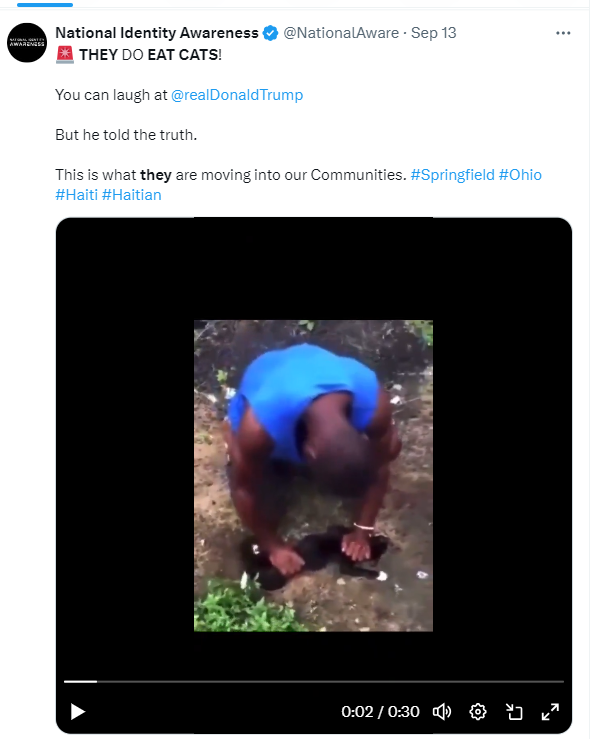
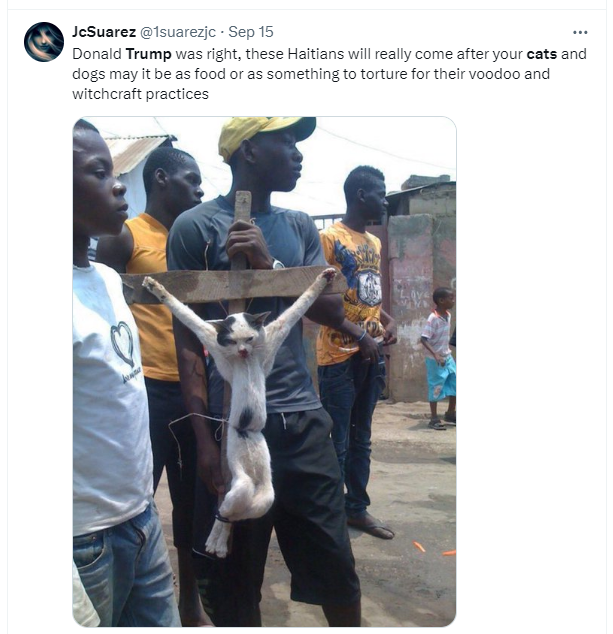
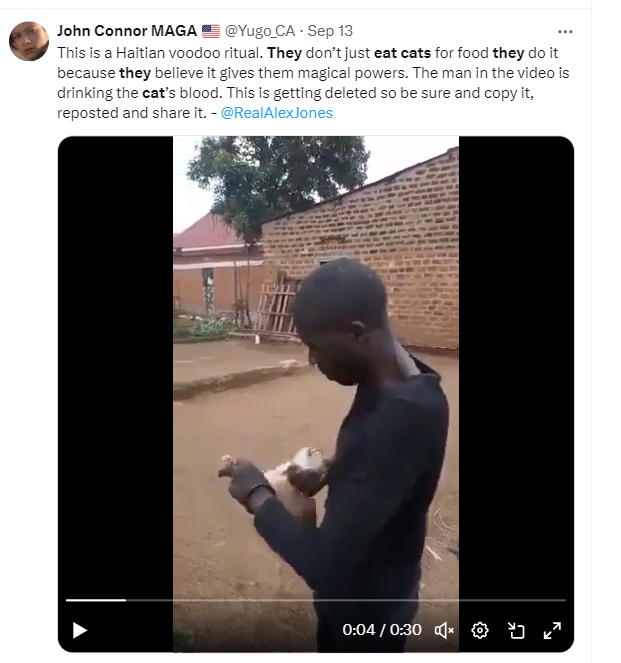
However, this assessment is wrong because contrary to opinion of political enemies of Varhely, his powers are at a rise, and this new appointment is far more political than the previous one, because this time his responsibility is not regional, but global. (Below: Voodoo ritual, full video on X platform)

Vodoo cat killing

With the American presidential elections the issue of animal welfare became a leading political theme, becoming a symbol of civilisation, a measurement of development level of individuals, and societies.

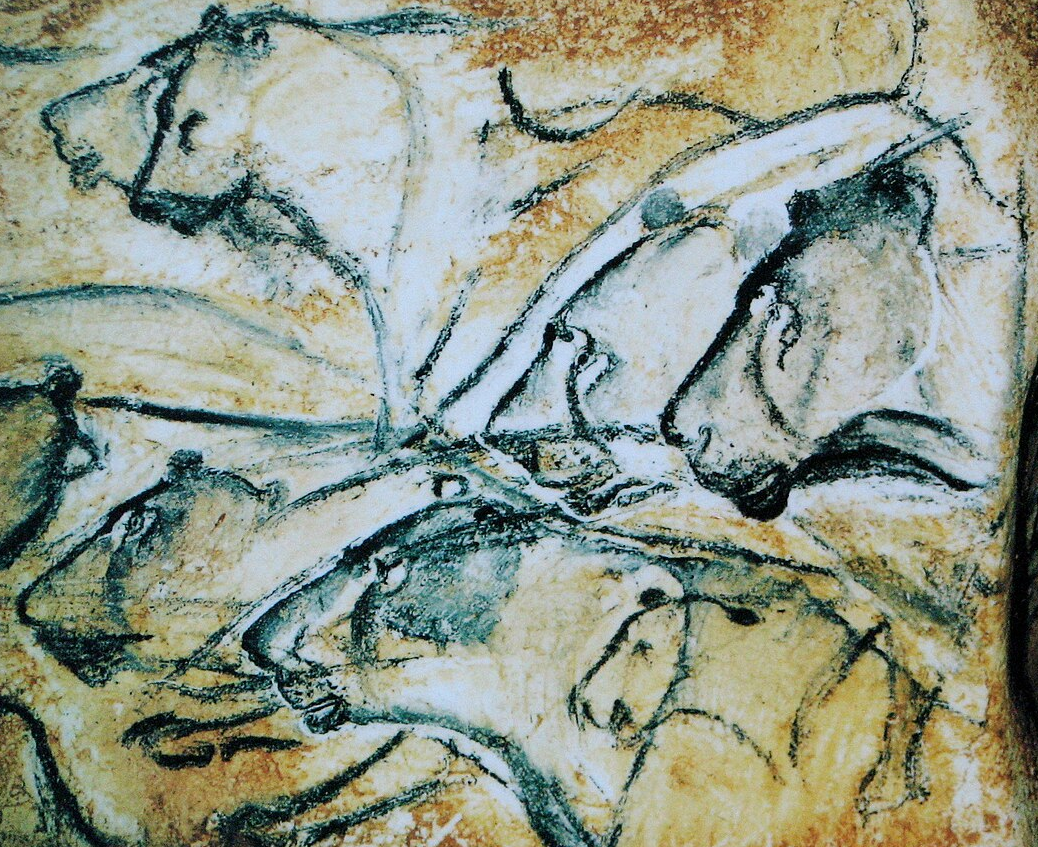
Fresco Cave Age
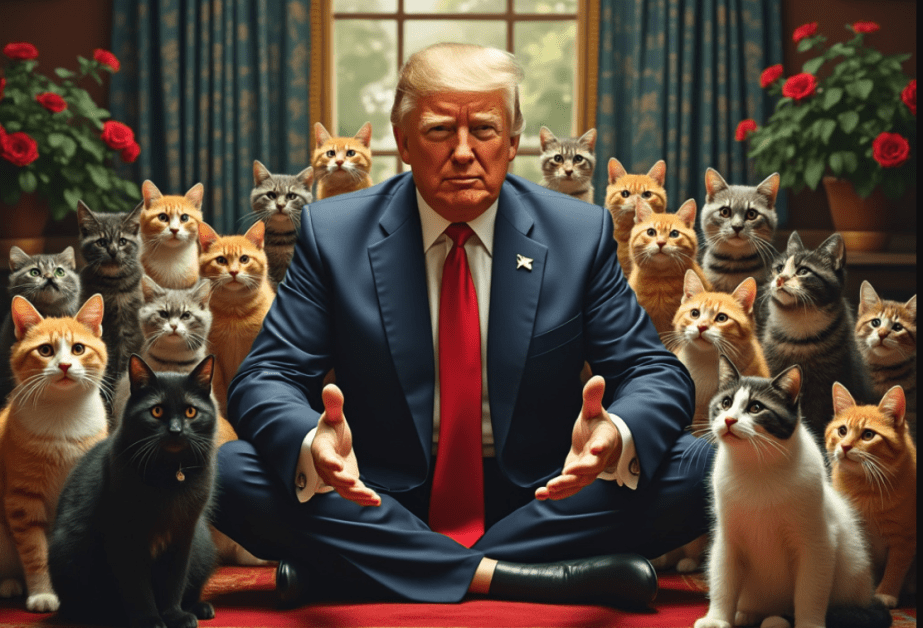
“Make cats safe again!” is more than a joke flooding social media, and more than a sarcastic metaphor, – it is a new benchmark of civility, of civilised life, distinguishing it from barbarism, and Cave Age. However even then, people worshiped animals, leaving to us the amazing masterpieces of this admiration depicted on frescos. (Image below: Voodoo ritual cat killing. Full video with sound at X platform)

Vodoo cat killing 3

‘They eat cats! They eat dogs!” accusations of Donald Trump transcended the borders of U.S. presidential race, and transformed the issue of animal well-being into a highly political issue, defining the essence of civilizations, and societies. Civility against barbarism, development against degradation, and progress against regress. What way to choose?

(Image below: Voodoo cat cat eating ritual. Full version of X platform) Vodoo cat killing 2

The article 13 of the EU Lisbon Treaty clearly states that the animal welfare is the European value. It is up to Varhely to use his newly assigned powers to defend, and develop the European civilisation, or to let it fall into decline, surrendering to barbarism, and narrowing animal welfare to health related issues. How the Commissioner will define his mission? Linear, or multidimensional? In the upcoming weeks at the hearing in the European parliament, he will have an opportunity to define his vision of his mission, contributing to benefits of our civilization, or to its downfall.

Ursula struggles for gender-balanced team

Brussels 05.09.2024 The European Commission president Ursula von der Leyen intends to create the first gender-balanced team of the EU top executives.

Every member state was offered to nominate one woman and one man candidates for von der Leyen, distributing portfolios among her future team in various endeavors: competition, digital services, trade, development and other. However von der Leyen’s request has been largely ignored. The deadline she set for nominations has passed and, as of September 2, more than half of the states had put forward a male candidate. Belgium, Croatia, Estonia, Finland, Germany, Portugal, Romania, Spain and Sweden have nominated a woman, while Bulgaria has nominated a man and a woman.

The European Women’s Lobby wrote in an open letter to von der Leyen last week, urging her to continue struggling: “Your leadership in achieving a gender-balanced Commission in the last term was a groundbreaking step that set a new standard for governance within the EU and beyond.”
“The continued pursuit of this balance is crucial, particularly now that women’s rights are under threat in various parts of the world.”
“We call on future EU decision-makers to take concrete measures to safeguard women’s rights and gender equality and go further to truly materialise equality between women and men.”
https://womenlobby.org/Call-to-safeguard-women-s-rights-and-gender-equality-in-the-2024-2029-EU?lang=en

Metsola: Enlargement must remain a top priority

Brussels 27.06.2024 In her traditional address to the European leaders at the EUCO Summit the president of the European Parliament Roberta Metsola has drawn attention to the following:
“Competitiveness, security & defence, and social equality are clear electoral messages for the EU’s programme”, said EP President Roberta Metsola to the European Council.

Addressing the European Council today in Brussels, President of the European Parliament Roberta Metsola highlighted the following topics:

44ad0a41-c720-44e4-b729-4b02080ce032

Ukraine
“The European Parliament welcomes the new security cooperation pact between Ukraine and the European Union.

The presence of President Zelenskyy here to mark the occasion is of important symbolical value and bears proof to our mutual commitment to our common security and shared destiny.”

Enlargement
“The step taken to begin formal EU membership talks with Ukraine and Moldova this month is significant and important. The European Parliament has been a strong advocate for the launch of EU accession negotiations.

Getting our Union ready for enlargement must remain a top priority in our next institutional cycle.”

Delivering on messages from the elections
“We have now a much clearer view of what people expect us to deliver on over the next five years. The challenge is now to turn these electoral messages into a political programme for the European Union. One that is serious, deliverable and implementable.”

Security and defence
“People have called for the robust defence of our values and for security to remain a top priority. Our support for Ukraine must continue.

It also means doing more to increase Europe’s ability to respond to any type of crisis and strategic autonomy. This requires a pressing need to develop a real common security and defence policy.

We have already worked together to ramp-up our capabilities, decrease duplications and reduce the fragmentation of the defence industries. Establishing a strong defence industrial base is the next step.”

Competitiveness and the Single Market
“European competitiveness is critical from an economic and a political perspective – we need to reinforce Europe’s place on the global stage.“

“We need to re-double our efforts for open, balanced, fair trade that is based on international rules, and broaden our network of trade agreements with partners by concluding and ratifying the ones we have in the pipeline.”

“Strengthening competitiveness will also require deepening the Single Market. Only by increasing productivity, speeding-up investments in own industrial capabilities, can we reduce strategic dependencies while simultaneously supporting and sustaining economic growth. The Single Market is our greatest economic driver.”

Financing growth
“If we are to grow our economies and pay back our debts, we have to get serious about finding innovative ways to fuel both public and private investment.”

“The increase of the ceilings in a mid-term revision of the EU’s current long-term budget was an important step in the right direction. As we prepare for the next MFF, we need to ensure a budget that is fit-for-purpose.”

“We need to complete our Banking and Capital Markets Unions, if we are serious about mobilising private capital to invest in our priorities, and to incentivise our companies to stay in Europe. This is how we sustain economic growth and create new quality jobs and futures with dignity.”

Leaving nobody behind
“When it comes to making progress on the green and digital transitions, no one should be left behind. Implementation here is key. That must be our focus now.”

“Whilst we are extremely proud of our world leading targets, burdens, bureaucracy and red-tape risk holding back progress. Each regulation may well be justified, but when taken together we need to be careful to ensure that this does not become too much. Our proposals must work for families. For industry. For farmers.”

“That is how we can bring Europe a little bit closer to how our people want it to be. How we can reflect on the message that the electorate sent us. How we will deliver on a stronger, safer, fairer and better Europe for all Europeans.”

Election of the President of the European Commission
“The European Parliament remains firmly behind the Lead Candidate process and we confirm that the European People’s Party is once again the largest political group in the European Parliament.

We will respect the due process. After the European Council communicates to us the name, we will invite the person to meet with Group leaders on Tuesday (2 July). The aim of this is to determine the candidate able to form the necessary qualified majority in Parliament to become the next Commission President. A candidate with a political programme that is able to capture the main electoral messages and reflect the views of the majority of the House.

The European Parliament stands ready to move the smooth process forward for electing a new Commission President without delay as soon as the European Council submits its candidate and for the hearings of the Commissioners after that.”

Ukraine: accession and hurdles

Brussels 25.06.2024 The EU today held the first Intergovernmental Conference at ministerial level to open accession negotiations with Ukraine.

This follows the decision by the European Council on 14-15 December 2023 to open accession negotiations with Ukraine, and the approval by the Council of the Negotiating Framework for the negotiations with Ukraine on 21 June, in accordance with the revised enlargement methodology.

The EU delegation was led by Hadja Lahbib, Minister of Foreign and European Affairs of Belgium, accompanied by Commissioner for Neighbourhood and Enlargement Olivér Várhelyi. The delegation of Ukraine was led by Deputy Prime Minister Olha Stefanishyna.

The EU reiterated its resolute condemnation of Russia’s war of aggression against Ukraine and stated its readiness to continue to support Ukraine and its people against Russia’s ongoing war for as long as it takes and as intensely as needed.

The EU underlined that Ukraine is already a close partner of the EU.  Its Association Agreement with the EU, which also includes the far-reaching Deep and Comprehensive Free Trade Area, entered into force in 2017 and has been provisionally applied since 2014. It is the basis for extensive cooperation between the EU and Ukraine in a broad range of areas. The EU and Ukraine are closely aligned on foreign and security policy, and the EU encourages Ukraine to continue its positive trend towards full alignment with the EU Common Foreign and Security Policy.

The EU has now invited the Commission to continue to assess the state of preparedness of Ukraine for opening negotiations in specific areas and identify the issues that will most likely come up in the negotiations, starting with the fundamentals’ cluster which, in accordance with the Negotiating Framework, will be opened first.

As a future member state, Ukraine will be expected to continue to adhere to the values listed in Article 2 of the Treaty on European Union, namely the respect for human dignity, freedom, democracy, equality, the rule of law and respect for human rights, including the rights of persons belonging to minorities.

At present there are a number of questions regarding the human rights, namely the
The Treaty on European Union sets out the conditions (Article 49) and principles (Article 6(1)) to which any country wishing to become a member of the European Union (EU) must conform.

Certain criteria must be met for accession. These criteria known as the Copenhagen criteria were established by the Copenhagen European Council in 1993 and strengthened by the Madrid European Council in 1995.

They are:

    • stability of institutions guaranteeing democracy, the rule of law, human rights and respect for and protection of minorities;
    • a functioning market economy and the ability to cope with competitive pressure and market forces within the EU;
    • the ability to take on the obligations of membership, including the capacity to effectively implement the rules, standards and policies that make up the body of EU law (the ‘ acquis ’), and adherence to the aims of political, economic and monetary union.

Ukraine faces unprecedented challenges affecting gender equality and the enjoyment of equal rights and opportunites by women, particularly those facing multiple forms of discrimination. Structural discrimination of women persists in both the public and private spheres to varying extents in the country. The roots can be found in patriarchal attitudes and stereotypes, as well as deeply entrenched systemic gaps.

Clearly at present the human rights in Ukraine are not respected as declared by the EU Charter of Fundamental Rights which guarantees the EU citizens’ rights. The Charter lays down the fundamental rights that are binding upon EU institutions and bodies. It also applies to national governments when they are implementing EU law.

Ukraine faces unprecedented challenges affecting gender equality and the enjoyment of equal rights and opportunites by women, particularly those facing multiple forms of discrimination. Structural discrimination of women persists in both the public and private spheres to varying extents in the country. The roots can be found in patriarchal attitudes and stereotypes, as well as deeply entrenched systemic gaps.