
Брюссель 18.03.2026 “Фактическое закрытие Ираном Ормузского пролива вызвало потрясение в мировой экономике. Иранская угроза судоходству в Персидском заливе широко рассматривается как асимметричная ответная мера против США и Израиля. Но Иран фактически повторил тактику, которую Америка давно использует в своих санкциях: он превратил ключевой узкий проход в мировой экономике в оружие, чтобы заставить своего противника деэскалировать […]

14.02.2026 Индия пообещала Белому дому не поставлять “дополнительную” российскую нефть, заявил госсекретарь США Марко Рубио, выступая на Мюнхенской конференции по безопасности. U.S. Treasury Secretary Scott Bessent: The US has made much bigger sacrifices than the Europeans have. We have put 25% tariffs on India for buying Russian oil. Guess what happened last week? The Europeans […]

Брюссель 09.02.2026 Российские войска продолжают свою кампанию когнитивной войны, используя мелкомасштабные трансграничные атаки в ранее бездействующих прифронтовых районах на севере Украины, чтобы убедить Запад в том, что линия фронта на Украине рушится. Rubio Lists All anti-Moscow Measures US Still Taking on Ukraine – Reiterates Trump’s Claim ‘India Has Committed to Stop Buying Russian Oil’ 'I […]

Брюссель 26.01.2026 По сообщениям СМИ во время протестов из России и Беларуси в Иран прибыли несколько военно-транспортных самолетов Ил-76, а также ударные вертолеты Ми-28. Еще в декабре прошлогогода появились фотографии десятков российских бронемашин «Спартак», импортированных в Иран. Очевидно, что Вертолеты Ми-28 и бронемашины «Спартак» не были завезены в расчёте на противодействие израильским или американским авиаударам. […]

Брюссель 09.01.2026 Предупреждая, что «война снова в моде» и что мир все чаще достигается силой, а не справедливостью, Папа Лев XIV в своем обращении к дипломатическому корпусу, аккредитованному при Святом Престоле, призвал к смирению, диалогу и возобновлению приверженности многостороннему сотрудничеству. BREAKING Pope Leo XIV has CONDEMNED 'Orwellian' free speech restrictions in the West The pope […]



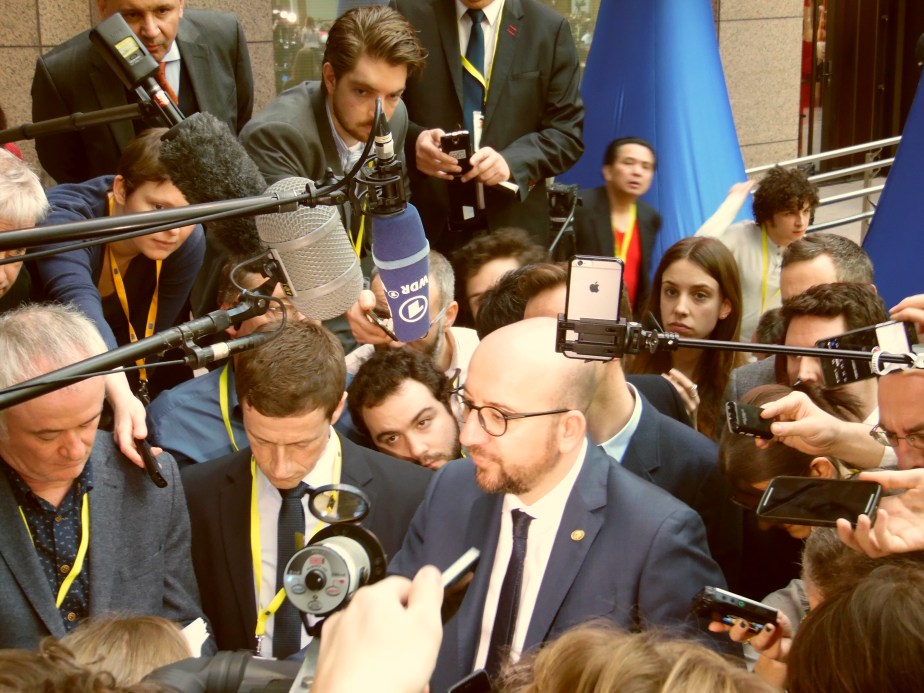
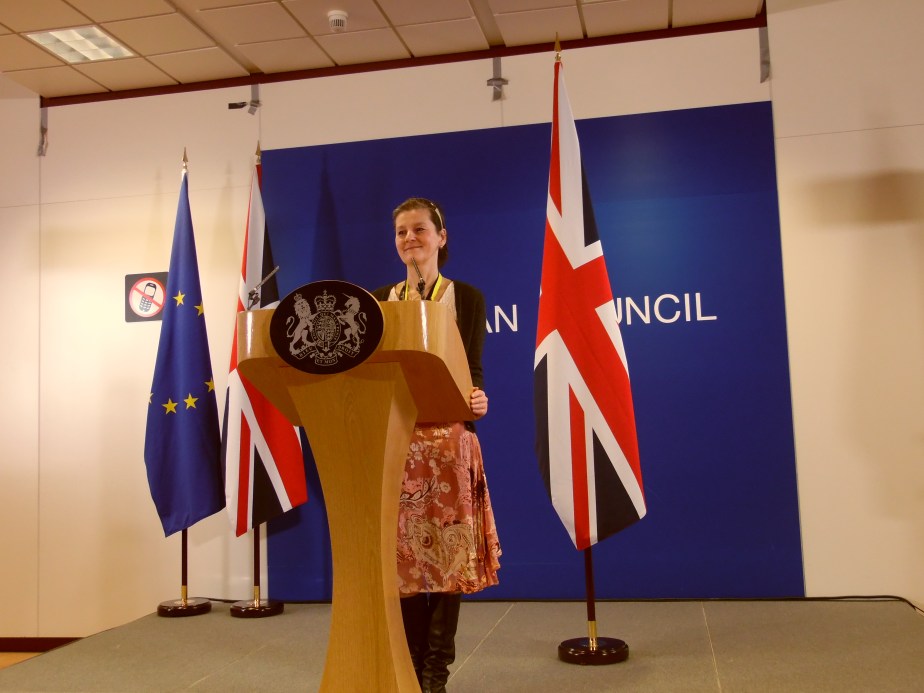

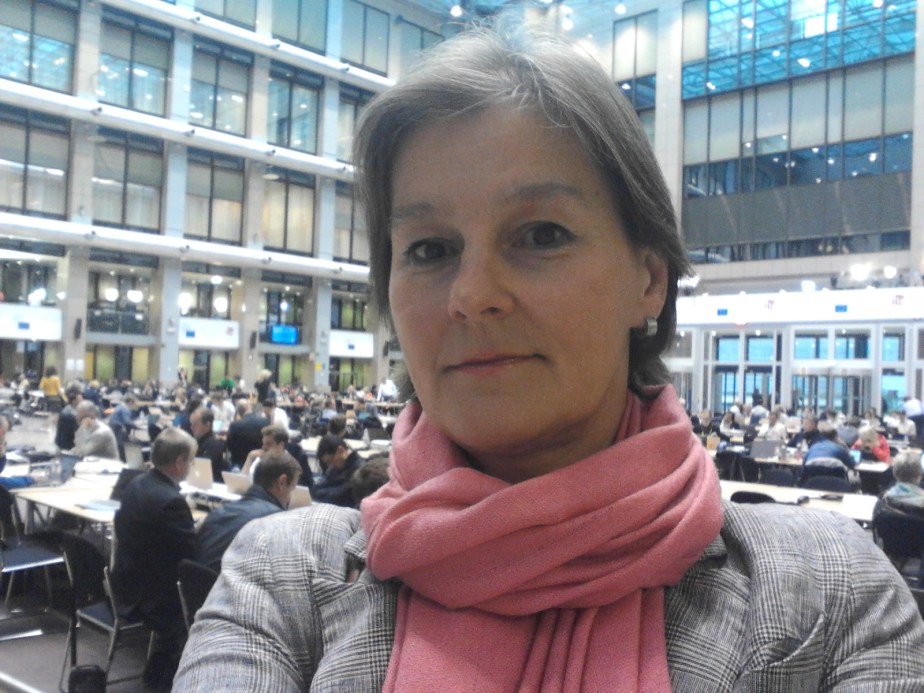 This is my very first post from the Justus Lips building in Brussels during the European Council reporting Greece crisis, one to be followed by many others, the point of non-return of decline of the #EU.
 Anna Van Densky blog